SK Hynix Hits 25-Year Stock Peak as Samsung Rallies on OpenAI Partnership

SK Hynix Hits 25-Year Stock Peak as Samsung Rallies on OpenAI Partnership
By
Calder Monroe
Last updated:
October 2, 2025
First Published:
October 2, 2025

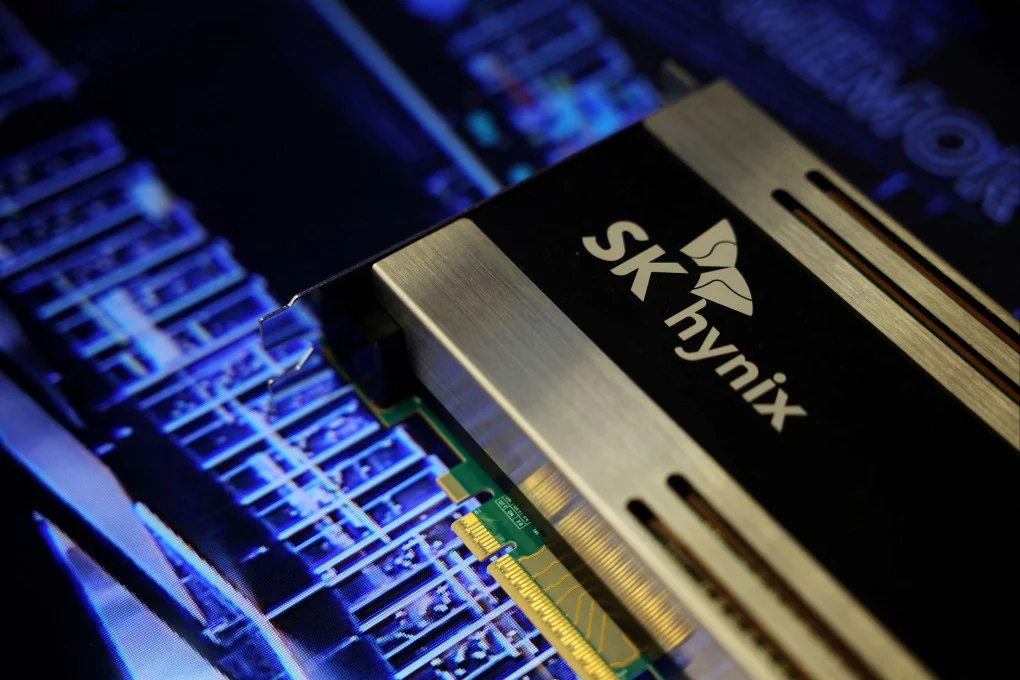
Photo: South China Morning Post
Chip Stocks Surge on OpenAI Deal
South Korea’s semiconductor powerhouses, SK Hynix and Samsung Electronics, saw their shares soar to multi-year highs after announcing a strategic partnership with OpenAI. The deal, part of OpenAI’s ambitious “Stargate” initiative, centers on scaling advanced memory chip production and expanding next-generation AI data centers in South Korea.
SK Hynix stock jumped more than 9% on Thursday, reaching its highest level since 2000 — marking a 25-year peak. Samsung also saw a strong rally, with shares climbing over 4% to levels not seen since January 2021.
What the Partnership Means
OpenAI confirmed that its collaboration with the two South Korean chip leaders will prioritize increasing the supply of advanced memory chips — especially high-bandwidth memory (HBM) — which are critical for powering large-scale AI models like ChatGPT.
The agreement also includes plans to build out advanced AI data center capacity across South Korea. Discussions involve not just Samsung and SK Hynix, but also the Korean Ministry of Science and ICT, telecom giant SK Telecom, and Samsung subsidiaries.
The announcement followed meetings between OpenAI CEO Sam Altman, South Korean President Lee Jae Myung, and senior executives from both Samsung and SK Hynix in Seoul.
SK Hynix’s AI Momentum
Earlier this month, SK Hynix revealed it is ready for mass production of its next-generation HBM4 chips. These memory chips are expected to be at the core of Nvidia’s Rubin architecture, the next generation of AI accelerators designed for global data centers.
Nvidia, which dominates the global AI chip market, is already a major client of SK Hynix. This strengthens Hynix’s role as a vital player in the AI supply chain. The company’s rapid advancement in HBM technology has also allowed it to narrow the long-standing gap with Samsung in the memory sector.
Samsung’s Position in the Market
Samsung, traditionally the global leader in memory production, has faced challenges in the HBM race. Reports suggest Samsung is currently working to secure Nvidia certification for its own HBM4 chips, which would allow it to compete directly with SK Hynix in supplying chips for AI-driven workloads.
Despite its strong market presence, Samsung’s chip business has been under pressure. In the second quarter, profits from its semiconductor division plunged nearly 94% year over year, missing analyst expectations. Still, Chief Financial Officer Soon-cheol Park expressed optimism, forecasting a rebound in the second half of the year as AI demand drives recovery.
Market Rivalry and Global Implications
According to Counterpoint Research, SK Hynix’s momentum has been so strong that it matched Samsung’s memory revenue in Q2, making the race for global memory leadership tighter than ever. Both companies are now locked in competition to dominate the HBM market — a segment expected to see explosive growth as AI adoption accelerates worldwide.
The stakes are high: demand for AI chips is projected to grow by more than 30% annually over the next five years, fueled by data-hungry AI models and the global expansion of AI-driven data centers. With OpenAI aligning itself with both SK Hynix and Samsung, South Korea’s chipmakers are set to play a defining role in shaping the future of artificial intelligence infrastructure.




Subscribe to unlock premium content
The Rise of Silent Walking Tours in Historic Cities

The Rise of Ultra-Niche Cooking Classes Focused on Historical or Regional Recipes

The Rise of One-Person Dining Experiences for Ultra-Introverts in Major Cities

The Rise of Silent Walking Tours in Historic Cities
The Rise of Ultra-Niche Cooking Classes Focused on Historical or Regional Recipes
The Rise of Silent Walking Tours in Historic Cities