Singapore Inflation Holds at 1.2% as Falling Power Costs Offset Service Price Pressures

Singapore Inflation Holds at 1.2% as Falling Power Costs Offset Service Price Pressures
By
Rachel Steinberg
Last updated:
December 23, 2025
First Published:
December 23, 2025

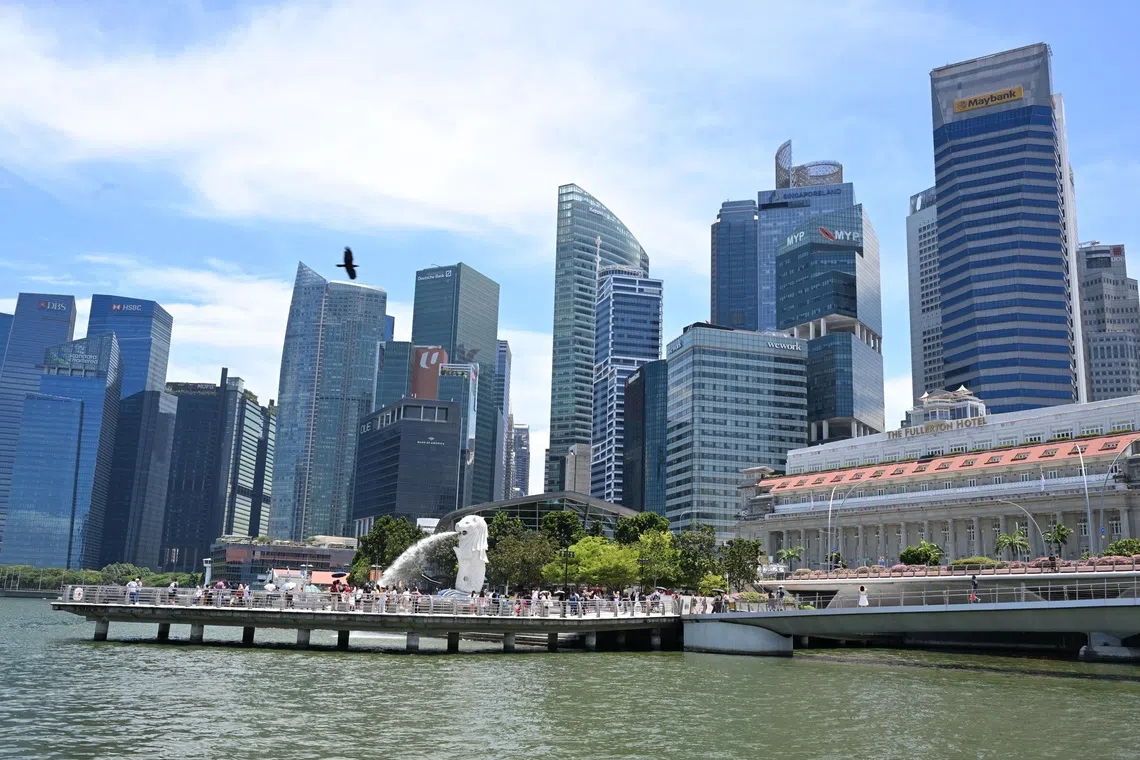
Photo: The Straits Times
Singapore’s consumer inflation remained unchanged at 1.2 percent in November, coming in slightly below market expectations and reinforcing the view that price pressures in the city state remain well contained despite firm economic growth.
The latest reading fell short of the 1.3 percent median forecast from economists, as a sharper decline in electricity prices helped counter rising costs in services such as healthcare, dining, and personal care.
Headline and Core Inflation Miss Expectations
Headline inflation held steady at 1.2 percent year on year, while core inflation which excludes private transport and accommodation also registered 1.2 percent. Economists had expected core prices to rise at a slightly faster pace of 1.3 percent, reflecting ongoing strength in domestic demand.
The moderation in prices was largely driven by lower electricity tariffs, which have been easing in line with global energy prices. At the same time, services inflation continued to edge higher, supported by wage growth and sustained consumer spending, but not enough to push overall inflation above expectations.
Medium Term Inflation Outlook Remains Benign
The Monetary Authority of Singapore has maintained a cautious but optimistic inflation outlook. Core inflation is projected to average around 0.5 percent in 2025, before picking up to a range of 0.5 to 1.5 percent in 2026. Headline inflation is expected to average between 0.5 and 1.0 percent in 2025, and 0.5 to 1.5 percent in 2026.
Policymakers have highlighted that imported inflation pressures have eased significantly, while domestic cost pressures are stabilizing as productivity gains help offset higher wages.
Strong Trade and Growth Data Support the Economy
The inflation data follows a string of stronger than expected economic indicators. Singapore’s non oil domestic exports surged 11.6 percent year on year in November, far exceeding forecasts of a 7 percent increase. The rebound was led by electronics, pharmaceuticals, and precision engineering, underscoring the recovery in global manufacturing demand.
Economic growth has also surprised on the upside. Gross domestic product expanded by 4.2 percent in the third quarter, beating expectations of a 4 percent increase and marking one of the fastest growth rates in the region.
Upgraded GDP Forecasts Reflect Resilience
Reflecting the improved outlook, Singapore’s Ministry of Trade and Industry recently upgraded its full year GDP growth forecast to around 4 percent. For 2026, growth is now expected to come in between 1 and 3 percent, a notable improvement from earlier projections.
Earlier in the year, the ministry had warned that zero growth was a possibility if global conditions deteriorated. Instead, officials now say the global environment has proven more resilient than anticipated, with external demand holding up better than expected through the third quarter.
Monetary Policy Remains Steady
The Monetary Authority of Singapore has kept monetary policy unchanged at its last two policy reviews, following easing moves earlier in the year in January and April. Those adjustments were made amid concerns about slowing global growth and potential tariff related disruptions to trade.
With inflation stable and growth holding firm, analysts expect MAS to maintain its current policy stance in the near term, allowing the economy to continue expanding without adding unnecessary price pressures.
Bigger Picture
November’s inflation figures suggest Singapore has struck a delicate balance between growth and price stability. While services inflation bears watching, falling energy costs and improving supply conditions are helping keep overall inflation subdued, giving policymakers room to stay patient as the global economic cycle continues to evolve.

Popular articles


Subscribe to unlock premium content
The New Wave of Superyacht Ownership

Micro-Experience Convenience Stores Are Reinventing Quick Stops

Custom Vans for Digital Nomads Redefine Mobility

The New Wave of Superyacht Ownership
Micro-Experience Convenience Stores Are Reinventing Quick Stops
The New Wave of Superyacht Ownership