Singapore Inflation Cools as Economic Growth Surges Beyond Expectations

Singapore Inflation Cools as Economic Growth Surges Beyond Expectations
By
Augusta Parker
Last updated:
May 25, 2026
First Published:
May 25, 2026

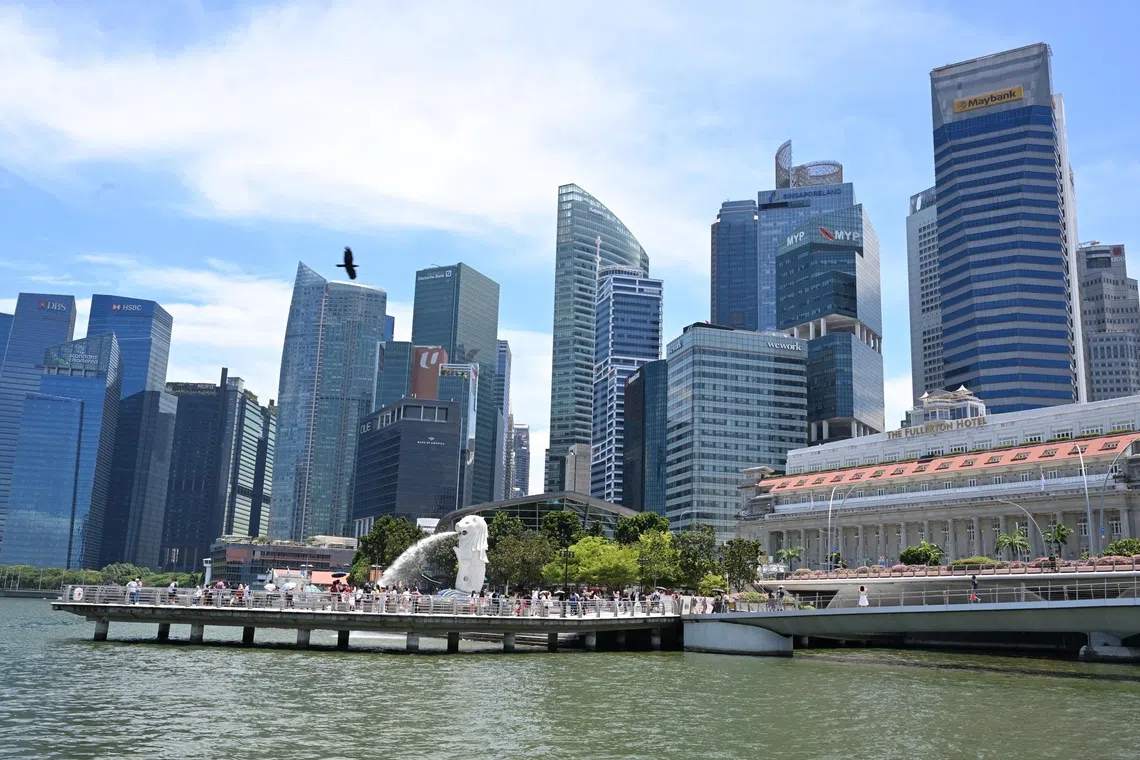
Singapore delivered an economic surprise in April as inflation eased more than analysts had projected, while the country simultaneously posted a much stronger growth performance than expected. The latest figures suggest the economy continues to show resilience even as policymakers monitor growing global risks linked to energy prices and international supply chain pressures.
Lower consumer price growth, particularly in services and retail-related spending, helped ease inflationary pressure across the economy. At the same time, stronger economic output in the first quarter highlighted continued momentum in business activity and trade.
The combination of cooling inflation and accelerating growth presents a unique economic picture for one of Asia’s most closely watched financial hubs.
Inflation Slows More Than Forecasts Predicted
Singapore’s headline inflation rate came in at 1.8% for April, falling below market expectations of 2%. The latest reading signals that price increases across the economy are continuing to moderate after a period of elevated inflation pressures seen globally over recent years.
Core inflation, which excludes accommodation and private transportation costs to provide a clearer picture of underlying price trends, also slowed significantly.
Core inflation reached 1.4%, lower than economists’ expectations of 1.7%.
The softer reading was largely supported by slower increases in:
• Services-related costs
• Retail and consumer spending categories
• Certain imported consumer products
• Everyday household expenditures
Lower inflation is generally viewed positively for consumers because it indicates slower increases in the cost of living while helping preserve purchasing power.
Services and Consumer Sectors Show Signs of Stabilization
The moderation in inflation suggests domestic demand may be entering a more balanced phase after periods of stronger pricing pressure.
Service sectors have played a major role in Singapore's inflation trends over recent years, particularly as travel activity, labor costs, and consumer demand rebounded.
Retail sectors also experienced more moderate price movements during April, reducing pressure on overall inflation numbers.
Analysts say the latest data may indicate that businesses are becoming more cautious about passing costs directly to consumers.
However, authorities emphasized that the current slowdown does not necessarily guarantee a sustained decline in inflation.
Stronger Economic Growth Delivers Major Upside Surprise
Alongside the inflation report, Singapore sharply revised its economic growth figures for the first quarter.
Gross domestic product expanded by 6%, significantly above the earlier estimate of 4.6%.
The upgraded figure also exceeded market forecasts of approximately 5.1%.
The stronger performance reflects better-than-expected activity across several sectors of the economy, including:
• Manufacturing output
• Trade and export activity
• Financial services
• Technology-related industries
• Business and commercial activity
The jump from 4.6% to 6% represents a substantial upward revision and reinforces Singapore’s position as one of Asia’s most dynamic economic centers.
Government Maintains Growth Outlook Despite External Risks
Singapore’s Ministry of Trade and Industry maintained its full-year economic growth projection at between 2% and 4% for 2026.
While growth remains healthy, policymakers warned that global uncertainties continue to pose risks.
One area of concern involves energy supply disruptions linked to geopolitical tensions around the Strait of Hormuz, a critical route for global oil transportation.
Potential disruptions in the region could lead to:
• Higher oil prices
• Increased shipping costs
• Rising production expenses
• Supply chain bottlenecks
• Imported inflation pressures
As a heavily trade-dependent economy that imports much of its energy and goods, Singapore remains particularly sensitive to external cost shocks.
Imported Inflation Risks Could Reappear
The Monetary Authority of Singapore warned that imported inflation pressures may increase in the coming months.
Officials noted that rising global energy costs and broader geopolitical developments could eventually feed into prices paid by consumers and businesses.
As production and transportation costs rise globally, Singapore may experience wider cost pass-through effects across imported products and services.
This could affect a broad range of sectors including:
• Food imports
• Consumer goods
• Transportation services
• Industrial materials
• Business operating expenses
Authorities currently expect both headline and core inflation for the full year to remain within a range of 1.5% to 2.5%.
Singapore’s Unique Monetary Policy Approach
Unlike many central banks around the world, Singapore does not primarily rely on interest rate changes to manage inflation.
Instead, the Monetary Authority of Singapore uses exchange rate policy as its main tool.
The system works by guiding the Singapore dollar against a trade-weighted basket of currencies within an undisclosed policy band.
The approach allows policymakers to influence imported inflation and maintain broader price stability without directly adjusting benchmark borrowing rates.
Earlier this year, the MAS tightened monetary policy for the first time in approximately three years as officials responded to inflation concerns and external economic risks.
A Balancing Act for the Months Ahead
Singapore’s latest data presents a complicated but encouraging economic picture.
Inflation appears to be cooling faster than anticipated, offering relief for consumers and businesses. At the same time, economic growth has accelerated significantly beyond expectations.
Yet policymakers remain cautious.
Global energy prices, geopolitical developments, and supply chain disruptions could quickly alter the current outlook. For now, Singapore appears to be benefiting from strong domestic resilience, but sustaining that momentum may depend heavily on how international conditions evolve over the remainder of the year.
.webp)
Popular articles



Subscribe to unlock premium content
Celebrity-Endorsed High-Altitude Vineyards Transform Luxury Wine Market

Liquid Luxury on Ice

Hollywood’s Forgotten Treasures Become the Ultimate Status Symbol

Celebrity-Endorsed High-Altitude Vineyards Transform Luxury Wine Market
Liquid Luxury on Ice
Celebrity-Endorsed High-Altitude Vineyards Transform Luxury Wine Market