Silver Boom Starts to Crack as Analysts Warn High Prices Are Hurting Demand

Silver Boom Starts to Crack as Analysts Warn High Prices Are Hurting Demand
By
Alina Sinclair
Last updated:
May 28, 2026
First Published:
May 28, 2026

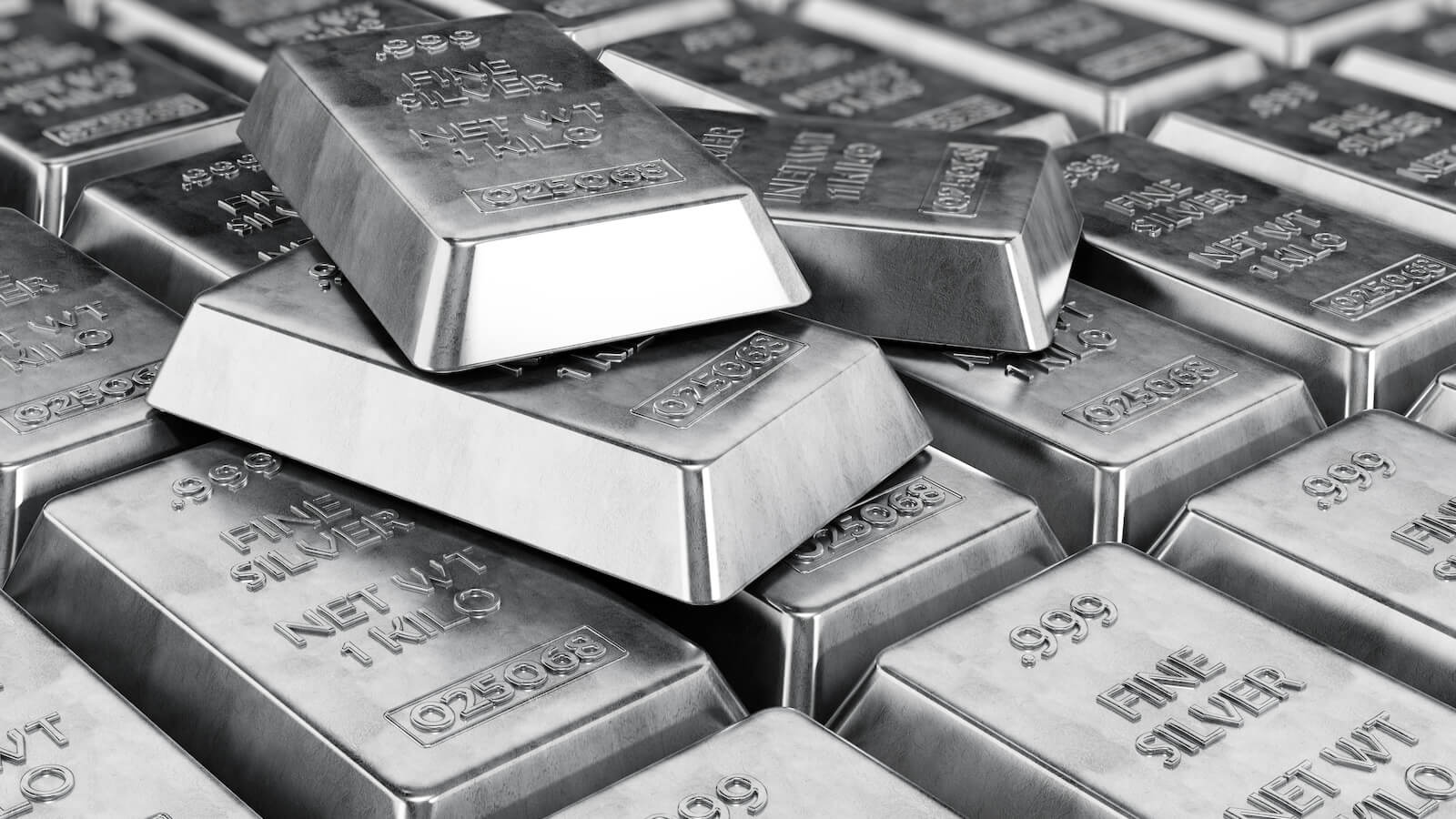
Photo: StockCharts
Silver’s historic rally may be losing momentum as major analysts warn that soaring prices are beginning to damage demand across key industries. After climbing more than 140% in 2025 and briefly surging above $120 per ounce earlier this year, the precious metal is now facing increasing skepticism from banks and commodity strategists who believe the market has become overheated.
Several firms, including UBS, HSBC, and Macquarie, say silver could remain under pressure in the months ahead as manufacturers reduce purchases, investors grow cautious, and global economic risks continue to build.
Unlike gold, which benefits heavily from central bank buying and safe-haven demand, silver is deeply tied to the industrial economy. The metal is used in everything from smartphones and semiconductors to solar panels, electric vehicles, medical devices, batteries, and advanced electronics. That industrial exposure helped fuel silver’s rally during the global clean energy and AI manufacturing boom, but analysts now say it is becoming a major weakness.
UBS warned that silver’s elevated prices are discouraging buyers across multiple sectors. Companies that rely heavily on silver are reportedly cutting back purchases, delaying orders, or searching for cheaper alternatives as production costs rise.
“The demand erosion is likely to persist as long as prices remain at current levels,” UBS analysts said in a recent note.
The bank added that silver lacks the structural support gold enjoys from central bank reserve buying. While governments worldwide continue accumulating gold during periods of economic uncertainty, silver remains largely absent from official reserve portfolios. That leaves the metal more exposed to swings in private investment flows and industrial demand cycles.
Silver’s massive rally reached its peak on January 28, when prices briefly crossed the $120 per ounce mark before suffering a violent selloff that wiped out nearly 30% of its value in a single trading session. The collapse triggered one of the sharpest corrections seen in the precious metals market in recent years.
Although prices later recovered from their March lows of around $67.60 per ounce, the rebound has struggled to regain previous highs. Spot silver climbed back toward $87 per ounce earlier in May before another round of selling pushed prices back into the $75 to $78 range over the past two weeks.
On Thursday, spot silver fell another 3.7% to around $72.13 per ounce, while front-month U.S. silver futures also dropped to roughly the same level.
Analysts say the metal’s extreme volatility is becoming another major concern for investors. UBS believes the current risk-reward setup no longer justifies holding aggressive positions in silver, especially compared to gold, which has shown stronger institutional demand and more stable price action throughout the year.
HSBC has also turned increasingly bearish on the metal. The bank described silver as “fundamentally overvalued” and warned that its performance may soon diverge from gold.
According to HSBC strategists, gold prices could continue receiving support from geopolitical tensions, inflation concerns, and central bank accumulation, while silver may struggle under weakening industrial demand and slowing manufacturing activity. Analysts believe the gold-to-silver ratio could widen significantly in the coming months, allowing gold to outperform even if both metals remain elevated.
The broader macroeconomic environment is also adding pressure to the silver market. Manufacturing activity in several major economies has slowed in recent quarters, while higher financing costs and tighter credit conditions continue to weigh on industrial production globally.
Macquarie analysts believe silver could remain highly volatile throughout the rest of the year, particularly as geopolitical risks in the Middle East continue affecting commodity markets. However, the bank sees limited room for a strong recovery unless economic conditions improve substantially.
Its strategists also warned that future U.S. Federal Reserve interest rate hikes could create additional downside pressure for precious metals. Higher interest rates typically reduce investor appetite for non-yielding assets like silver and gold while increasing the attractiveness of bonds and cash-based investments.
For now, analysts say silver remains caught between two conflicting forces: long-term optimism tied to clean energy and industrial demand, and short-term concerns surrounding valuation, economic weakness, and unstable investor sentiment.
After one of the most dramatic rallies in commodity market history, silver’s next move may depend less on momentum and more on whether real-world demand can keep up with the prices investors were willing to pay.
.webp)
Popular articles



Subscribe to unlock premium content
Gliding Through Ice and Luxury

Frozen Luxury in the World’s Last Frontier

From Passion to Profit: How Celebrity Hobbies Create Billion-Dollar Industries

Gliding Through Ice and Luxury
Frozen Luxury in the World’s Last Frontier
Gliding Through Ice and Luxury