Second New World Screwworm Case Detected in Texas as Canada Tightens Livestock Import Rules

Second New World Screwworm Case Detected in Texas as Canada Tightens Livestock Import Rules
By
David Goldfarb
Last updated:
June 8, 2026
First Published:
June 8, 2026

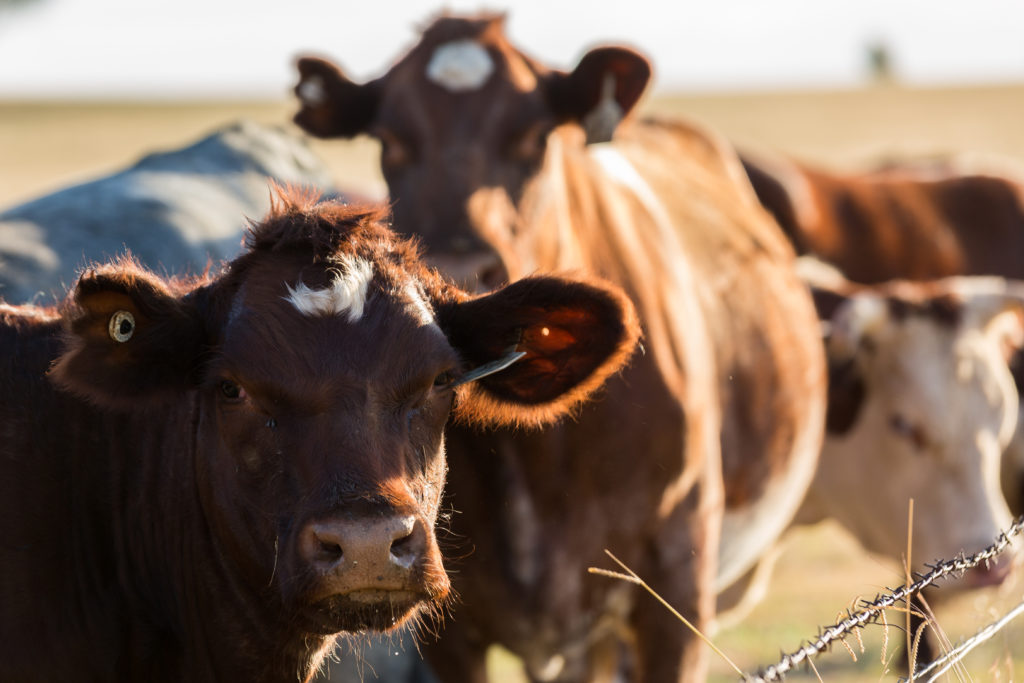
Photo: Hoosier Ag Today
U.S. agriculture authorities have confirmed a second case of the New World screwworm in Texas, prompting heightened surveillance efforts and triggering new livestock import restrictions from Canada as officials work to contain one of the livestock industry's most feared parasites.
The latest detection comes just weeks after the first confirmed case was identified in the state, raising concerns across the agricultural sector even as federal officials emphasize that the outbreak remains localized and that the nation's food supply is not at risk.
The discovery has renewed focus on biosecurity measures, livestock monitoring, and international efforts to prevent the re-establishment of a parasite that the United States successfully eradicated decades ago through one of the largest pest-control campaigns in agricultural history.
Second Case Found in South Texas
According to the U.S. Department of Agriculture's Animal and Plant Health Inspection Service (APHIS), the newest case was detected in a one-month-old calf in Zavala County, Texas.
The infected animal was located approximately 5.6 miles from the site of the first confirmed case reported earlier this month, suggesting the two detections may be connected within the same geographic area.
Federal officials said additional samples collected from nearby livestock and surrounding locations have tested negative so far, providing some reassurance that the parasite has not spread widely beyond the existing containment zone.
The new case falls within an area already subject to movement restrictions and active monitoring protocols established after the initial detection.
Authorities continue to conduct extensive field surveillance to identify any additional infestations before they can expand.
What Is the New World Screwworm?
The New World screwworm is considered one of the most destructive livestock parasites in the Western Hemisphere.
Unlike common fly larvae that feed on dead tissue, screwworm larvae attack living flesh. Adult female flies lay eggs in open wounds, cuts, surgical sites, or other vulnerable areas on warm-blooded animals.
Once hatched, the larvae burrow into healthy tissue and begin feeding, creating increasingly severe wounds that can rapidly worsen if left untreated.
Infested animals often suffer intense pain, infections, reduced mobility, weight loss, and significant stress. In severe cases, untreated infestations can become fatal.
The parasite can affect cattle, horses, sheep, goats, deer, wildlife species, household pets, and, in rare circumstances, humans.
Because of its ability to spread quickly and cause substantial economic damage, the screwworm is regarded as a major threat to livestock production worldwide.
Canada Responds With Import Restrictions
The latest discovery has already led to international trade and animal movement consequences.
The Canadian Food Inspection Agency announced temporary restrictions on livestock imports from affected areas of the United States.
Under the new measures, livestock originating from or present in Texas within 21 days before crossing the border will not be eligible for entry into Canada.
The restrictions apply to a range of animals, including cattle, horses, and other livestock species that could potentially carry the parasite.
Canadian officials described the action as a precautionary measure designed to protect the country's livestock industry and prevent accidental introduction of the pest.
Cross-border livestock trade between the United States and Canada represents billions of dollars annually, making disease and pest prevention a critical priority for both countries.
USDA Ramps Up Containment Strategy
Federal officials have emphasized that the second detection occurred inside an existing control zone and does not represent an unexpected expansion of the outbreak.
The USDA has already activated a series of response measures designed to stop the parasite from becoming established.
Among the most important tools being deployed is the sterile insect technique, a method widely credited with eliminating the screwworm from the United States in the past.
The strategy involves breeding large numbers of sterile male screwworm flies and releasing them into affected regions. When sterile males mate with wild females, no offspring are produced, gradually reducing and ultimately eliminating the pest population.
The approach has been successfully used for decades and remains one of the most effective biological pest-control programs ever implemented.
Federal and state authorities are also conducting enhanced surveillance, movement controls, livestock inspections, and public awareness campaigns aimed at early detection.
Why Ranchers Are Being Urged to Stay Alert
Agricultural organizations across Texas are encouraging livestock owners to closely monitor their animals for signs of infestation.
Experts stress that rapid reporting is critical to successful eradication.
Early symptoms may include unusual wounds that fail to heal, visible larvae within affected tissue, irritation around injuries, and changes in animal behavior caused by discomfort.
Because screwworm larvae feed on living tissue, infestations can worsen rapidly if not identified and treated promptly.
Ranchers, veterinarians, wildlife officials, and animal owners are being asked to report suspicious cases immediately so response teams can investigate and contain any new outbreaks.
Industry groups note that early detection dramatically improves the chances of preventing broader spread.
Food Supply Remains Safe, Officials Say
Despite concerns within the livestock industry, federal officials continue to emphasize that the parasite poses no threat to the U.S. food supply.
According to the USDA, New World screwworms do not infest meat products, fruits, vegetables, or processed food items.
Animals showing signs of infestation would be identified during veterinary inspections and food-safety screening processes before entering commercial supply chains.
As a result, regulators say consumers do not face any risk from purchasing beef, dairy products, or other food items associated with livestock production.
The agency has reiterated that existing food-safety systems remain effective and that no contaminated products are permitted to enter commerce.
Economic Risks Extend Beyond Agriculture
Although the immediate focus is on animal health, experts note that a larger outbreak could have significant economic implications.
The United States maintains one of the world's largest livestock industries, with cattle inventories alone numbering tens of millions of animals.
A widespread screwworm infestation could lead to higher veterinary costs, increased treatment expenses, productivity losses, trade restrictions, transportation disruptions, and reduced profitability for ranchers and producers.
Wildlife populations could also be affected, creating broader ecological concerns.
This is why agricultural authorities are moving aggressively to contain even a small number of confirmed cases before they have an opportunity to spread.
Lessons From Past Eradication Success
The United States has successfully defeated the New World screwworm before.
Beginning in the mid-20th century, federal authorities launched a massive eradication campaign that eventually pushed the parasite out of the country through coordinated surveillance, sterile insect releases, and international cooperation.
The program became one of the most celebrated achievements in agricultural pest management, saving the livestock industry billions of dollars in potential losses.
Officials believe the same tools and strategies can once again prevent the parasite from gaining a foothold.
However, experts caution that success depends on rapid response, strong cooperation among agencies, and continued vigilance from livestock owners.
Outlook
The confirmation of a second New World screwworm case in Texas highlights the ongoing challenges facing agricultural biosecurity in an increasingly interconnected world.
While the outbreak remains limited to a small area of South Texas, authorities are taking no chances. Enhanced monitoring, sterile insect releases, movement restrictions, and international cooperation are all being deployed to prevent further spread.
For now, officials maintain that the U.S. food supply remains secure and that the parasite has been detected within an already controlled zone.
The coming weeks will be critical as surveillance teams continue testing animals in the surrounding region. If no additional cases emerge, experts believe the outbreak can likely be contained before it develops into a larger threat to North America's livestock industry.
The situation serves as a reminder that even decades after successful eradication, maintaining strong agricultural defenses remains essential to protecting food production, trade, and animal health.
.webp)
Popular articles



Subscribe to unlock premium content
Zara’s Hyper-Fast Fashion Supply Chain Is Changing Global Retail

A Taste of Italy Redefined

Boutique Eco-Lodges in Costa Rica Redefining Ultra-Luxury Travel

Zara’s Hyper-Fast Fashion Supply Chain Is Changing Global Retail
A Taste of Italy Redefined
Zara’s Hyper-Fast Fashion Supply Chain Is Changing Global Retail
.png)