SEC and Elon Musk Move to Resolve Twitter Deal Dispute with $1.5 Million Settlement

SEC and Elon Musk Move to Resolve Twitter Deal Dispute with $1.5 Million Settlement
By
Augusta Parker
Last updated:
May 5, 2026
First Published:
May 5, 2026

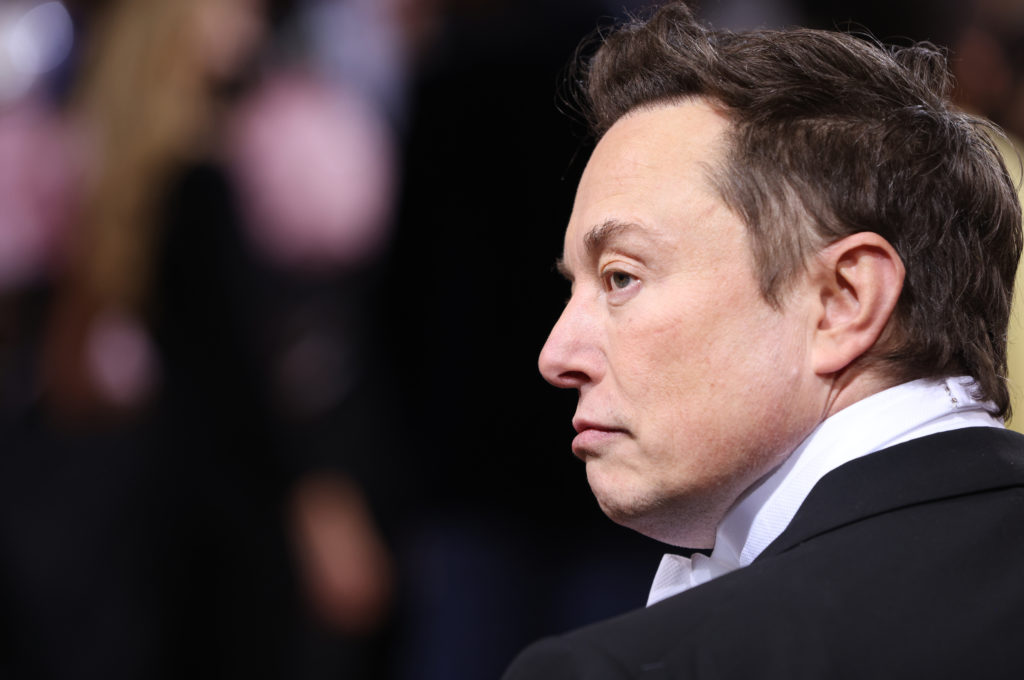
Photo: PBS
U.S. Securities and Exchange Commission and billionaire entrepreneur Elon Musk have reached a settlement in a high-profile legal dispute tied to Musk’s 2022 acquisition of Twitter, bringing a key regulatory battle closer to resolution.
The agreement, which still requires court approval, centers on allegations that Musk violated securities laws by failing to disclose his growing stake in Twitter within the required timeframe. As part of the deal, a trust associated with Musk has agreed to pay a $1.5 million civil penalty.
The Core of the Dispute
The case stems from Musk’s accumulation of more than a 5% ownership stake in Twitter prior to his $44 billion leveraged buyout of the company in late 2022. Under U.S. securities law, investors crossing that threshold must publicly disclose their holdings within 10 calendar days.
Regulators alleged that Musk missed this deadline, allowing him to continue purchasing shares at lower prices before the market became aware of his significant position. According to the SEC, this delay may have disadvantaged other investors by enabling acquisitions at what it described as “artificially low prices.”
Settlement Details and Legal Positioning
Court filings indicate that both parties have agreed to resolve the matter without prolonged litigation. Musk’s legal team characterized the outcome as minor, emphasizing that the penalty relates to a single delayed filing rather than broader misconduct.
The $1.5 million fine is relatively small compared to the scale of the transaction and Musk’s overall wealth, which is estimated at around $790 billion. However, the case underscores the importance of disclosure compliance in financial markets, particularly for high-profile investors.
A Deal That Reshaped Social Media
Musk’s acquisition of Twitter in 2022 was one of the most closely watched deals in recent corporate history. After completing the purchase, he rebranded the platform as X and later integrated it with his artificial intelligence venture xAI, as well as aligning it more closely with SpaceX.
The deal fundamentally transformed the company’s direction, shifting its focus toward a broader vision that combines social media, payments, and AI-driven services.
Broader Legal and Regulatory Context
This settlement is not Musk’s first encounter with regulators. In 2018, he reached a separate agreement with the SEC related to statements about taking Tesla private. That case resulted in $20 million fines for both Musk and Tesla, along with governance changes that temporarily required Musk to step down as chairman.
The relationship between Musk and the SEC has remained tense since then, with the entrepreneur frequently criticizing the regulator’s approach.
Ongoing Legal Challenges
Beyond this settlement, Musk continues to face legal scrutiny on multiple fronts. In a separate class action case, a federal jury recently found that he had misled Twitter investors during the acquisition process, a verdict his legal team is currently appealing.
At the same time, Musk is involved in a high-stakes legal battle with Sam Altman over the direction and governance of OpenAI. The dispute, which centers on claims about the organization’s original nonprofit mission, is unfolding in a U.S. federal court.
Market and Investor Implications
While the financial penalty in this case is relatively modest, the broader implications are significant. The settlement reinforces regulatory expectations around transparency and timely disclosure, particularly in large-scale acquisitions that can influence market pricing.
For investors, the case serves as a reminder of how information asymmetry can impact trading dynamics, especially when high-profile figures are involved.
Bottom Line
The agreement between the SEC and Elon Musk brings closure to one aspect of the legal fallout from the Twitter acquisition, but it also highlights ongoing tensions between regulators and influential market participants. As Musk continues to expand his footprint across technology, AI, and social media, regulatory scrutiny is likely to remain a constant factor shaping his business moves and the broader market landscape.
.webp)
Popular articles



Subscribe to unlock premium content
From Forest Floors to Global Markets The Rise of Luxury Mushroom Cultivation in Europe

Frozen Frontiers of Innovation Private Investment and Climate Tech in Antarctica

Corporate Castles in Central Europe

From Forest Floors to Global Markets The Rise of Luxury Mushroom Cultivation in Europe
Frozen Frontiers of Innovation Private Investment and Climate Tech in Antarctica
From Forest Floors to Global Markets The Rise of Luxury Mushroom Cultivation in Europe