Samsung Shares Rebound After $66 Billion Selloff as South Korea Moves to Prevent Major Worker Strike

Samsung Shares Rebound After $66 Billion Selloff as South Korea Moves to Prevent Major Worker Strike
By
Augusta Parker
Last updated:
May 13, 2026
First Published:
May 13, 2026

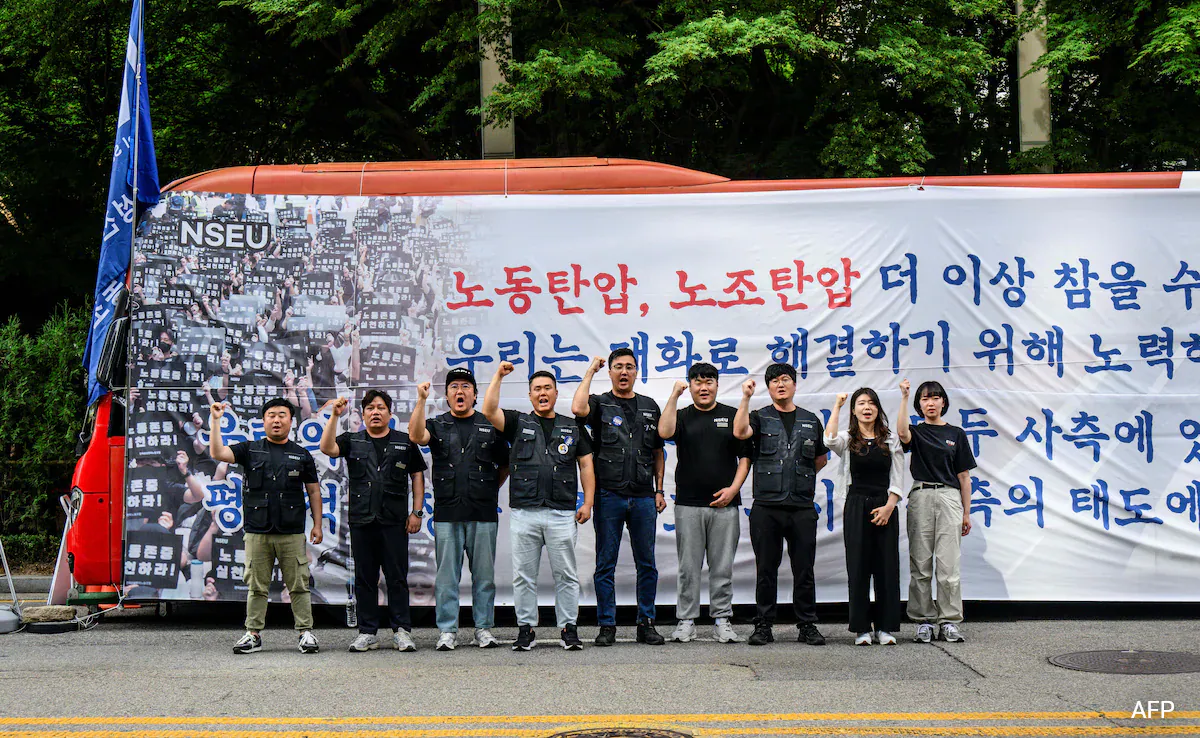
Shares of Samsung Electronics staged a dramatic recovery after suffering one of their steepest intraday declines in recent years, as South Korean government officials stepped in to calm fears surrounding a potential large-scale worker strike.
The technology giant temporarily lost more than 99 trillion won, or roughly $66 billion, in market value on Wednesday after wage negotiations between management and labor unions collapsed. Investors reacted sharply to the possibility of an extended strike that could disrupt semiconductor production at one of the world’s most important chipmakers.
At its lowest point during trading, Samsung’s stock price had fallen more than 6%, wiping out billions in shareholder value within hours before reversing course later in the session.
Failed Wage Talks Spark Investor Panic
The market turmoil began after Samsung failed to reach an agreement with its labor union over compensation and bonus structures. The union warned that more than 41,000 workers could participate in an 18-day strike beginning May 21 if negotiations remain unresolved.
The dispute centers primarily around Samsung’s performance-based bonus system, which has become a growing point of frustration among employees following the company’s massive rebound in semiconductor earnings.
Union representatives are demanding that Samsung allocate 15% of operating profit toward employee bonuses, remove payout caps, and formalize a more transparent compensation framework for workers.
Samsung management reportedly countered with a proposal to distribute 10% of operating profits as bonuses along with a one-time compensation package, but talks failed to produce a final agreement.
Union official Choi Seung-ho expressed disappointment after the negotiations, saying key employee concerns had not been adequately addressed during discussions.
Strike Threat Raises Fears of Semiconductor Disruption
The possibility of a prolonged walkout immediately raised concerns across global technology and semiconductor markets, particularly because Samsung remains one of the world’s largest memory chip and foundry manufacturers.
According to union estimates, a previous worker rally held on April 23 involving around 40,000 employees caused foundry production to drop by 58% and memory chip output to fall by 18% during the day of the protest.
The union warned that a full-scale 18-day strike could potentially cost Samsung nearly 30 trillion won, or approximately $20 billion, in lost production and operational disruption.
The threat arrives at a highly sensitive moment for the semiconductor industry, which is already navigating supply chain adjustments, rising geopolitical tensions, and increasing competition in artificial intelligence chips.
Analysts say even temporary disruptions at Samsung could impact global memory chip prices, smartphone manufacturing timelines, and supply contracts with major technology companies worldwide.
South Korean Government Moves Quickly to Calm Markets
As Samsung shares continued sliding, South Korean officials intervened publicly in an attempt to restore confidence and encourage both sides to return to negotiations.
Finance Minister Koo Yun Cheol issued a strongly worded statement expressing regret over the breakdown in talks and emphasizing the broader economic importance of Samsung Electronics to South Korea.
He warned that a strike should be avoided under all circumstances, adding that the company’s stability carries major implications for the national economy and international investor sentiment.
Shortly afterward, Prime Minister Kim Min Seok instructed government agencies to monitor the situation closely and provide active support to prevent disruptions.
The intervention helped calm financial markets, with Samsung shares eventually reversing losses and turning positive later in the trading session.
Investors appeared reassured that the South Korean government would likely play an active role in preventing a prolonged labor dispute at one of the country’s most strategically important corporations.
Samsung’s Financial Recovery Adds Pressure to Negotiations
The labor conflict comes despite Samsung recently reporting a powerful rebound in profitability, fueled largely by recovering semiconductor demand and explosive growth tied to artificial intelligence infrastructure.
Earlier this year, Samsung announced first-quarter operating profits of 57.2 trillion won, representing a staggering 750% increase compared with the same period last year.
The surge was driven primarily by stronger demand for high-bandwidth memory chips, data center components, and AI-related semiconductor products as global technology companies continue investing heavily in artificial intelligence systems.
This dramatic recovery in earnings has strengthened the union’s argument that employees should receive larger performance-based bonuses after helping the company navigate a difficult downturn in the semiconductor cycle over the past two years.
Industry analysts say worker expectations have risen sharply as Samsung returns to strong profitability, especially while rival chipmakers across Asia and the United States increase compensation packages to retain skilled semiconductor talent.
Why the Situation Matters to Global Markets
Samsung Electronics is not only South Korea’s largest company but also one of the most influential firms in the global technology sector. The company plays a critical role in producing memory chips, smartphones, consumer electronics, and semiconductor components used across industries worldwide.
Any major disruption to Samsung’s operations could ripple through global supply chains, particularly at a time when AI demand is placing enormous pressure on semiconductor production capacity.
Investors are closely watching how the company handles negotiations with labor unions because the outcome may influence broader labor relations across South Korea’s technology and manufacturing sectors.
The situation also highlights a growing trend in Asia’s technology industry, where workers are increasingly demanding a larger share of profits as semiconductor and AI-related businesses experience record earnings growth.
For now, markets appear cautiously optimistic that government pressure and renewed negotiations could help Samsung avoid a prolonged strike. However, uncertainty remains high as both labor representatives and management continue discussions ahead of the planned walkout date.
.webp)
Popular articles



Subscribe to unlock premium content
Living History Like Never Before

Capturing the Night Like Never Before

Transforming Small Spaces Into Personal Sanctuaries

Living History Like Never Before
Capturing the Night Like Never Before
Living History Like Never Before