Sam’s Club Raises Membership Fees as Demand for Value Shopping Grows

Sam’s Club Raises Membership Fees as Demand for Value Shopping Grows
By
David Goldfarb
Last updated:
April 2, 2026
First Published:
April 2, 2026


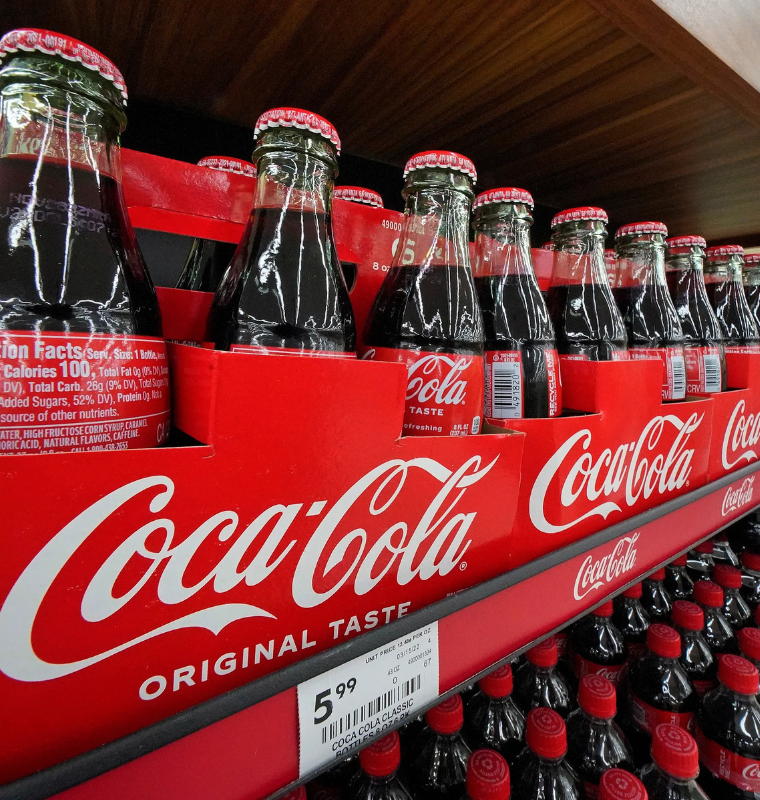
Photo: NBC News
Walmart-owned Sam’s Club is increasing its annual membership fees, marking another strategic move in the intensifying competition among warehouse retailers. Starting May 1, the company will raise its base membership price by $10, bringing the standard plan to $60 per year, while its premium “Plus” tier will rise to $120 annually.
This adjustment comes as the retailer continues to scale its business, invest in digital capabilities, and respond to shifting consumer behavior driven by inflation and rising everyday costs.
Pricing Strategy Reflects Competitive Positioning
Despite the increase, Sam’s Club remains strategically priced within the warehouse retail segment. Its new pricing aligns closely with BJ’s Wholesale Club while still undercutting industry leader Costco, which charges $65 for basic membership and $130 for its premium tier.
The company last adjusted its fees in late 2022, and the latest increase reflects both inflationary pressures and the growing value proposition it offers to members. Executives emphasize that the pricing update supports enhancements in product assortment, store experience, and convenience services such as curbside pickup and same-day delivery.
Strong Growth Supports Fee Increase
The decision comes at a time of solid business performance. Sam’s Club generated approximately $93 billion in U.S. net sales over the past fiscal year, representing a 3.1% increase year over year. Growth has been particularly strong in its digital segment, where e-commerce sales surged 23% during the holiday quarter.
Customer engagement is also rising. Transactions increased by over 5% in the same period, while both in-store and online traffic showed consistent growth. The company has also reported record-high membership levels, with industry estimates suggesting a base exceeding 30 million members.
A significant portion of these members are enrolled in the higher-tier “Plus” program, which offers added benefits such as cashback rewards, early shopping hours, and enhanced delivery options.
Membership Fees Drive Profitability
Membership income remains a critical revenue stream for warehouse retailers, often delivering higher margins than product sales. Analysts estimate that the latest fee increase could generate more than $200 million in additional annual subscription revenue for parent company Walmart.
This could translate into a modest but meaningful boost to earnings per share, reinforcing the importance of membership pricing as a lever for profitability.
To further enhance value, Sam’s Club is increasing the maximum annual cashback limit for Plus members from $500 to $750 in “Sam’s Cash” rewards. This move is designed to justify the higher price point while encouraging greater spending within its ecosystem.
Fuel Prices Reinforce Warehouse Club Appeal
The timing of the price hike coincides with a surge in fuel costs, driven by geopolitical tensions linked to the Iran conflict. Average gasoline prices in the U.S. have climbed above $4 per gallon, reaching levels not seen since 2022.
This has amplified one of the core advantages of warehouse memberships: discounted fuel. For many consumers, savings at the pump alone can offset the cost of membership, making warehouse clubs increasingly attractive during periods of economic pressure.
As inflation continues to impact household budgets, consumers are gravitating toward bulk purchasing and value-driven retail models. Warehouse clubs, with their combination of lower per-unit pricing and membership perks, are well positioned to capture this demand.
A Broader Shift in Retail Dynamics
The membership fee increase reflects a broader trend across the retail industry, where companies are focusing on loyalty ecosystems and recurring revenue streams. Subscription-based models not only provide predictable income but also deepen customer engagement and lifetime value.
For Sam’s Club, the challenge will be maintaining growth momentum while ensuring that members perceive sufficient value to justify higher fees. Early indicators suggest that strong digital adoption, improved services, and competitive pricing will play a key role in sustaining that balance.
As competition intensifies and consumer expectations evolve, warehouse retailers are increasingly relying on a mix of pricing strategy, operational efficiency, and value-added services to differentiate themselves in a crowded market.
.webp)
Popular articles



Subscribe to unlock premium content
LEGO Boutique Flagship Stores Are Redefining Global Play

How Boutique Safari Camps in Kenya Are Creating Premium Eco Experiences

Discovering Southeast Asia’s Private Culinary Travel Boom

LEGO Boutique Flagship Stores Are Redefining Global Play
How Boutique Safari Camps in Kenya Are Creating Premium Eco Experiences
LEGO Boutique Flagship Stores Are Redefining Global Play