Ro Khanna’s Wealth Tax Embrace Triggers Silicon Valley Revolt
By
Leah Rosenfeld
Last updated:
December 30, 2025
First Published:
December 30, 2025

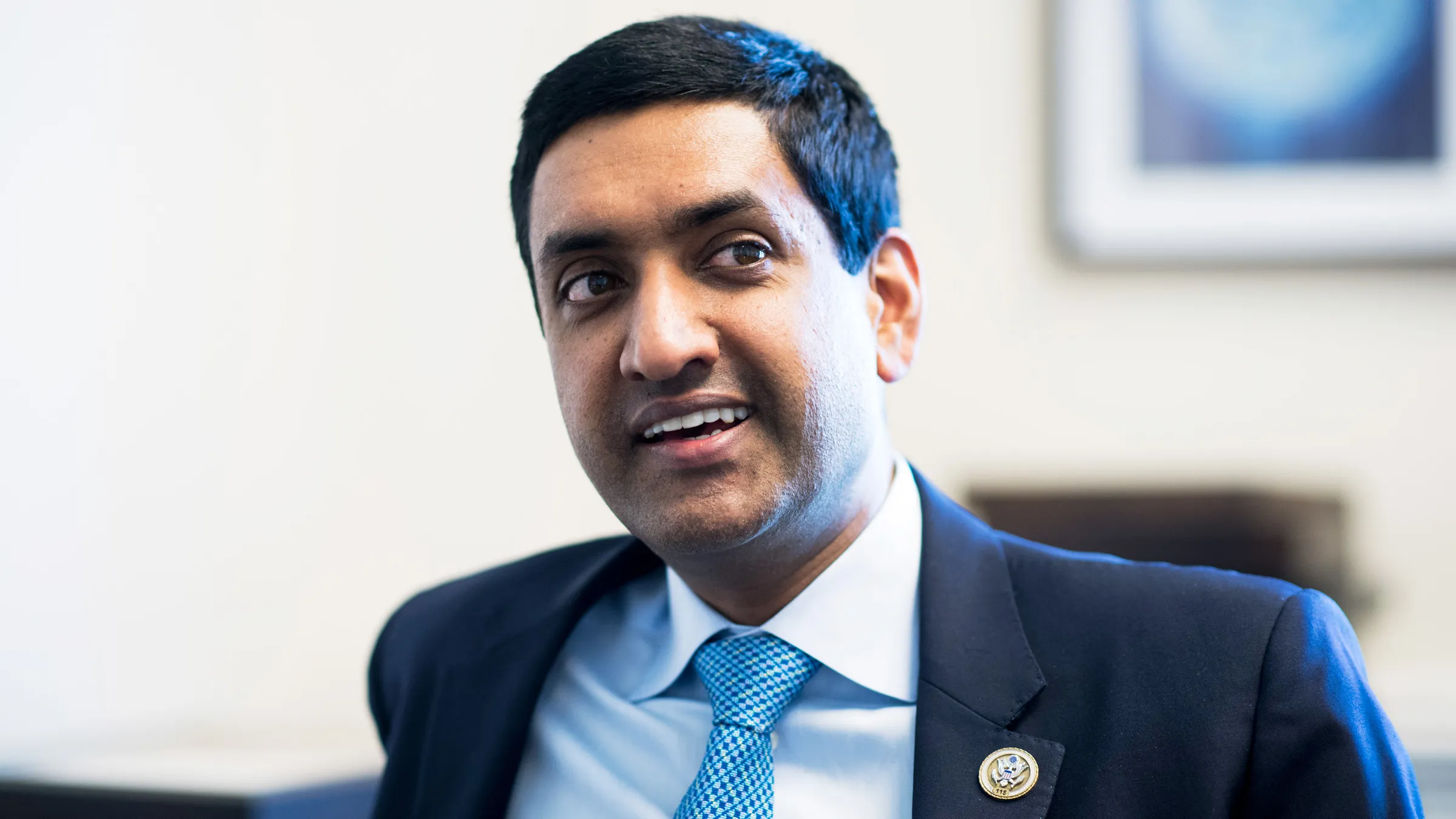
Photo: WIRED
A Political Alliance Under Strain
Rep. Ro Khanna, a Democrat who represents the heart of Silicon Valley, is facing an unusually public backlash from the tech industry after throwing his support behind a proposed wealth tax targeting California billionaires. Once viewed as a reliable ally of founders and venture capitalists, Khanna now finds himself at odds with many of the same executives and investors who helped fuel his rise.
The controversy centers on a ballot initiative being pushed by labor unions that would impose a one-time tax on the wealth of California’s richest residents. The proposal has exposed deep divisions within the Democratic Party and reignited a long-simmering debate over how far states should go in taxing extreme wealth.
The Billionaire Tax Proposal
The measure, known as the 2026 Billionaire Tax Act, is being advanced by the Service Employees International Union–United Healthcare Workers West. If it qualifies for the November ballot and is approved by voters, the initiative would impose a 5% tax on the assets of California residents with net worths exceeding $1 billion.
Supporters say the tax is designed to help close a looming multibillion-dollar shortfall in California’s health-care system, which serves tens of millions of residents. The tax would apply retroactively to January 1, 2026, and could raise several billion dollars, depending on how many billionaires remain domiciled in the state.
California is currently home to more than 180 billionaires, according to recent wealth rankings, many of whom are concentrated in the technology sector. Even a modest reduction in that population could have meaningful implications for the state’s tax base and startup ecosystem.
Tech Industry Pushback Intensifies
Reaction from Silicon Valley has been swift and, in some cases, personal. Khanna’s comments dismissing threats of billionaire flight—invoking Franklin D. Roosevelt’s famous response to wealthy critics—sparked outrage among prominent investors and founders.
Several tech leaders openly called for Khanna to face a primary challenge. Venture capitalists affiliated with Andreessen Horowitz and Y Combinator, two of the most influential institutions in startup financing, criticized the congressman online. That criticism carried added weight given that individuals connected to both firms rank among Khanna’s largest campaign donors.
The core concern among tech executives is that the tax would apply to unrealized gains. Many startup founders hold most of their wealth in private company stock that cannot easily be sold. A tax based on paper valuations, critics argue, could force founders to sell shares prematurely, borrow heavily, or relocate to avoid the levy altogether.
The Unrealized Gains Debate
Opponents say taxing unrealized gains would mark a sharp departure from long-standing tax norms and could discourage entrepreneurship in one of the world’s most important innovation hubs. They warn that early-stage founders whose companies are valued at more than $1 billion—but generate little or no profit—could face multimillion-dollar tax bills without access to liquidity.
Even investors who acknowledge the need to address widening wealth inequality have voiced concerns about this approach. Some have argued that reforms should focus on capital gains at the point of sale rather than asset valuations that can fluctuate sharply year to year.
Khanna’s Defense and Policy Record
Khanna, for his part, has not backed down. He has reiterated his belief that a modest wealth tax would not deter innovation or company formation. In public statements, he has argued that access to talent, capital, and innovation clusters matters far more to entrepreneurs than marginal tax rates on extreme wealth.
His office has emphasized that Khanna remains a strong supporter of technology and entrepreneurship. He was a co-author of the CHIPS and Science Act, which directs tens of billions of dollars toward domestic semiconductor manufacturing and research, a priority for both national security and the tech sector.
Khanna has also suggested that any wealth tax framework should include practical accommodations for founders with illiquid holdings, signaling openness to exemptions or delayed payment mechanisms.
Divisions Within California Politics
Not all Democratic leaders are aligned with Khanna’s stance. California Governor Gavin Newsom has expressed skepticism about state-level billionaire taxes, warning that aggressive policies could push high-net-worth individuals to relocate to other states with more favorable tax environments.
Newsom’s comments reflect broader concerns about interstate competition, particularly as states like Texas and Florida actively court tech executives with lower taxes and lighter regulation.
National Politics and Shifting Tech Loyalties
The dispute comes at a time when political loyalties in Silicon Valley appear increasingly fluid. While the region has long leaned Democratic, Republicans have made visible gains by courting tech leaders frustrated with regulation and tax policy.
This year, several high-profile tech CEOs have visited the White House and accepted advisory roles within the Trump administration, underscoring a pragmatic shift in political engagement driven more by influence and access than party loyalty.
Despite the uproar, Khanna remains electorally secure in the near term. He won reelection in 2024 by more than 30 percentage points, and his deep-blue district is unlikely to swing Republican in 2026. Still, the backlash signals potential long-term consequences for his standing among donors and industry leaders.
A Broader Economic Reckoning
Public opinion remains broadly supportive of higher taxes on the wealthy. National surveys consistently show strong backing for tax increases on high earners, particularly among Democratic voters. At the same time, the mechanics of how such taxes are implemented—especially when tied to unrealized wealth—remain deeply contentious.
As California weighs its next fiscal steps, the fight over the billionaire tax has become a proxy for a larger national debate: how to address historic wealth concentration without undermining the innovation economy that helped create it. For Ro Khanna, that balancing act is now playing out in full view of the industry he once counted as a reliable ally.

Popular articles


Subscribe to unlock premium content
The New Wave of Superyacht Ownership

Micro-Experience Convenience Stores Are Reinventing Quick Stops

Custom Vans for Digital Nomads Redefine Mobility

The New Wave of Superyacht Ownership
Micro-Experience Convenience Stores Are Reinventing Quick Stops
The New Wave of Superyacht Ownership