E-Commerce Stocks Surge After Supreme Court Limits Trump Tariff Powers

E-Commerce Stocks Surge After Supreme Court Limits Trump Tariff Powers
By
Augusta Parker
Last updated:
February 21, 2026
First Published:
February 21, 2026

Market Reaction
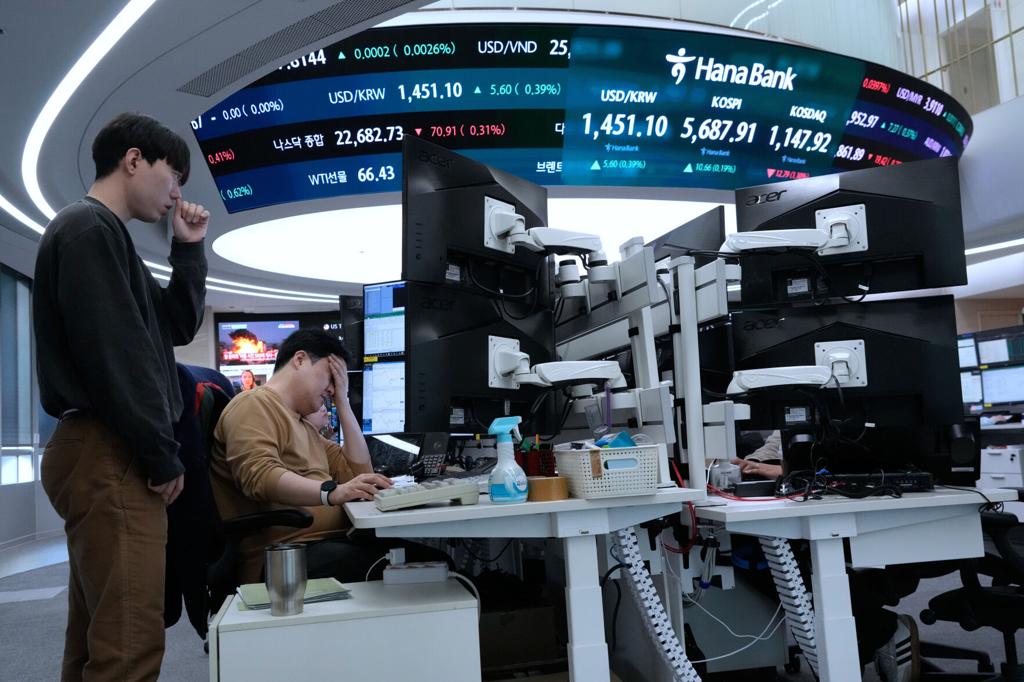
Shares of major online retail platforms climbed sharply after the U.S. Supreme Court struck down a central component of former President Donald Trump’s global tariff framework. Investors responded quickly, pushing several e-commerce names higher as the decision signaled potential relief from years of trade-related cost pressures.
Among the biggest movers:
- Amazon rose roughly 2%
- Etsy surged about 8%
- Shopify gained around 1%
- eBay advanced close to 3%
- Wayfair climbed near 2%
- Pinduoduo, parent of Temu, added roughly 2%
The rally reflected expectations that reduced tariff exposure could improve margins, stabilize pricing strategies, and revive cross-border trade flows that underpin much of the sector’s growth.
The Supreme Court’s Ruling
In a 6–3 decision, the Supreme Court determined that the administration lacked authority to impose sweeping tariffs under the International Economic Powers Act (IEEPA). The statute, typically used for sanctions and emergency economic measures, does not explicitly grant tariff-setting powers, according to the majority opinion.
By invalidating tariffs imposed through this legal pathway, the ruling effectively removes a major layer of trade uncertainty that has hovered over global supply chains since the measures were introduced.
Why Tariffs Hit E-Commerce Hard
Digital marketplaces have been particularly sensitive to tariffs because their ecosystems rely heavily on cross-border sourcing and thin operating margins. Over the past few years, companies faced several challenges:
- Higher import costs that squeezed profitability
- Increased retail prices passed on to consumers
- Supply-chain restructuring, including near-shoring and diversified sourcing
- Reduced discretionary spending as shoppers reacted to inflationary pressures
Industry estimates suggest that some large platforms collectively absorbed hundreds of millions of dollars annually in incremental costs tied to tariffs, while smaller merchants often experienced margin compression of 5% to 15% depending on product category.
The De Minimis Rule and Small Sellers
Another flashpoint was the removal of the de minimis exemption, which had allowed low-value shipments to enter the U.S. duty-free. The change disrupted business models for thousands of small merchants selling through platforms like Etsy and Shopify.
The policy also challenged ultra-low-cost marketplaces such as Temu and Shein, which historically relied on direct shipments from China to maintain competitive pricing. Both companies have since expanded U.S. warehousing and local seller networks to adapt to the new trade environment.
For independent sellers, the loss of the exemption meant higher landed costs, longer delivery times, and more complex logistics—factors that dampened growth across several marketplace categories.
Consumer Behavior and Pricing Trends
Tariffs contributed to noticeable shifts in shopping patterns. Retail executives reported:
- Greater demand for budget alternatives and private-label goods
- Increased price sensitivity among middle-income households
- Slower sales of high-ticket discretionary items
Andy Jassy previously noted that tariff-related cost increases had begun “creeping” into product pricing, reinforcing a broader trend toward value-oriented purchasing behavior.
Financial Stakes and Potential Refunds
With the court’s decision, companies may now pursue reimbursement for previously paid tariffs, potentially unlocking billions of dollars in recoverable costs across the corporate sector. For example, Apple has disclosed paying roughly $3.3 billion in tariffs, illustrating the scale of financial exposure large importers faced.
Trade groups, including the National Retail Federation, said the ruling provides clarity that could help businesses plan inventory, pricing, and investment decisions with greater confidence.
Broader Implications for the Sector
The decision is expected to ripple across the retail and logistics landscape in several ways:
- Improved earnings outlooks for cross-border commerce platforms
- Potential downward pressure on certain consumer prices
- Renewed investment in global sourcing strategies
- Stabilization of marketplace seller growth
For investors, the ruling removes a significant policy overhang that had weighed on valuations, particularly for companies heavily dependent on international trade flows.
Outlook
While the legal setback reshapes the tariff landscape, the long-term trajectory for e-commerce will still depend on consumer spending trends, global trade relations, and the pace of supply-chain innovation. Nevertheless, the Supreme Court’s decision marks a turning point that could restore momentum to a sector navigating years of geopolitical and economic headwinds.
.webp)
Popular articles



Subscribe to unlock premium content
Visa and the Invisible Engine Powering Global Digital Money

Disney’s Streaming Empire Built on Regional Storytelling Power

The Slow Revolution of Steel and Memory Across Eastern Europe

Visa and the Invisible Engine Powering Global Digital Money
Disney’s Streaming Empire Built on Regional Storytelling Power
Visa and the Invisible Engine Powering Global Digital Money