Private Credit Stress Is Spilling Into Private Equity and Raising Systemic Risks

Private Credit Stress Is Spilling Into Private Equity and Raising Systemic Risks
By
Augusta Parker
Last updated:
April 20, 2026
First Published:
April 25, 2026

.webp)
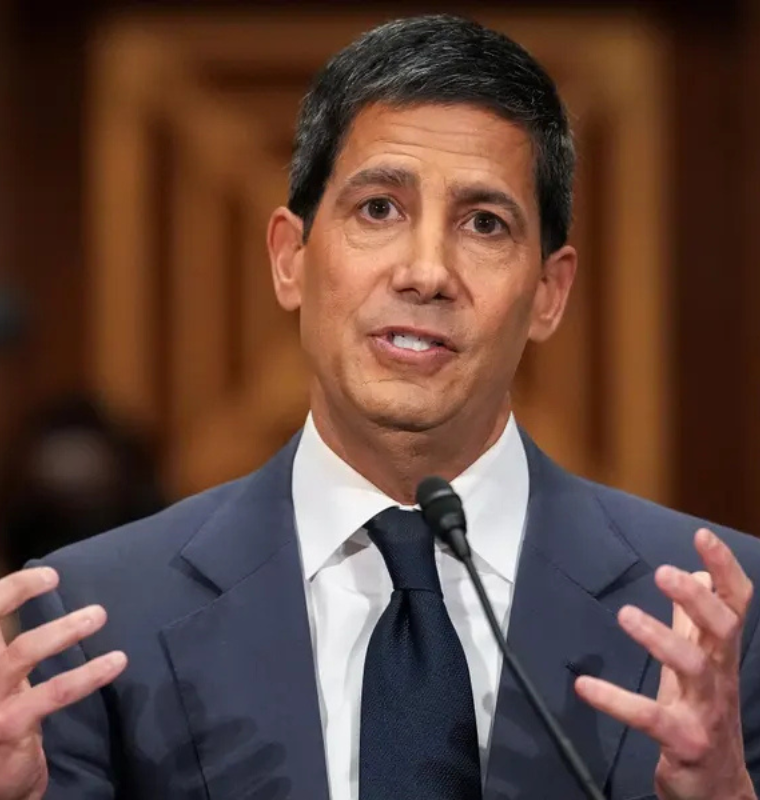
Photo: Bloomberg
Private credit and private equity have operated in close lockstep for more than a decade, but that relationship is now being tested as cracks begin to emerge in the credit cycle. What was once seen as a resilient alternative to traditional bank financing is increasingly showing signs of strain, and the consequences are starting to ripple across private equity portfolios.
The roots of this interdependence trace back to the aftermath of the 2008 financial crisis, when tighter banking regulations forced traditional lenders to scale back riskier corporate lending. Into that gap stepped private credit funds, offering direct loans to companies—often backing leveraged buyouts led by private equity firms. Over time, this relationship became foundational, with estimates suggesting that more than 70% of recent private equity buyouts have been financed through private credit channels.
That growth has been staggering. The global private credit market has expanded from under $500 billion in 2010 to well over $1.7 trillion today, fueled by investor demand for higher yields in a low-interest-rate environment. However, the same factors that accelerated this growth—easy liquidity and aggressive deal-making—are now contributing to mounting risks.
As interest rates have climbed sharply over the past two years, the cost of servicing debt has surged for portfolio companies. Many businesses backed by private equity are now facing significantly higher interest expenses, squeezing cash flows and increasing the likelihood of defaults. Unlike traditional bank loans, which often come with stricter covenants and regulatory oversight, private credit deals tend to be more flexible—but that flexibility can mask underlying financial stress until it becomes more severe.
Refinancing has become a critical pressure point. A substantial portion of private credit loans issued during the low-rate era is set to mature between 2026 and 2028. With borrowing costs still elevated and capital conditions tightening, many companies may struggle to roll over their debt on favorable terms. This creates a scenario where private equity firms could be forced to inject additional capital, restructure deals, or accept lower valuations on their investments.
Valuation uncertainty is another growing concern. Private equity firms typically rely on periodic appraisals rather than daily market pricing, which can delay the recognition of losses. However, stress in private credit markets—such as rising default rates or widening spreads—can act as a leading indicator of deeper problems within private equity portfolios. As loan performance deteriorates, the underlying equity value of these companies is likely to come under pressure.
There are also broader implications for institutional investors. Pension funds, insurance companies, and sovereign wealth funds have significantly increased their exposure to both private equity and private credit in recent years, seeking higher returns in a low-yield environment. This overlapping exposure means that stress in one asset class can amplify losses across portfolios, raising concerns about liquidity and risk concentration.
At the same time, deal activity has slowed noticeably. Higher financing costs and increased uncertainty have led to a decline in leveraged buyouts and exits, making it harder for private equity firms to realize returns. The traditional model—acquire, optimize, and exit at a higher valuation—is becoming more difficult to execute in a tighter financial environment.
Despite these challenges, some industry participants argue that private credit remains more resilient than public markets due to its long-term structure and closer lender-borrower relationships. However, the current environment is a clear test of that assumption. If default rates continue to rise and refinancing conditions remain constrained, the strain on private credit could deepen—and with it, the pressure on private equity.
What is emerging is a more complex and interconnected risk landscape. The very structure that fueled rapid growth in both sectors is now acting as a transmission channel for stress. As private credit tightens, private equity is unlikely to remain insulated, signaling a potentially prolonged period of adjustment for both markets.
.webp)
Popular articles



Subscribe to unlock premium content
Step Into the Future of Art

London’s Gourmet Playgrounds

The New Frontier of Children’s Entertainment

Step Into the Future of Art
London’s Gourmet Playgrounds
Step Into the Future of Art