Orbán Rejects EU Plan to Tap Frozen Russian Assets for Ukraine Aid

Orbán Rejects EU Plan to Tap Frozen Russian Assets for Ukraine Aid
By
David Goldfarb
Last updated:
December 19, 2025
First Published:
December 19, 2025

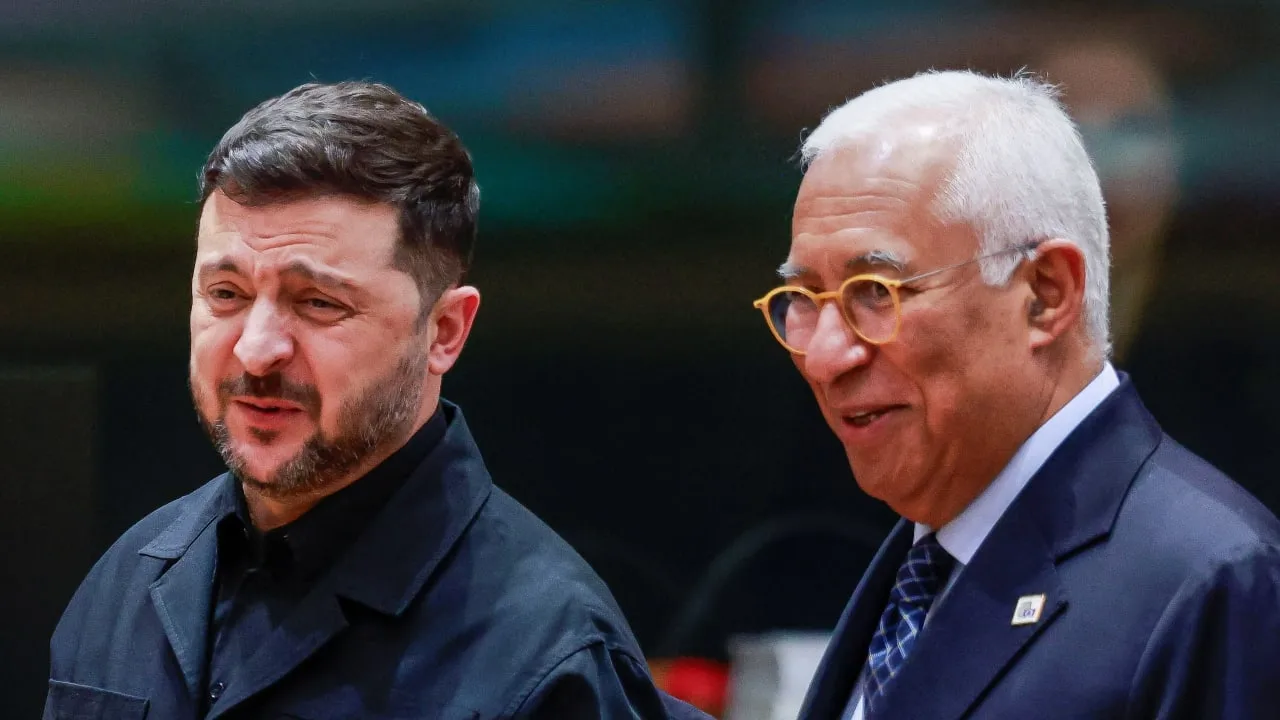
Photo: The Jerusalem Post
Hungarian Prime Minister Viktor Orbán has declared that European proposals to use frozen Russian assets to support Ukraine have effectively collapsed, arguing there is neither the political consensus nor the legal foundation to move forward. Speaking as EU leaders gathered in Brussels, Orbán said the idea of deploying immobilized Russian funds for Ukraine’s reconstruction has reached a dead end.
According to Orbán, opposition from several member states has stripped the plan of momentum. He said there is no longer sufficient backing across the bloc to justify such a significant financial and legal step, despite ongoing pressure to secure new funding streams for Ukraine as the war drags on.
EU divisions over frozen assets
The European Commission has been exploring ways to use Russian sovereign assets and related profits held in Europe to bolster financial support for Kyiv. An estimated hundreds of billions of euros linked to Russia’s central bank remain frozen, with a substantial portion held at Euroclear, the Belgium based financial services firm that clears international securities.
While the proposal has attracted support from some EU capitals, resistance has hardened among others. Hungary has been one of the most vocal opponents, but Belgium’s position has proven pivotal given its jurisdiction over Euroclear. Belgian officials have warned of serious legal exposure, financial instability risks, and potential retaliation if the assets are seized outright or pledged as collateral for large scale loans.
Italy and Bulgaria have also aligned with Belgium’s concerns, reinforcing doubts about whether a unanimous agreement is achievable. Under EU rules, decisions involving the bloc’s budget or extraordinary financial measures require the consent of all 27 member states.
Russia’s response and legal threats
Moscow has consistently condemned the idea of using frozen assets, framing it as an unlawful act that would escalate the conflict rather than bring it closer to resolution. Russian officials have warned that any attempt to repurpose the funds would set a dangerous precedent for the global financial system.
The issue escalated further after Russia’s central bank announced legal action against Euroclear in a Moscow court, seeking compensation for losses linked to the freezing of its assets. The move has amplified fears among European policymakers that pushing ahead could expose financial institutions to years of litigation and undermine confidence in Europe as a safe place to hold sovereign reserves.
Funding pressure on Ukraine
The debate comes at a critical moment for Ukraine’s finances. European lawmakers have warned that without additional EU and international support, Kyiv could face a serious funding shortfall as early as 2026. The European Parliament has already noted that Hungary blocked one option to use spare capacity in the EU budget to increase aid, narrowing the range of viable alternatives.
If both of the Commission’s proposed funding routes are blocked, officials have floated the idea of a smaller group of countries moving ahead outside the full EU framework. Such a “coalition of the willing” could provide assistance without unanimous approval, though this approach would carry political and operational complications.
Orbán’s stance and broader peace debate
Asked whether his position aligns more closely with European or Russian interests, Orbán rejected the premise, saying his focus is on de escalation rather than prolonging the conflict. He argued that policies centered on financial punishment and asset seizures risk entrenching hostilities instead of encouraging negotiations.
As Russian and Ukrainian forces head into another winter of fighting, diplomatic efforts continue intermittently, with talks involving the United States, Europe, Russia, and Ukraine still producing limited progress. Some negotiations are expected to resume in the coming days, though expectations for a breakthrough remain low.
Contrasting views within the EU
Not all European leaders share Orbán’s pessimism. EU foreign policy chief Kaja Kallas said the bloc must continue pressing Russia economically, arguing that Moscow has shown little genuine interest in peace talks. She maintained that revised proposals now address Belgium’s concerns and could still move forward.
Kallas stressed that failing to act would play into the Kremlin’s strategy of waiting out Western resolve. In her view, maintaining pressure through financial measures remains essential to shifting Russia’s calculations.
For now, however, the future of the frozen asset plan remains uncertain. With legal risks, political divisions, and time pressure all intensifying, the debate has become a defining test of the EU’s ability to balance unity, financial stability, and sustained support for Ukraine.

Popular articles


Subscribe to unlock premium content
The New Wave of Superyacht Ownership
Micro-Experience Convenience Stores Are Reinventing Quick Stops

Custom Vans for Digital Nomads Redefine Mobility

The New Wave of Superyacht Ownership
Micro-Experience Convenience Stores Are Reinventing Quick Stops
The New Wave of Superyacht Ownership