OpenAI Secures $122 Billion Mega Funding Round, Valuation Soars Toward $852 Billion

OpenAI Secures $122 Billion Mega Funding Round, Valuation Soars Toward $852 Billion
By
Alina Sinclair
Last updated:
April 1, 2026
First Published:
April 1, 2026

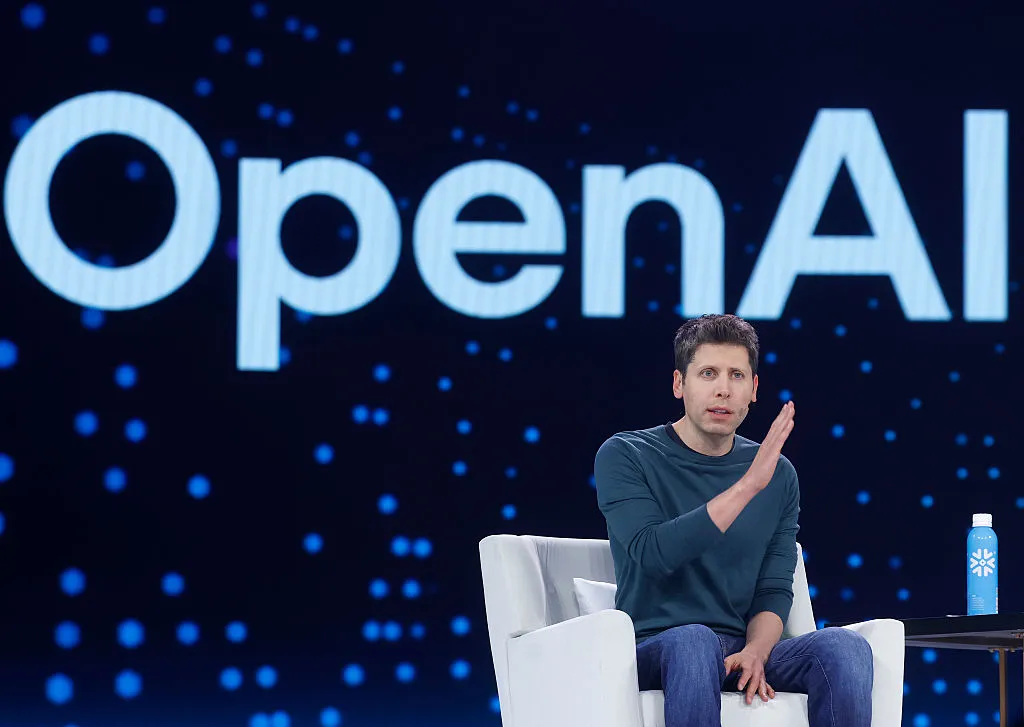
Getty Images
OpenAI has closed one of the largest private funding rounds in history, raising a staggering $122 billion and pushing its post-money valuation to approximately $852 billion. The deal significantly exceeds the previously announced $110 billion commitment and reinforces the company’s position at the center of the global artificial intelligence boom.
The funding round was co-led by major institutional players including SoftBank, alongside prominent firms such as Andreessen Horowitz and D. E. Shaw. Strategic backing also came from tech giants like Amazon and Nvidia, which committed up to $50 billion and $30 billion respectively. Microsoft, already a key partner, participated again, adding to its cumulative investment of over $13 billion in the company.
A notable shift in this round was OpenAI’s decision to broaden access to capital. For the first time, the company opened participation through banking channels, allowing a wider pool of investors to gain exposure. This move brought in an additional $12 billion beyond the initial commitments, including approximately $3 billion from individual investors—an unusual development for a late-stage private tech company of this scale.
OpenAI’s rapid ascent has been fueled by the explosive adoption of its flagship product, ChatGPT, which launched in 2022 and ignited a global AI race. The platform now serves more than 900 million weekly active users, with over 50 million paying subscribers. This user growth has translated into significant revenue momentum, with the company generating around $2 billion per month and reporting $13.1 billion in annual revenue last year.
Despite its massive scale, OpenAI remains unprofitable, continuing to invest heavily in infrastructure, talent, and product development. The capital raised in this round is expected to fund next-generation AI models, expand global data center capacity, and accelerate enterprise adoption. The company has also been tightening its cost structure, scaling back certain experimental initiatives and refining its product portfolio to focus on high-impact offerings.
As OpenAI edges closer to a potential public listing, expectations are rising. CEO Sam Altman faces increasing pressure to demonstrate that the company can translate its technological leadership into sustainable profitability. Investors are closely watching margins, monetization strategies, and long-term competitive positioning in an increasingly crowded AI landscape.
The broader significance of this funding round extends beyond OpenAI itself. It signals a structural shift in how capital markets are valuing artificial intelligence—not just as a technology trend, but as foundational infrastructure for the global economy. From productivity tools to scientific research and enterprise automation, AI is rapidly becoming embedded across industries.
OpenAI described the moment as a generational inflection point, emphasizing that the scale of investment reflects the transformative potential of intelligent systems. As capital continues to flow into the sector, the company is positioning itself not just as a leader in AI development, but as a central platform shaping the future of digital intelligence.
.webp)
Popular articles



Subscribe to unlock premium content
LEGO Boutique Flagship Stores Are Redefining Global Play

How Boutique Safari Camps in Kenya Are Creating Premium Eco Experiences

Discovering Southeast Asia’s Private Culinary Travel Boom

LEGO Boutique Flagship Stores Are Redefining Global Play
How Boutique Safari Camps in Kenya Are Creating Premium Eco Experiences
LEGO Boutique Flagship Stores Are Redefining Global Play