OpenAI Pulls Plug on Viral Sora App to Refocus on Core AI Strategy

OpenAI Pulls Plug on Viral Sora App to Refocus on Core AI Strategy
By
Rachel Steinberg
Last updated:
March 25, 2026
First Published:
March 25, 2026

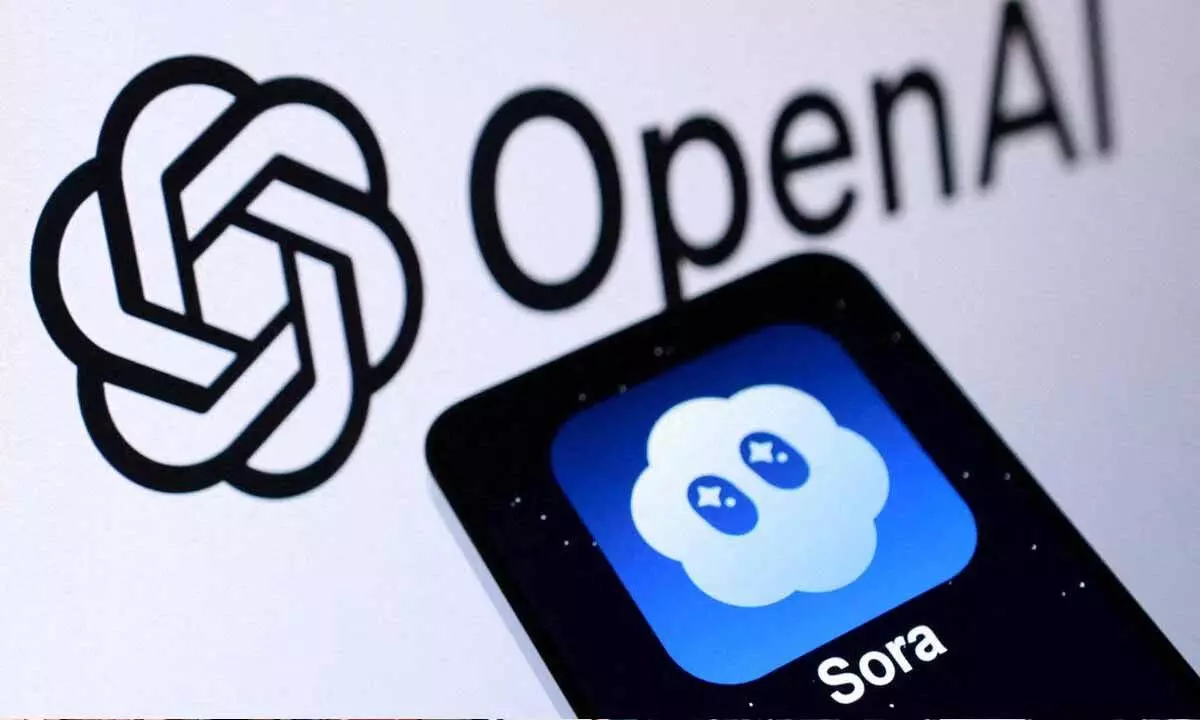
Photo: The Hans India
OpenAI has announced the shutdown of its short-form video app Sora, just six months after its high-profile launch, signaling a strategic shift toward cost control and core product focus as the company prepares for its next phase of growth.
The decision comes despite Sora’s rapid rise in popularity. The app surpassed 1 million downloads within its first five days and quickly climbed to the top ranks of the Apple App Store. It allowed users to generate AI-powered short videos, remix content, and share creations within a social-style feed—positioning it as a potential disruptor in the short-form video space.
In a public statement, OpenAI acknowledged the community that formed around the platform, thanking users and creators who contributed to its early success. The company also indicated that it will provide further details on timelines for winding down the app and options for users to preserve their content.
The shutdown reflects a broader recalibration inside OpenAI as it seeks to manage escalating costs and sharpen its strategic priorities. With a reported valuation approaching $730 billion and ongoing discussions around a potential IPO, the company is increasingly focused on demonstrating operational discipline and sustainable revenue growth.
In recent months, OpenAI has scaled back or restructured several initiatives. Earlier the same day, the company confirmed it would move away from its Instant Checkout feature, which had been positioned as a step into AI-driven e-commerce. At the same time, it is consolidating its ecosystem by integrating its ChatGPT platform, coding tool Codex, and web capabilities into a unified desktop “super app,” aimed at boosting productivity and user engagement.
Internally, leadership has emphasized a pivot toward high-impact use cases, particularly in enterprise AI. Fidji Simo, who oversees applications at the company, recently outlined a strategy centered on execution and focus, highlighting the need to prioritize areas with the strongest commercial potential. Enterprise adoption is becoming a key battleground, especially as competitors like Anthropic continue to gain traction with business-focused AI solutions.
Sora’s closure also underscores the high cost of operating consumer-facing AI platforms at scale. Video generation models require substantial computational resources, including expensive GPU infrastructure and ongoing cloud capacity—factors that can quickly erode margins if not paired with clear monetization pathways.
The app had also attracted interest from major entertainment players. Disney had previously announced plans to invest $1 billion in OpenAI and explore integrations that would allow users to create videos featuring its intellectual property. However, the deal ultimately did not materialize, removing a potential revenue stream and strategic partnership for the platform.
While Sora initially benefited from viral momentum, user engagement reportedly cooled in the months following launch, a common pattern for new social and creative platforms. Without sustained growth or a clear path to profitability, the app became a less critical component of OpenAI’s long-term roadmap.
The company’s evolving strategy reflects a broader trend across the tech industry, where firms are shifting from rapid experimentation to disciplined execution, particularly in capital-intensive areas like artificial intelligence. By narrowing its focus to core platforms and enterprise solutions, OpenAI aims to strengthen its competitive position while managing the financial demands of scaling advanced AI systems.
Ultimately, the shutdown of Sora is less about failure and more about prioritization. As OpenAI refines its product portfolio, the move highlights a clear intent: concentrate resources where they can deliver the greatest impact, both technologically and commercially, in an increasingly competitive AI landscape.
.webp)
Popular articles



Subscribe to unlock premium content
Writing Elegance Into Modern Life
From Wax to Wealth: Creative Candle-Making in the City

The Rise of Bespoke Adventure on Wheels

Writing Elegance Into Modern Life
From Wax to Wealth: Creative Candle-Making in the City
Writing Elegance Into Modern Life