Amazon Expands Robotics Ambitions With Fauna Acquisition in Push Toward Human-Friendly AI Machines

Amazon Expands Robotics Ambitions With Fauna Acquisition in Push Toward Human-Friendly AI Machines
By
Rachel Steinberg
Last updated:
March 25, 2026
First Published:
March 25, 2026

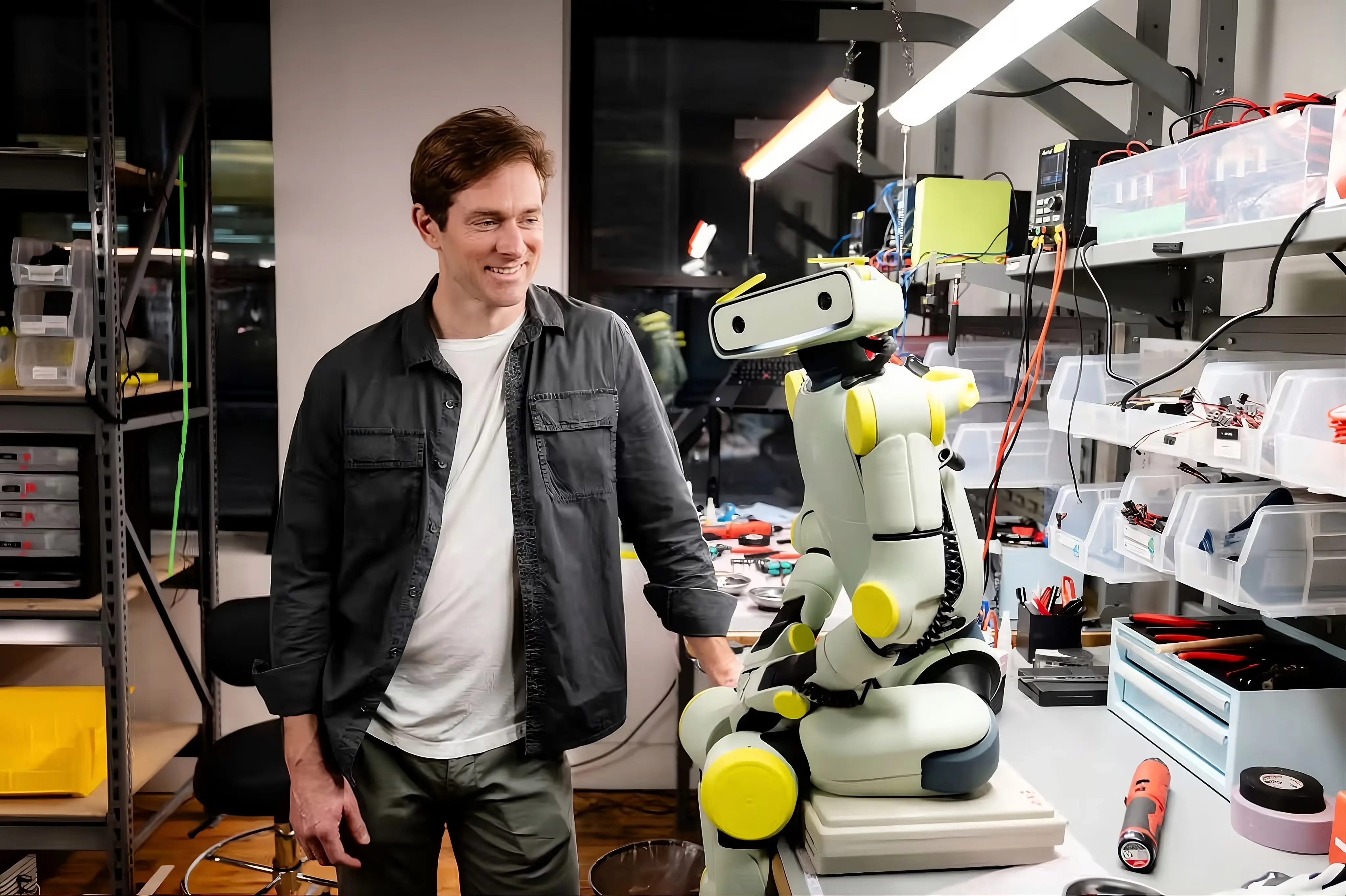
Photo: Neowin
Amazon has taken another decisive step into the future of robotics, acquiring emerging startup Fauna Robotics as it accelerates its efforts to integrate intelligent machines into everyday life. The deal, whose financial terms remain undisclosed, underscores Amazon’s growing commitment to humanoid robotics as a long-term strategic priority.
Fauna Robotics, founded in 2024 by former engineers from Meta and Google, has quickly gained attention for its flagship robot, “Sprout.” Priced at approximately $50,000, the compact humanoid stands 3 feet 6 inches tall, weighs around 50 pounds, and is designed with a clear focus on approachability and ease of interaction. Unlike industrial robots built purely for efficiency, Sprout is engineered to be human-friendly, making it suitable for both consumer environments and commercial use cases.
The acquisition brings Fauna’s roughly 50-person team into Amazon’s ecosystem, with operations expected to continue out of New York. Leadership at Fauna emphasized continuity in vision, noting that the company will operate as a dedicated unit under Amazon while scaling its technology with significantly greater resources.
This move fits into a broader pattern of aggressive expansion in robotics by Amazon. The company has been investing in automation for more than a decade, beginning with its $775 million acquisition of Kiva Systems in 2012, which laid the foundation for its highly sophisticated warehouse robotics network. Today, Amazon operates hundreds of thousands of robots across its fulfillment centers, optimizing logistics, reducing delivery times, and lowering operational costs.
More recently, Amazon has begun extending its robotics ambitions beyond warehouses. Just last week, the company acquired Rivr, a firm focused on last-mile delivery robots capable of navigating sidewalks and delivering packages directly to customers’ doorsteps. Together, these acquisitions signal a coordinated strategy to automate the entire logistics chain—from storage to final delivery.
Fauna’s technology adds a new dimension to this vision by introducing humanoid robots that can operate in more dynamic, human-centric environments. Early adopters of Sprout reportedly include major organizations such as Disney and Boston Dynamics, suggesting strong initial interest from both entertainment and advanced robotics sectors.
Amazon has also experimented with consumer-facing robots in the past. Its Astro robot, launched in 2021 and priced at around $1,600, was designed as a home assistant capable of navigation, monitoring, and basic interaction. However, adoption has been limited, and the company appears to be refining its approach with more advanced and capable systems like those developed by Fauna.
The acquisition places Amazon squarely in the middle of an intensifying global race to develop humanoid robots. Competitors include Tesla, which is developing its Optimus robot and aims to scale production to as many as 1 million units annually. Other players such as Figure AI, Apptronik, Agility Robotics, and China’s Unitree are also rapidly advancing their own humanoid platforms.
What sets Amazon apart is its unique combination of retail dominance, cloud infrastructure, AI capabilities, and real-world deployment environments. By integrating humanoid robots into its ecosystem, the company could unlock new applications ranging from home assistance and elder care to retail automation and logistics support.
Ultimately, the acquisition of Fauna Robotics reflects a broader shift in how technology companies are approaching robotics—not just as tools for efficiency, but as interactive systems designed to coexist with humans. For Amazon, this move is less about a single product and more about positioning itself at the forefront of a future where intelligent machines become a seamless part of everyday life.
.webp)
Popular articles



Subscribe to unlock premium content
Writing Elegance Into Modern Life

From Wax to Wealth: Creative Candle-Making in the City

The Rise of Bespoke Adventure on Wheels

Writing Elegance Into Modern Life
From Wax to Wealth: Creative Candle-Making in the City
Writing Elegance Into Modern Life