
Oil Surges to $100 as Middle East Conflict Fuels Global Supply Fears

Oil Surges to $100 as Middle East Conflict Fuels Global Supply Fears
By
David Goldfarb
Last updated:
March 12, 2026
First Published:
April 25, 2026

Getty Images
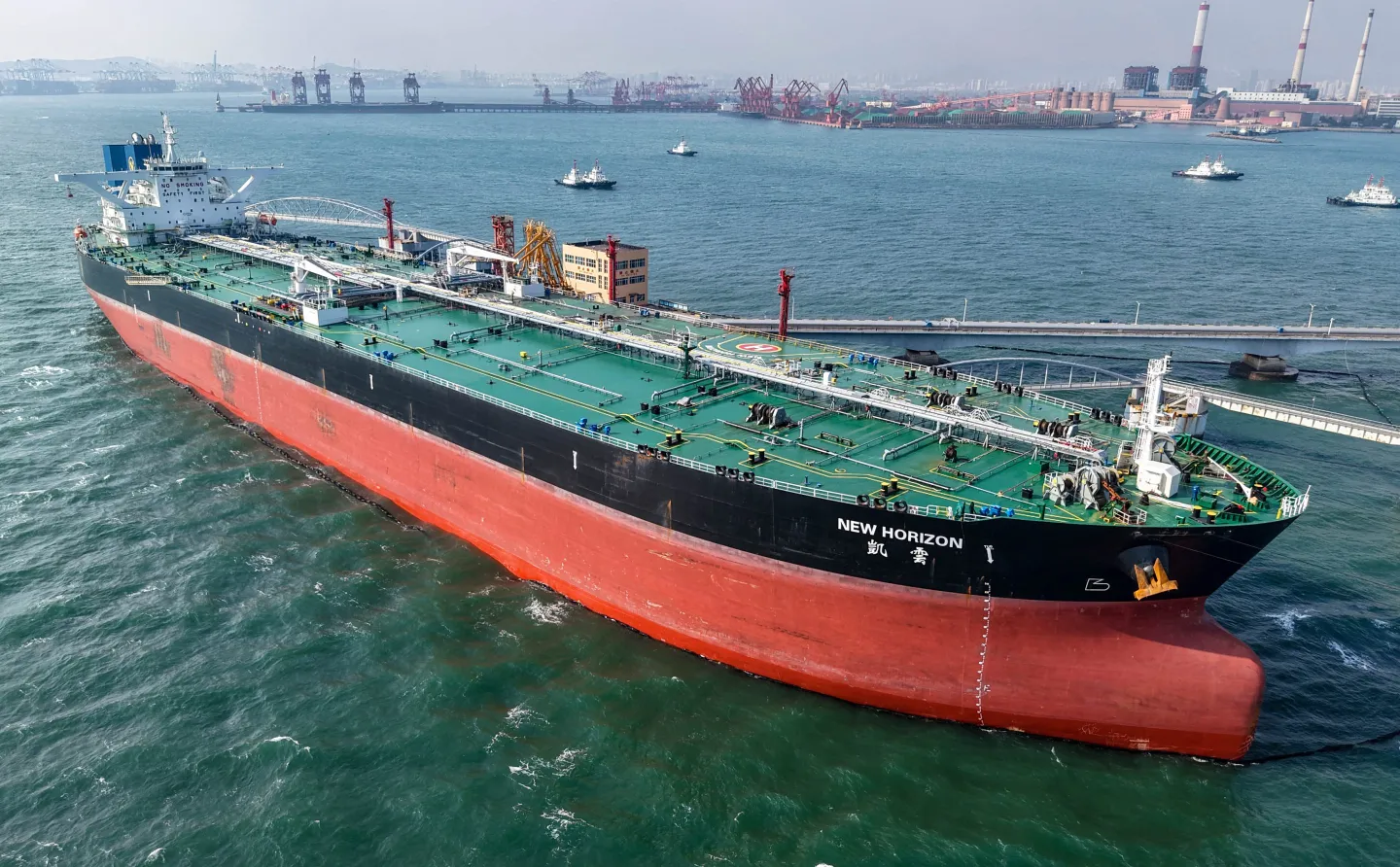
Global oil markets have surged back into crisis territory as prices climbed sharply, with Brent crude breaking the psychologically important $100 per barrel mark. The jump came despite the largest coordinated emergency oil release ever announced by major economies, highlighting how deeply concerned traders remain about potential supply disruptions caused by the escalating conflict in the Middle East.
Energy markets reacted with a powerful rally as fears grew that the war could threaten shipments through the Strait of Hormuz, one of the most strategically important energy corridors in the world. Even aggressive government intervention through strategic petroleum reserves has so far failed to ease concerns that global supply could tighten dramatically.
Oil Prices Jump Despite Massive Reserve Release
Crude prices surged more than 8 percent during trading, reflecting intense anxiety across energy markets. U.S. benchmark West Texas Intermediate climbed to around $95 per barrel, while global benchmark Brent crude rose nearly 9 percent to reach $100 per barrel.
The rally came shortly after the International Energy Agency announced an unprecedented emergency release of oil reserves from its member countries. The organization said that 32 participating nations would collectively release approximately 400 million barrels of crude from strategic stockpiles in an attempt to stabilize markets.
This intervention represents the largest coordinated release of oil reserves in modern history, surpassing previous emergency actions taken during major geopolitical crises. The move is designed to inject additional supply into the global market and ease pressure created by potential disruptions in the Middle East.
The United States alone plans to contribute a significant portion of the release. Officials confirmed that roughly 172 million barrels will be drawn from the Strategic Petroleum Reserve, the country’s emergency oil stockpile designed to cushion supply shocks.
According to government officials, shipments from the U.S. reserve could begin within days and may take approximately four months to fully deliver into global markets.
Markets Remain in Panic Mode
Despite the scale of the intervention, oil traders have shown little confidence that reserve releases will be enough to stabilize prices in the short term. The continued rally in crude prices suggests markets remain deeply concerned about the potential scale of supply disruptions.
Energy analysts say current price movements reflect a mixture of fear, uncertainty, and speculation about how the conflict could evolve. Traders are particularly worried about the possibility that oil flows through the Strait of Hormuz could be disrupted or restricted.
Roughly 20 percent of the world’s daily oil supply moves through this narrow waterway, making it one of the most critical chokepoints in global energy logistics. On average, more than 20 million barrels of crude oil and petroleum products pass through the strait each day, connecting major producers in the Persian Gulf with global markets.
If shipping through the route becomes constrained, the resulting supply shock could significantly tighten global oil availability almost overnight.
Emergency Reserves May Only Offset a Fraction of Lost Supply
While the release of 400 million barrels from strategic reserves is substantial, analysts say it may still be insufficient if a prolonged disruption occurs.
Energy market estimates suggest that a complete shutdown or severe restriction of shipping through the Strait of Hormuz could remove as much as 20 million barrels per day from global markets. In comparison, the reserve release would only compensate for a portion of that deficit over time.
Some analysts estimate that the coordinated stockpile drawdown might cover only around a quarter of the potential supply gap if the strait remains closed or heavily disrupted.
The move by the International Energy Agency also signals the seriousness of the situation. Coordinated reserve releases are typically used only during severe energy crises, and the scale of the current action suggests governments are preparing for the possibility of a prolonged conflict.
Another concern is that oil taken from strategic reserves must eventually be replenished. Once markets stabilize, governments will likely need to rebuild stockpiles, which could create additional demand and potentially support higher oil prices even after the conflict subsides.
Delivery Delays Could Limit Immediate Impact
Another reason markets remain uneasy is uncertainty about how quickly the emergency oil supplies can reach refineries and trading hubs.
Although the announcement of the reserve release was immediate, the physical process of transporting and distributing the oil is far more complex. Each member country in the International Energy Agency maintains its own strategic reserves, meaning the logistics of releasing and delivering the oil vary widely.
Technical limitations, transportation constraints, and coordination between governments could slow the speed at which these barrels reach the market.
Industry estimates suggest it could take between 60 and 90 days before a significant portion of the released oil begins to meaningfully affect global supply levels. For markets currently facing immediate geopolitical risk, that timeline may be too slow to calm investors.
The Largest Oil Disruption in Decades
Energy strategists say the current crisis has the potential to become the most significant supply disruption since the oil shocks of the 1970s.
During that period, geopolitical conflicts and embargoes triggered severe shortages that reshaped global energy policy and drove crude prices sharply higher. The creation of the International Energy Agency itself was a direct response to those earlier crises.
Today’s global oil market is even more interconnected, meaning disruptions in one region can quickly ripple across the entire energy system.
With geopolitical tensions escalating and uncertainty surrounding key shipping routes, traders are bracing for continued volatility. If the conflict drags on or further threatens maritime energy corridors, oil prices could remain elevated for an extended period.
For now, the surge to $100 per barrel reflects a market that remains highly sensitive to geopolitical risk and unconvinced that emergency measures alone will be enough to prevent a deeper global energy supply shock.
.webp)
Popular articles



Subscribe to unlock premium content
How Finland Uses Ice Swimming Festivals to Boost Winter Tourism and Local Economies

The Boom of Luxury Personal Libraries Renting Rare Books to the Ultra-Wealthy

Why Bhutan’s Hand-Woven Textiles Are Gaining Global Collector Value

How Finland Uses Ice Swimming Festivals to Boost Winter Tourism and Local Economies
The Boom of Luxury Personal Libraries Renting Rare Books to the Ultra-Wealthy
How Finland Uses Ice Swimming Festivals to Boost Winter Tourism and Local Economies


