Oil Surges as Geopolitical Risks Intensify Over U.S.–Iran Standoff

Oil Surges as Geopolitical Risks Intensify Over U.S.–Iran Standoff
By
Leah Rosenfeld
Last updated:
February 19, 2026
First Published:
February 19, 2026

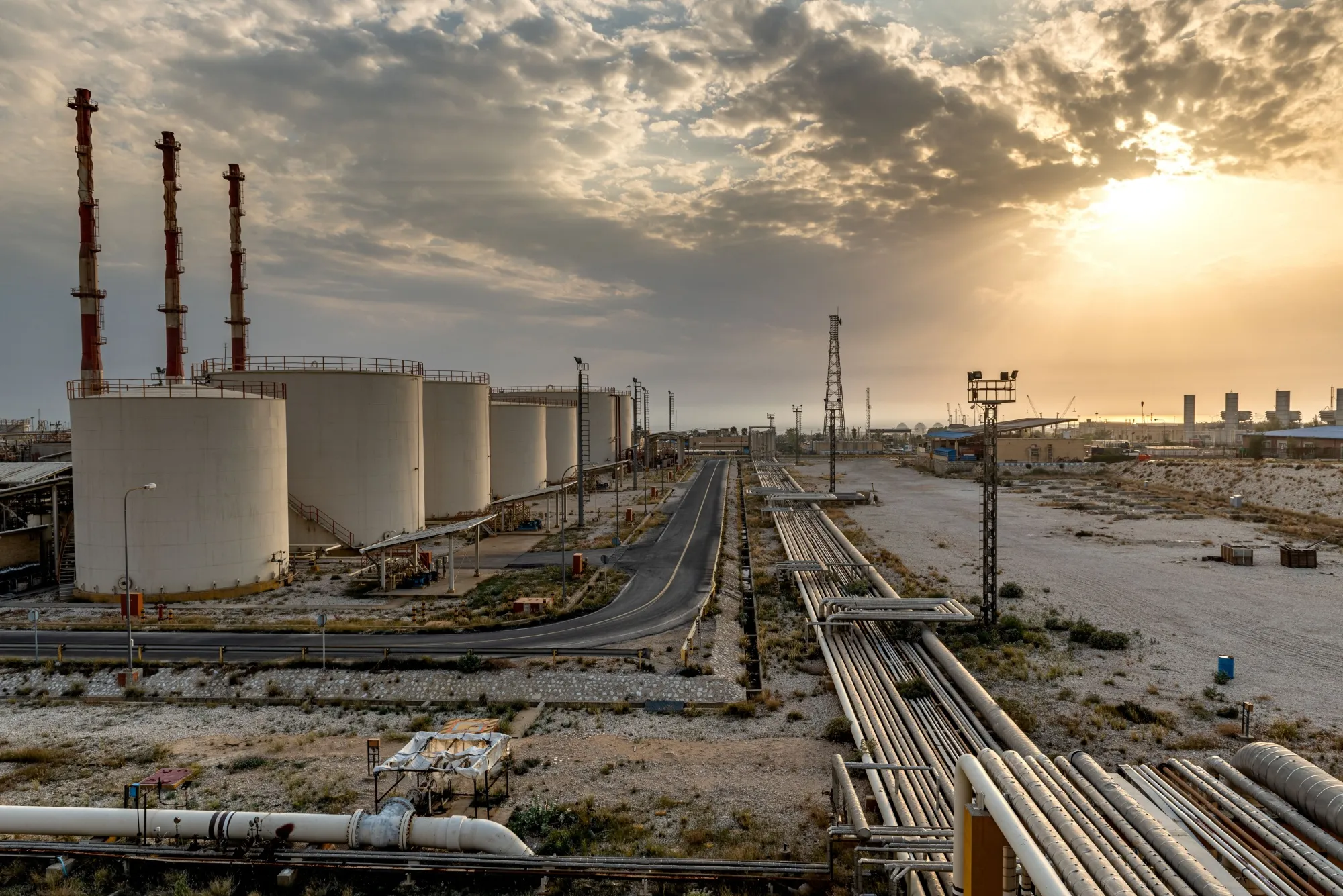
Photo: Bloomberg.com
Oil markets moved decisively higher as geopolitical tensions between the United States and Iran escalated, underscoring how quickly energy prices can react to shifts in diplomatic tone. The rally followed comments from JD Vance indicating that Tehran failed to address core U.S. conditions during recent nuclear negotiations, leaving the door open for stronger action if talks stall.
Markets Price in Rising Geopolitical Risk
Crude benchmarks posted one of their strongest single-day gains in weeks, with U.S. crude settling near the mid-$60s per barrel after jumping roughly 4.5%, while global benchmark Brent closed just above $70, also up more than 4%. The move reflects a classic risk premium: traders tend to bid up oil when supply disruptions become even a remote possibility.
Energy analysts note that geopolitical headlines can move prices as much as fundamental supply data, particularly when tensions involve major producing regions. The Middle East accounts for roughly one-third of global seaborne crude exports, making any escalation there a significant concern for refiners and import-dependent economies.
Diplomatic Talks Show Limited Progress
U.S. envoys met Iranian officials in Geneva for discussions aimed at curbing Tehran’s nuclear program. Iranian representatives characterized the talks as constructive and said there was agreement on broad principles, but U.S. officials signaled that critical issues remain unresolved.
According to Vance, the negotiations produced mixed results. While both sides agreed to continue discussions, Washington believes Iran has not adequately addressed several non-negotiable demands. The administration has reiterated that diplomacy remains the preferred path but emphasized that other options remain available if progress stalls.
Military Posture Adds to Market Anxiety
Investors also reacted to signals that Washington is maintaining a strong military presence in the region. The U.S. has deployed multiple naval assets, including aircraft carriers, as a precautionary measure. Defense officials say the deployments are intended to ensure regional stability and protect shipping lanes, but markets interpret such moves as a sign that risks are rising.
Energy strategists say the mere possibility of conflict can influence prices because traders model worst-case scenarios, including temporary disruptions to production or shipping infrastructure.
Strait of Hormuz in Focus
A central concern for oil markets is the security of the Strait of Hormuz, a narrow waterway that handles a significant share of global crude flows. Any interruption there could quickly tighten supply and send prices sharply higher.
Iran’s recent military exercises in the region, including naval drills, heightened those concerns even though shipping activity largely continued as normal. Market participants are closely monitoring tanker traffic and insurance costs, both of which can serve as early indicators of escalating risk.
Broader Economic Implications
Rising oil prices have ripple effects across the global economy, influencing inflation expectations, transportation costs, and consumer spending. For central banks already navigating fragile growth, sustained energy price increases could complicate policy decisions.
In the near term, analysts expect volatility to remain elevated as traders weigh diplomatic developments against supply fundamentals such as production levels, inventories, and demand forecasts.
Outlook
The trajectory of oil prices will likely hinge on whether negotiations regain momentum or geopolitical tensions deepen. A breakthrough in talks could quickly unwind the risk premium, while further escalation would likely push prices higher and increase market volatility.
For now, energy markets remain firmly in headline-driven territory, where diplomatic signals and military positioning can move prices as much as barrels in the ground.
.webp)
Popular articles



Subscribe to unlock premium content
The Rise of Heritage Manor Stays in the United Kingdom Countryside

H&M’s Circular Fashion Model Is Redefining Fast Fashion’s Future

Samsung’s Ecosystem Strategy Beyond Smartphones

The Rise of Heritage Manor Stays in the United Kingdom Countryside
H&M’s Circular Fashion Model Is Redefining Fast Fashion’s Future
The Rise of Heritage Manor Stays in the United Kingdom Countryside