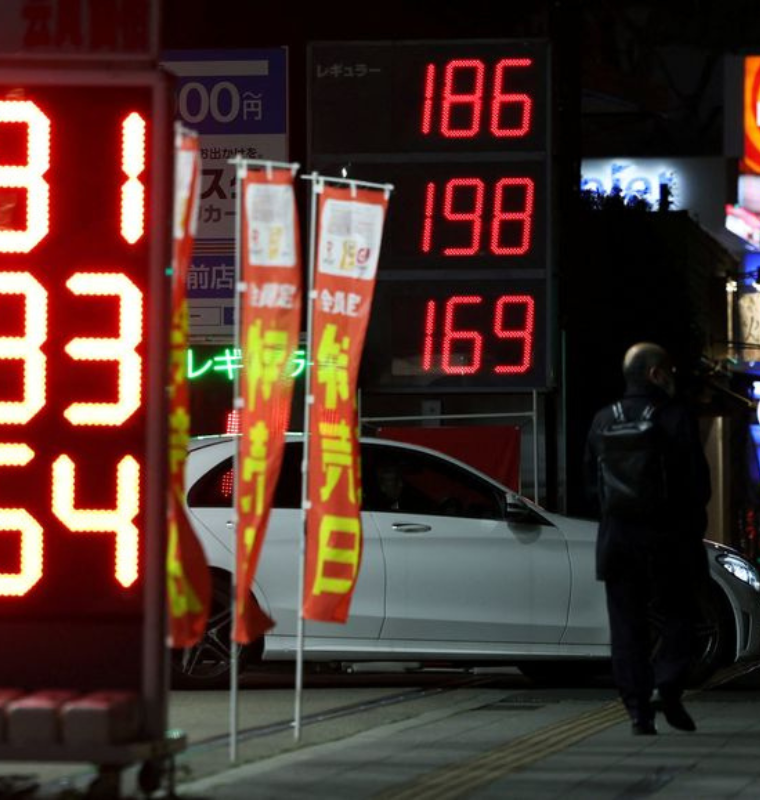
Oil Prices Climb as Middle East Tensions and Hormuz Disruptions Keep Markets on Edge

Oil Prices Climb as Middle East Tensions and Hormuz Disruptions Keep Markets on Edge
By
David Goldfarb
Last updated:
April 24, 2026
First Published:
April 24, 2026

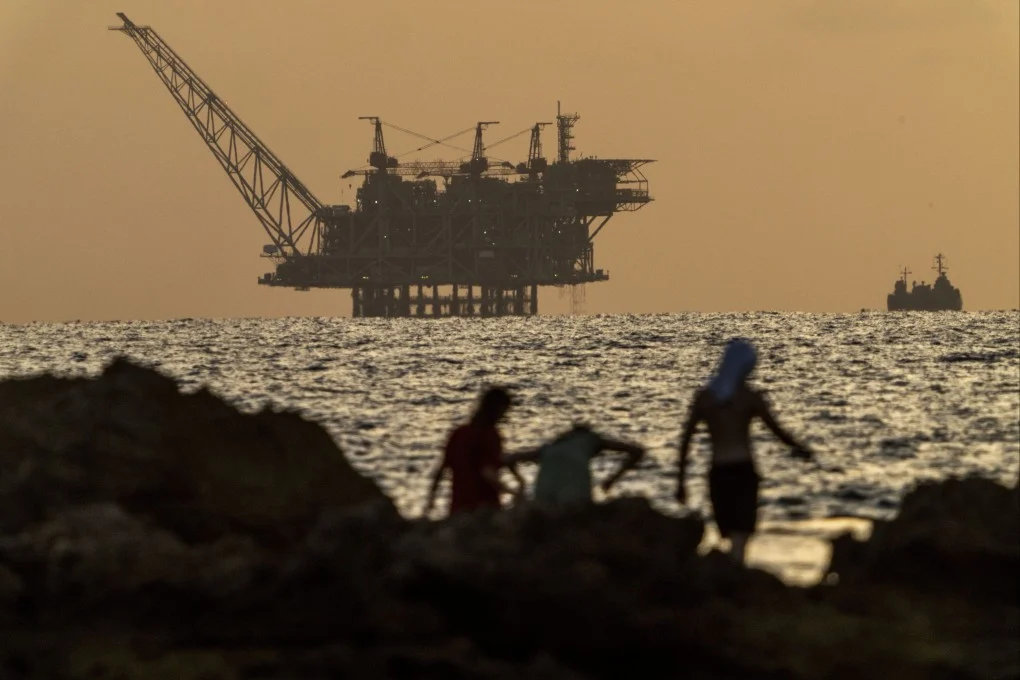
Photo: South China Morning Post
Global oil markets moved higher at the end of the week, reflecting persistent anxiety over geopolitical instability in the Middle East. Prices edged upward as investors weighed ongoing risks tied to regional conflict and the continued disruption around the strategically vital Strait of Hormuz.
Benchmark crude prices, including Brent and West Texas Intermediate, posted gains of roughly 1 to 2 percent in Friday trading, adding to a volatile stretch that has seen prices fluctuate sharply in recent weeks. Analysts note that even modest supply concerns can trigger outsized price reactions, given that nearly 20 percent of the world’s oil supply typically passes through the Strait of Hormuz.
Ceasefire Extension Offers Limited Relief
In a move aimed at easing tensions, Israel and Lebanon agreed to extend their ceasefire by three weeks following high-level discussions at the White House. The announcement was confirmed by Donald Trump, who indicated that senior U.S. officials played a key role in facilitating the talks.
While the extension provides a temporary buffer against escalation, market sentiment remains cautious. Traders are treating the truce as fragile, given the broader geopolitical landscape and the risk of sudden flare-ups that could disrupt supply chains further.
Supply Risks Continue to Dominate Sentiment
The primary driver behind rising oil prices is not just the ceasefire dynamics but the ongoing uncertainty surrounding regional supply routes. Any perceived threat to shipping lanes, particularly in chokepoints like the Strait of Hormuz, has immediate implications for global energy markets.
Energy strategists estimate that even a partial disruption in the region could remove millions of barrels per day from global supply. With global demand hovering around 100 million barrels per day, such a shock would significantly tighten markets and push prices higher.
Investors Remain Cautious Amid Volatility
Financial markets are reflecting a risk-off approach as investors navigate the uncertain environment. Oil traders are increasingly pricing in a geopolitical premium, with futures markets showing heightened volatility and wider price swings.
At the same time, central banks and policymakers are closely monitoring energy prices due to their direct impact on inflation. Sustained increases in oil costs could complicate monetary policy decisions, especially in economies already dealing with elevated price pressures.
Broader Economic Implications
Rising oil prices have ripple effects far beyond the energy sector. Higher fuel costs can weigh on consumer spending, increase transportation expenses, and squeeze profit margins across industries. For emerging markets in particular, the impact can be more pronounced due to higher dependence on energy imports.
Despite the ceasefire extension between Israel and Lebanon, the broader geopolitical backdrop continues to overshadow any short-term optimism. As long as key supply routes remain under threat and regional tensions persist, oil markets are likely to stay volatile.
The coming weeks will be critical. If diplomatic efforts hold and shipping disruptions ease, prices could stabilize. However, any escalation or prolonged blockage in strategic waterways could quickly push oil into a higher price range, reinforcing the market’s current state of uncertainty.
.webp)
Popular articles



Subscribe to unlock premium content
Chilling Luxury in the Arctic

The $80 Million Market for Luxury Indoor Vertical Gardens

Stars, Silence, and Luxury in Chile
Chilling Luxury in the Arctic
The $80 Million Market for Luxury Indoor Vertical Gardens
Chilling Luxury in the Arctic