Japan Inflation Climbs Again as Energy Shocks Return, But Underlying Price Growth Shows Mixed Signals

Japan Inflation Climbs Again as Energy Shocks Return, But Underlying Price Growth Shows Mixed Signals
By
Rachel Steinberg
Last updated:
April 24, 2026
First Published:
April 24, 2026

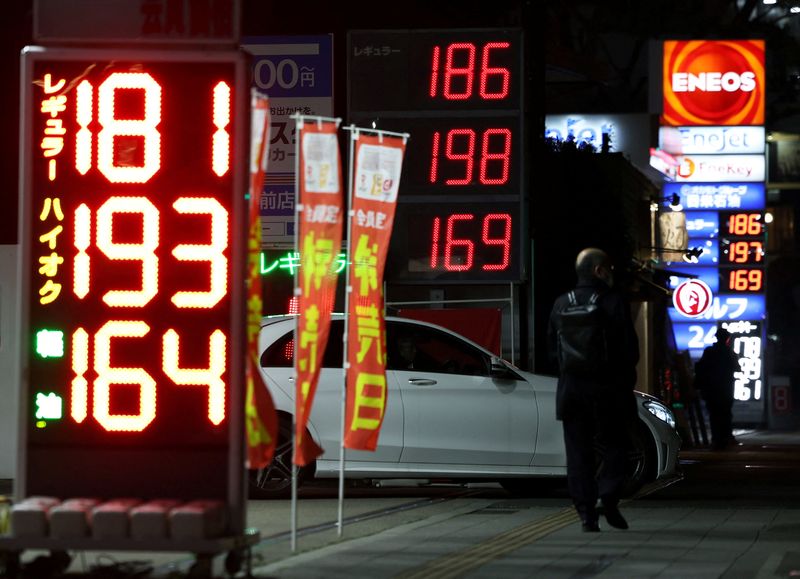
Inflation trends in Japan are showing renewed upward pressure, but the underlying dynamics remain uneven. Latest data indicates that price growth has picked up after a brief cooling period, largely driven by rising energy costs tied to geopolitical instability and supply concerns.
Headline inflation rose to 1.5 percent, up from 1.3 percent in the previous month, marking the second consecutive reading below the Bank of Japan’s 2 percent target. While this suggests some upward momentum in prices, it still reflects a level below the central bank’s long-standing goal for stable and sustained inflation.
Energy Prices Drive the Latest Increase
A key factor behind the recent uptick is the rise in global energy prices, which has been influenced by escalating geopolitical tensions and fears of supply disruption linked to conflict in the Middle East, including developments involving Iran.
Japan, which relies heavily on imported energy, is particularly sensitive to fluctuations in oil and gas markets. Higher global crude prices have translated into increased domestic fuel costs, which in turn have impacted transportation, utilities, and broader consumer pricing.
Economists estimate that energy components contributed significantly to the month-on-month inflation increase, reinforcing the economy’s exposure to external shocks rather than internal demand pressures.
Core Inflation Paints a Softer Picture
While headline inflation is moving higher, underlying price trends tell a more subdued story. The so-called “core-core” inflation rate, which excludes both food and energy prices, declined to 2.4 percent.
This measure is closely watched because it reflects more persistent, demand-driven inflation. The drop suggests that while external factors like energy are pushing overall prices upward, domestic consumption and wage-driven price growth remain relatively restrained.
The divergence between headline and core-core inflation highlights a structural challenge for Japan’s economy: external shocks can temporarily lift prices, but sustained inflation requires stronger internal demand.
Bank of Japan Faces a Delicate Balance
The mixed inflation data places the Bank of Japan in a difficult policy position. On one hand, rising headline inflation could support arguments for gradual normalization of monetary policy. On the other hand, weakening core-core inflation signals that underlying demand may not yet be strong enough to sustain higher price levels.
The central bank has maintained an ultra-loose monetary stance for years, aiming to consistently achieve its 2 percent inflation target. However, repeated failures to sustain inflation at that level have forced policymakers to remain cautious about tightening too quickly.
Global Factors Continue to Dominate
Japan’s inflation outlook remains highly dependent on global conditions, particularly energy markets and geopolitical developments. With oil prices sensitive to supply disruptions, even small shocks can have outsized effects on domestic inflation.
At the same time, currency fluctuations also play a role. A weaker yen increases import costs, further amplifying inflationary pressures on energy and raw materials.
Economic Outlook Remains Uncertain
Looking ahead, inflation is likely to remain volatile, shaped more by external forces than domestic momentum. If energy prices remain elevated, headline inflation could stay above current levels. However, without stronger wage growth and consumer demand, sustained inflation above the central bank’s target remains uncertain.
For policymakers, the challenge is clear: balancing short-term price pressures driven by global shocks with the long-term goal of achieving stable, demand-driven inflation.
.webp)
Popular articles



Subscribe to unlock premium content
Chilling Luxury in the Arctic
The $80 Million Market for Luxury Indoor Vertical Gardens

Stars, Silence, and Luxury in Chile
Chilling Luxury in the Arctic
The $80 Million Market for Luxury Indoor Vertical Gardens
Chilling Luxury in the Arctic