Oil Markets Surge Toward Triple Digits as Hormuz Disruption Fuels Global Supply Fears

Oil Markets Surge Toward Triple Digits as Hormuz Disruption Fuels Global Supply Fears
By
Alina Sinclair
Last updated:
April 17, 2026
First Published:
April 17, 2026

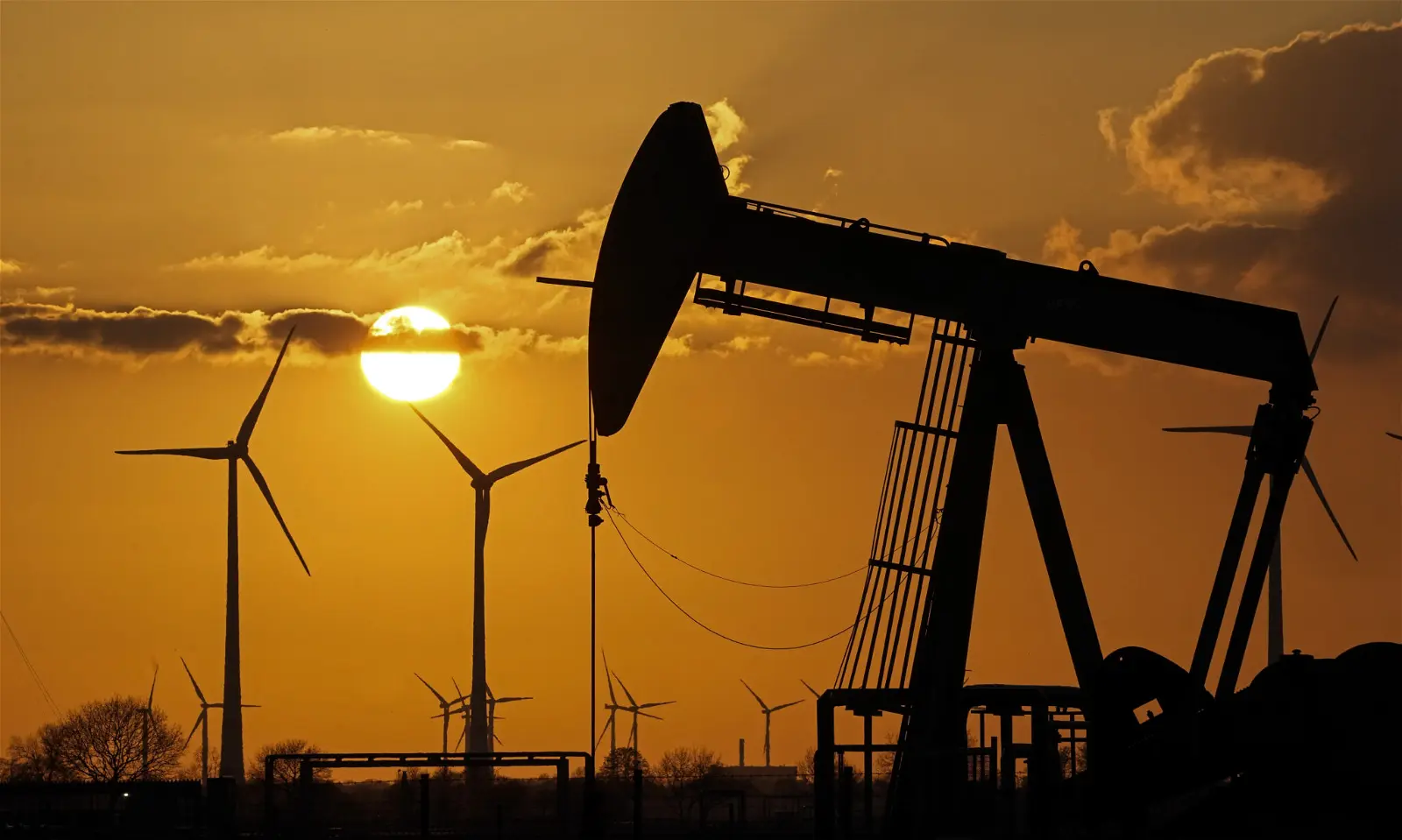
Global oil markets are once again on edge as crude prices climb sharply toward the psychologically critical $100-per-barrel mark. The latest surge comes amid continued disruptions in tanker traffic through the Strait of Hormuz, a vital artery for global energy supply, where shipping activity remains severely constrained.
Brent crude, the international benchmark, jumped nearly 5% to settle at $99.39 per barrel, marking its highest level in months. Meanwhile, U.S. benchmark West Texas Intermediate (WTI) rose close to 4%, ending the session at $94.69 per barrel. Analysts note that if current supply constraints persist, a breakout above $100 could trigger further volatility across global markets.
Strait of Hormuz Bottleneck Intensifies Supply Risks
The Strait of Hormuz, responsible for transporting roughly 20% of the world’s oil supply, remains partially blocked, with only a handful of tankers navigating the passage each day. Ongoing U.S. naval operations near Iran’s coastline, combined with Tehran’s warnings of potential retaliation against vessels in the Persian Gulf, have created a high-risk environment for maritime trade.
Shipping data indicates that daily tanker throughput has dropped significantly compared to normal levels, tightening global supply chains and pushing freight and insurance costs higher. Energy traders are increasingly pricing in geopolitical risk premiums as uncertainty continues to dominate the region.
Diplomatic Uncertainty Keeps Markets on Edge
On the diplomatic front, U.S. President Donald Trump signaled that Washington and Tehran are “likely” to resume negotiations over the weekend, although no formal schedule has been confirmed. The potential talks follow a failed round of discussions last week in Pakistan, where disagreements over broader regional conflicts, including Israel’s tensions with Hezbollah, derailed progress.
Adding another layer of complexity, Trump recently announced a temporary 10-day ceasefire agreement between Israel and Lebanon. While this development may ease some regional tensions, it has yet to translate into meaningful progress in U.S.–Iran negotiations.
Market participants remain skeptical about the timeline for any breakthrough. According to sources familiar with ongoing diplomatic discussions, European and Gulf Arab officials estimate that reaching a comprehensive agreement could take up to six months, prolonging uncertainty in energy markets.
Ceasefire Deadline Looms Large
The current two-week ceasefire between the United States and Iran is set to expire on Tuesday, April 21. The truce was initially agreed upon with the expectation that Iran would fully reopen the Strait of Hormuz to international shipping. However, Tehran appears reluctant to relinquish control over the strategic waterway, maintaining restrictions that continue to disrupt global oil flows.
If the ceasefire collapses without a clear diplomatic resolution, analysts warn of further escalation that could push oil prices well beyond $100 per barrel. Such a scenario would have ripple effects across inflation, transportation costs, and broader economic stability worldwide.
Market Outlook: Volatility Ahead
Energy markets are now entering a critical phase where geopolitical developments will heavily dictate price movements. With supply chains under pressure, limited tanker access, and no definitive timeline for diplomatic resolution, traders are bracing for sustained volatility.
Short-term forecasts suggest that oil could breach the $100 threshold if tensions persist or escalate. At the same time, any tangible progress in negotiations or a reopening of the Strait could trigger a sharp pullback in prices.
For now, the global economy remains tightly linked to the outcome of these high-stakes developments in the Middle East, with oil markets acting as the most immediate barometer of risk.
.webp)
Popular articles



Subscribe to unlock premium content
How a Small Italian Leather Workshop Became a Favorite Among Luxury Designers

Why Collecting Rare Artisanal Teas Has Become a Multi-Million-Dollar Hobby

Switzerland’s Secret to Exceptional Peacefulness
How a Small Italian Leather Workshop Became a Favorite Among Luxury Designers
Why Collecting Rare Artisanal Teas Has Become a Multi-Million-Dollar Hobby
How a Small Italian Leather Workshop Became a Favorite Among Luxury Designers