New York Fed Warns Conflict Risks Could Push Inflation Higher While Slowing U.S. Growth

New York Fed Warns Conflict Risks Could Push Inflation Higher While Slowing U.S. Growth
By
Alina Sinclair
Last updated:
April 17, 2026
First Published:
April 17, 2026

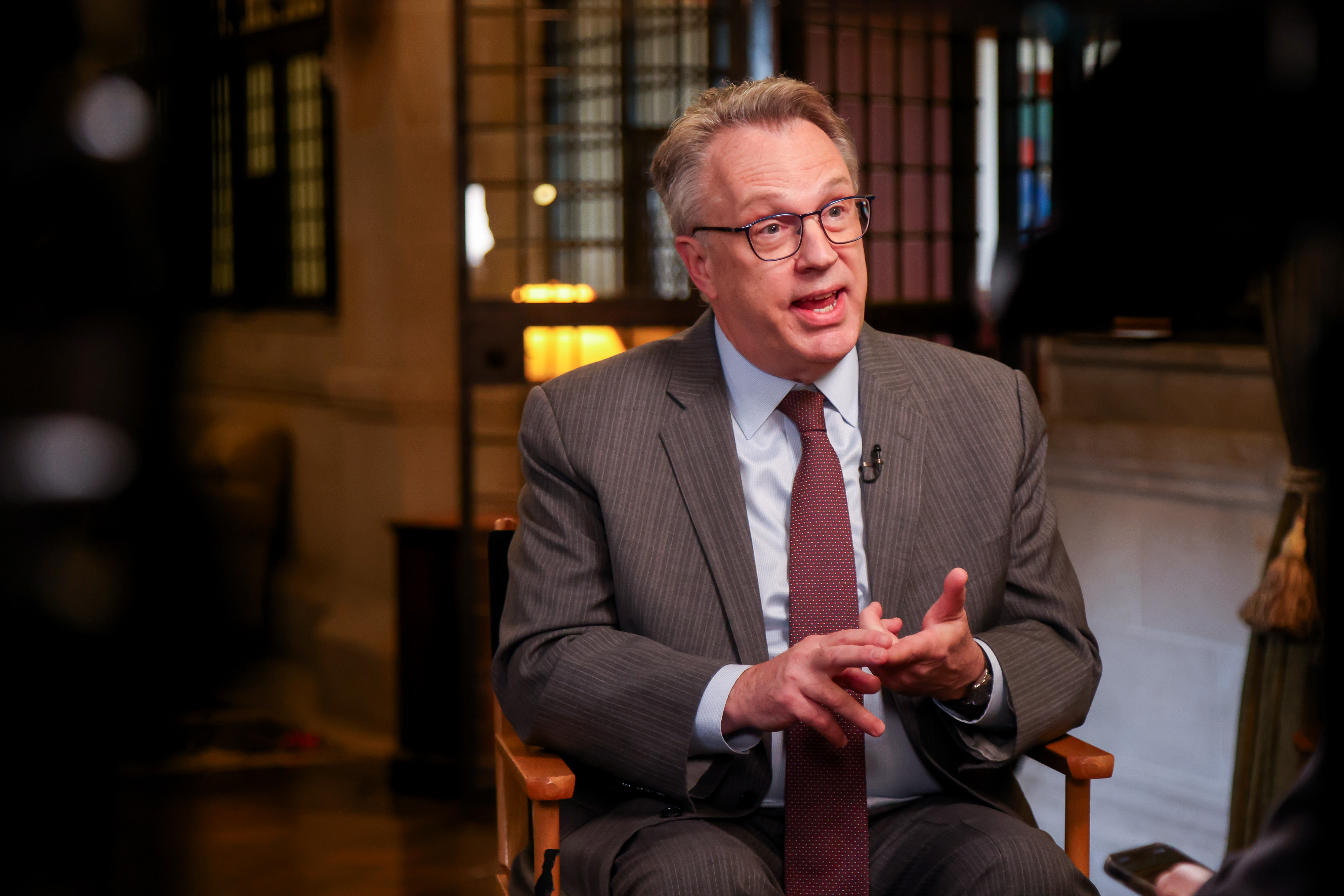
New York Federal Reserve President John Williams has raised fresh concerns about the economic fallout from the ongoing Iran-related conflict, warning that it is already beginning to push up prices while simultaneously weighing on growth.
Speaking in a policy address to regional banking leaders, Williams said the emerging dynamics are increasing uncertainty across both national and regional economic conditions, with early signs of disruption already visible in key sectors.
Early Signs of Stagflation Pressure Emerging
Williams emphasized that the U.S. economy is facing a dual challenge: rising inflationary pressures alongside weakening growth momentum. While he maintained a baseline view that the economy will continue to expand and inflation will gradually ease, he acknowledged that recent geopolitical developments are complicating that outlook.
He noted that if energy supply disruptions ease in the near term, some of the upward pressure on prices could reverse later this year. However, he also cautioned that a more severe supply shock could have lasting effects, simultaneously lifting inflation and slowing economic activity.
This combination of weak growth and persistent inflation is often referred to as stagflation, a scenario that presents a difficult policy dilemma for central banks tasked with managing both price stability and employment.
Energy Prices Driving Broader Cost Increases
According to Williams, disruptions in global energy markets are already feeding into higher costs across the economy. Rising oil and fuel prices are not only affecting transportation but are also contributing to higher prices for goods and services more broadly.
He pointed to spillover effects across multiple sectors, including air travel, groceries, agricultural inputs such as fertilizer, and other consumer essentials. These indirect impacts suggest that energy shocks are becoming increasingly embedded in the broader inflation structure rather than remaining isolated to fuel markets.
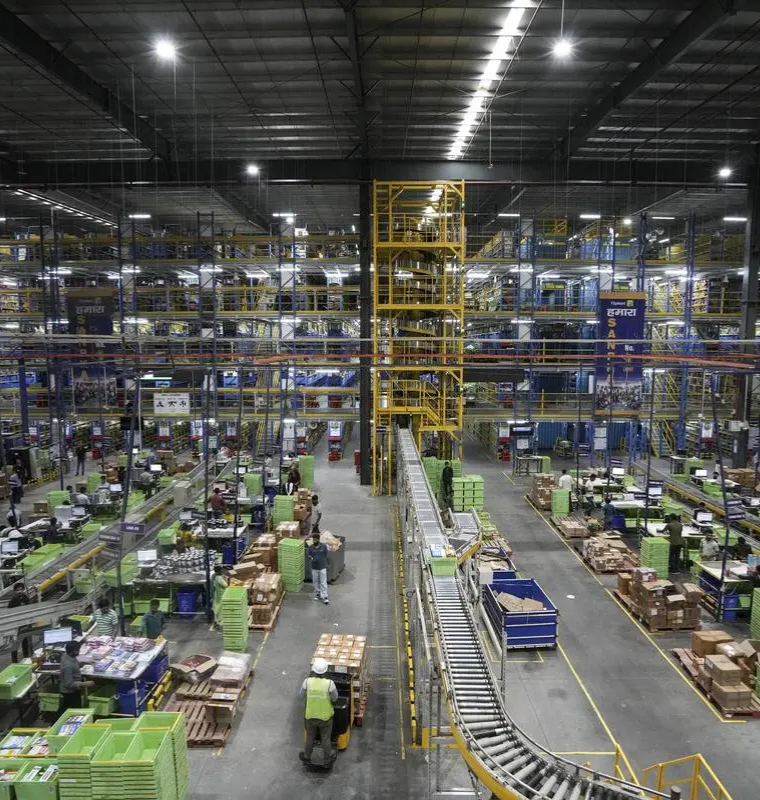
The New York Fed’s Global Supply Chain Pressure Index also indicates that supply conditions tightened in March to their most constrained level since early 2023, reinforcing concerns about persistent logistical bottlenecks.
Supply Chain Strain Adds to Inflation Risks
Williams highlighted growing disruptions in global supply chains, particularly those tied to energy and industrial inputs. These constraints are amplifying cost pressures for businesses and are gradually being passed on to consumers.
The combination of higher input costs and constrained supply is creating a more inflation-prone environment, even as demand in some areas shows signs of moderation. This dynamic complicates the Federal Reserve’s efforts to bring inflation sustainably back toward its 2% target.
Federal Reserve Policy Remains on Hold
Despite these risks, Williams said current monetary policy is appropriately positioned to balance the Fed’s dual mandate of price stability and maximum employment. The Federal Open Market Committee opted in March to hold interest rates steady in the 3.5% to 3.75% range.
Market expectations suggest policymakers are likely to maintain that stance in the near term, with traders assigning a high probability that rates will remain unchanged at the upcoming April 28–29 meeting. Current pricing also indicates limited expectation of rate cuts over the remainder of the year.
Williams did not signal any immediate policy shift, instead emphasizing the need for flexibility in response to evolving conditions.
Growth Outlook Holds, but Inflation Path Uncertain
Despite heightened risks, Williams still projects moderate economic growth, with real GDP expected to expand between 2% and 2.5% this year. Inflation, however, is anticipated to remain elevated in the near term, averaging between 2.75% and 3% before gradually easing back toward the Fed’s 2% target over the longer horizon, potentially by 2027.
He also noted that longer-term inflation expectations remain relatively well anchored, suggesting that markets still trust the Fed’s ability to stabilize prices over time.
Policy Challenge Ahead for the Fed
The broader implication of Williams’ remarks is that the Federal Reserve may face an increasingly complex balancing act if geopolitical tensions continue to disrupt energy markets and global supply chains.
While the baseline scenario still points to steady growth and gradual disinflation, the rising risk of stagflation-like conditions underscores how external shocks can quickly reshape the economic outlook.
For policymakers, the key challenge will be determining how long inflationary pressures persist and whether growth resilience is strong enough to absorb ongoing global uncertainty without tipping the economy off course.
.webp)
Popular articles



Subscribe to unlock premium content
How a Small Italian Leather Workshop Became a Favorite Among Luxury Designers

Why Collecting Rare Artisanal Teas Has Become a Multi-Million-Dollar Hobby

Switzerland’s Secret to Exceptional Peacefulness

How a Small Italian Leather Workshop Became a Favorite Among Luxury Designers
Why Collecting Rare Artisanal Teas Has Become a Multi-Million-Dollar Hobby
How a Small Italian Leather Workshop Became a Favorite Among Luxury Designers