NYC Mayor Targets Luxury Second Homes With New Tax Proposal, Sparking Clash With Citadel

NYC Mayor Targets Luxury Second Homes With New Tax Proposal, Sparking Clash With Citadel
By
Leah Rosenfeld
Last updated:
April 24, 2026
First Published:
April 24, 2026

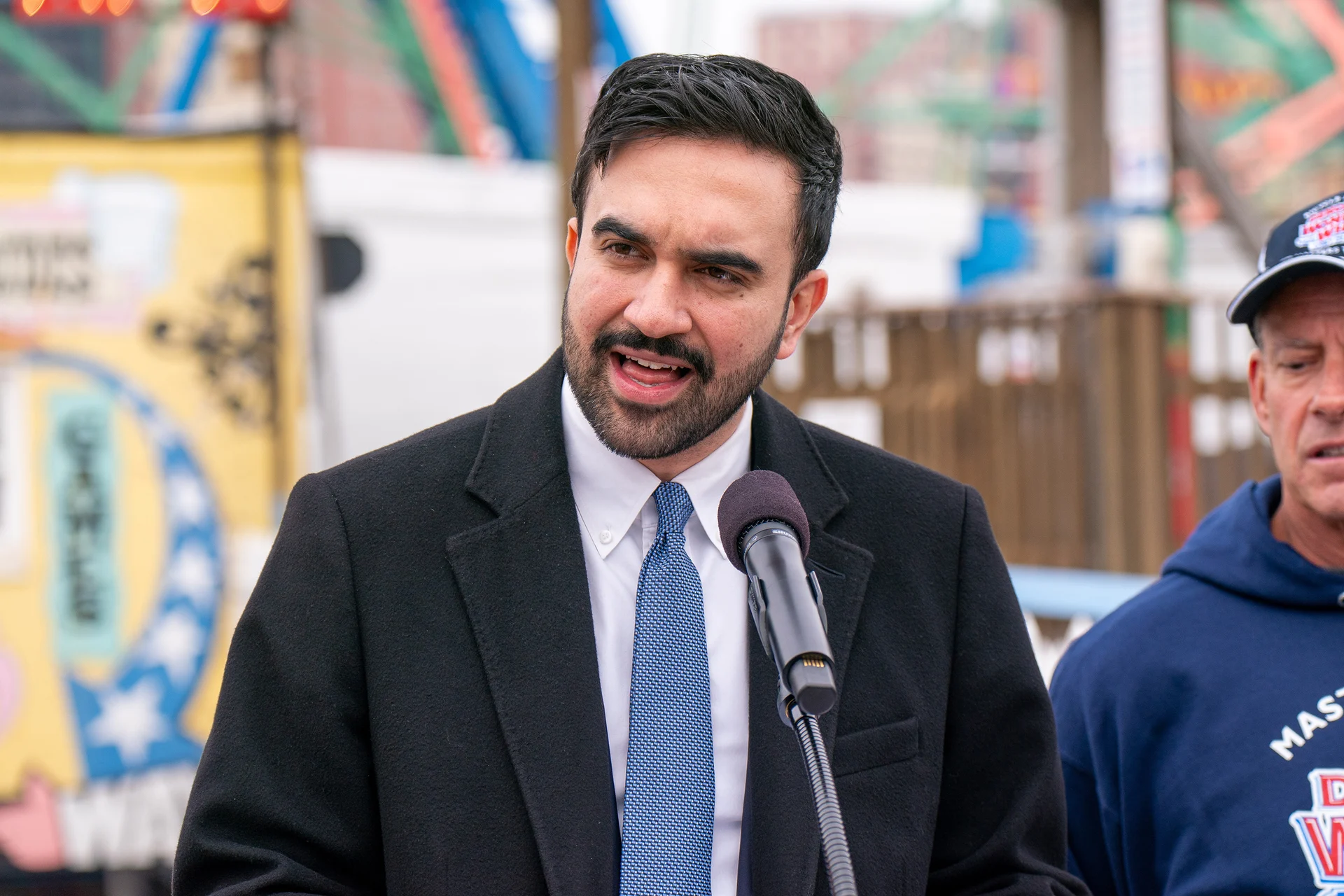
Photo: Bloomberg News
A fresh political and economic debate is unfolding in New York City after Zohran Mamdani publicly introduced a proposed tax targeting high-value secondary residences, commonly referred to as pied-à-terre properties. The proposal, aimed at ultra-wealthy homeowners who maintain luxury apartments in the city without primary residency, is already drawing strong reactions from the financial sector.
The mayor unveiled the plan through a social media video filmed outside a residence linked to billionaire hedge fund manager Ken Griffin. The move was widely seen as a direct message to high-net-worth individuals who benefit from New York’s real estate market while contributing less to the city’s tax base compared to full-time residents.
A Tax Aimed at Luxury and Limited Use
The proposed pied-à-terre tax is designed to target properties valued at $5 million or more that are not used as primary homes. City officials estimate that thousands of such units exist across Manhattan alone, many sitting vacant for large parts of the year.
Supporters of the measure argue that these properties contribute to housing scarcity and inflate real estate prices without adding consistent economic activity. By introducing an annual tax surcharge, the city aims to generate additional revenue that could be redirected toward public services, infrastructure, and affordable housing initiatives.
Preliminary projections suggest the tax could bring in hundreds of millions of dollars annually, depending on final rates and thresholds.
Citadel Pushes Back Strongly
The response from Citadel was swift and critical. Chief Operating Officer Gerald Beeson issued an internal memo condemning the mayor’s approach, particularly the decision to single out Griffin by name.
Beeson described the move as “shameful,” arguing that it reflects a misunderstanding of the role that major investors and financial leaders play in supporting the city’s economy. He emphasized that individuals like Griffin contribute significantly through taxes, philanthropy, and job creation.
The memo also criticized what it characterized as a broader narrative that unfairly targets successful individuals while overlooking inefficiencies in government spending.
A Broader Debate on Wealth and Urban Policy
The controversy highlights a deeper and ongoing debate about wealth distribution, taxation, and urban policy in major global cities. As housing affordability becomes an increasingly urgent issue, policymakers are exploring new ways to tap into underutilized assets and high-value property ownership.
New York City, where median home prices and rents remain among the highest in the United States, has been at the center of these discussions. Advocates for the tax argue that part-time residents benefit from the city’s infrastructure and global appeal without contributing proportionately to its upkeep.
Critics, however, warn that such policies could discourage investment and potentially drive wealthy individuals and capital to other cities with more favorable tax environments.
Economic and Market Implications
The proposal could have ripple effects across the luxury real estate market. Analysts suggest that additional taxes on second homes may reduce demand for high-end properties, particularly among international buyers and investors who use New York as a secondary base.
At the same time, the policy could signal a broader shift toward more aggressive taxation strategies targeting wealth concentration in urban centers. Financial firms and high-net-worth individuals are likely to closely monitor how such measures evolve, as they could influence long-term investment decisions.
What Comes Next
The pied-à-terre tax proposal is expected to face intense scrutiny and debate before any potential implementation. Lawmakers will need to balance revenue generation with maintaining New York’s attractiveness as a global financial hub.
For now, the public clash between City Hall and one of the world’s most prominent hedge funds underscores the growing tension between political priorities and private sector interests. As cities grapple with rising costs and inequality, policies like this are likely to remain at the forefront of economic discussions.
.webp)
Popular articles



Subscribe to unlock premium content
Chilling Luxury in the Arctic

The $80 Million Market for Luxury Indoor Vertical Gardens

Stars, Silence, and Luxury in Chile
Chilling Luxury in the Arctic
The $80 Million Market for Luxury Indoor Vertical Gardens
Chilling Luxury in the Arctic