Nvidia Board Member Persis Drell Steps Down After 10 Years Holding $26 Million in Stock

Nvidia Board Member Persis Drell Steps Down After 10 Years Holding $26 Million in Stock
By
David Goldfarb
Last updated:
January 26, 2026
First Published:
January 26, 2026

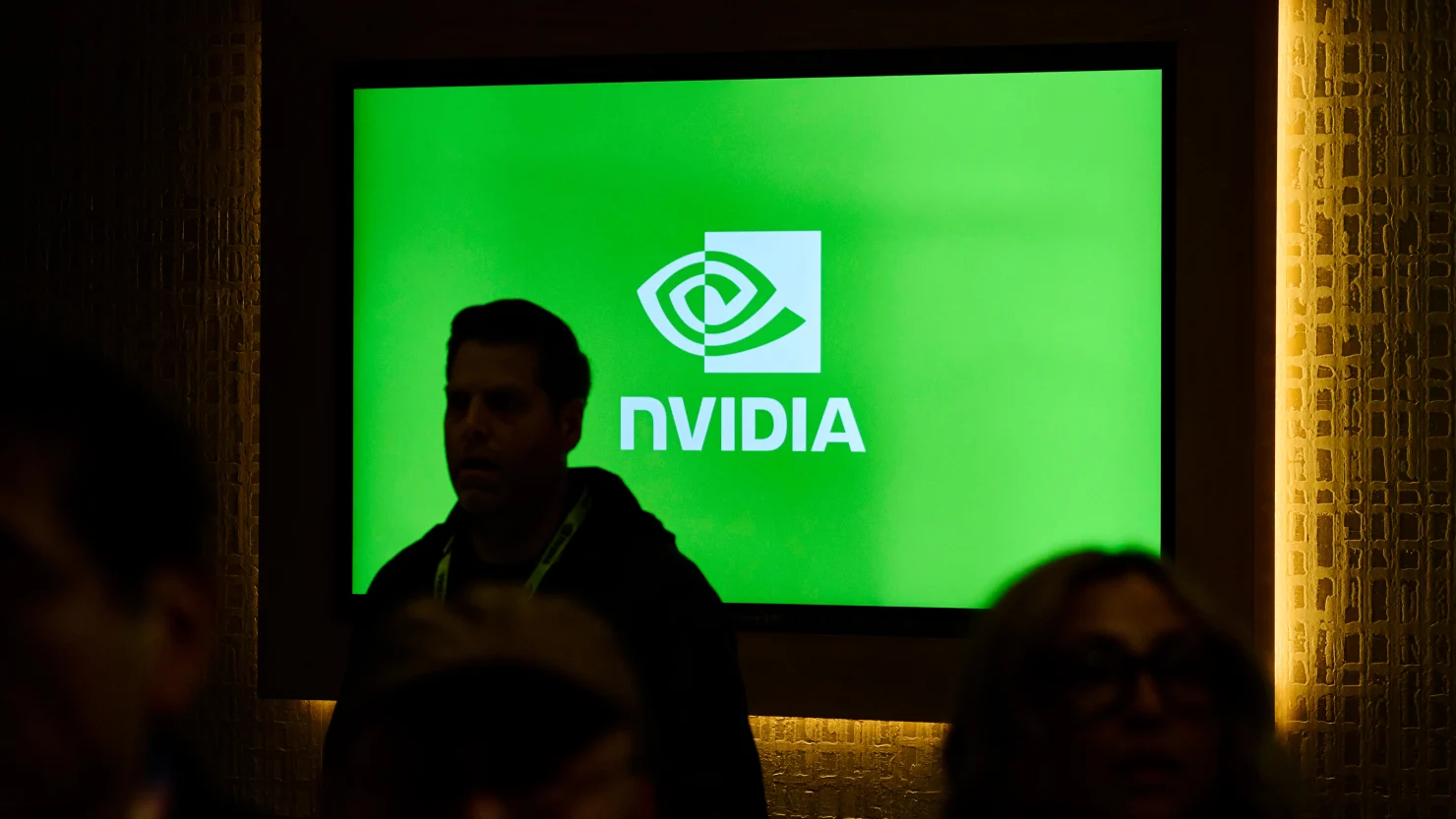
Signage ahead of the Nvidia Live event at CES 2026 in Las Vegas, Jan. 5, 2026.
Bridget Bennett | Bloomberg | Getty Images
Persis Drell Exits Nvidia Board
Persis Drell, a longtime member of Nvidia’s board of directors, officially resigned on Wednesday after serving just over a decade at the chipmaker, the company confirmed in an SEC filing. The 70-year-old Stanford engineering professor cited a desire to pursue a “new professional opportunity” as the reason for her departure, with Nvidia noting the decision was not related to any disagreements over company operations or policies.
Drell’s resignation marks the first board departure since astronaut Ellen Ochoa stepped down in June. With Drell’s exit, Nvidia’s board now consists of 10 directors, including CEO Jensen Huang.
Financial Stakes and Compensation
During her tenure, Drell accumulated roughly 143,000 Nvidia shares, valued at approximately $26 million based on the company’s current stock price. Last year, she earned around $344,000 for her board service, including nearly $259,000 in stock awards. She sold approximately 40,000 shares in 2025, a fraction of her total holdings, highlighting both her continued stake in Nvidia and the company’s meteoric stock growth.
Nvidia has experienced a staggering 22,000% increase in its stock price since 2015, fueled by surging demand for artificial intelligence technology and GPU innovation. This growth has positioned Nvidia as one of the most valuable technology companies in the world.
Career and Academic Achievements
Drell has been a prominent figure at Stanford University since 2002, holding key leadership roles across the engineering school. She served as dean of engineering from 2014 to 2017 and as Stanford’s provost from 2017 until 2023. She also directed Stanford’s SLAC National Accelerator Laboratory between 2007 and 2012, overseeing one of the world’s premier particle accelerator facilities.
Her tenure on Nvidia’s board, particularly as a member of the compensation committee, reflected her expertise in both science and organizational leadership. Board insiders note that her departure leaves a significant gap in technical and academic insight on Nvidia’s strategic committees.
Nvidia’s Next Steps
While Drell steps down, Nvidia continues to navigate a transformative period in the semiconductor industry, driven by AI expansion, cloud computing, and data center growth. Analysts say board stability will remain critical as the company manages regulatory scrutiny, global supply chain pressures, and the increasing integration of AI into enterprise solutions.
CEO Jensen Huang and the remaining directors now face the task of maintaining governance continuity and expertise on the board, particularly with shareholder expectations at an all-time high.
Drell’s departure is expected to prompt Nvidia to consider new board appointments, potentially bringing in individuals with experience in AI, enterprise technology, or global finance to match the company’s evolving priorities.
.webp)
Popular articles



Subscribe to unlock premium content
LEGO Boutique Flagship Stores Are Redefining Global Play

How Boutique Safari Camps in Kenya Are Creating Premium Eco Experiences

Discovering Southeast Asia’s Private Culinary Travel Boom

LEGO Boutique Flagship Stores Are Redefining Global Play
How Boutique Safari Camps in Kenya Are Creating Premium Eco Experiences
LEGO Boutique Flagship Stores Are Redefining Global Play