Nike Stock Slides as Turnaround Timeline Extends and China Weakness Intensifies

Nike Stock Slides as Turnaround Timeline Extends and China Weakness Intensifies
By
Rachel Steinberg
Last updated:
April 2, 2026
First Published:
April 25, 2026

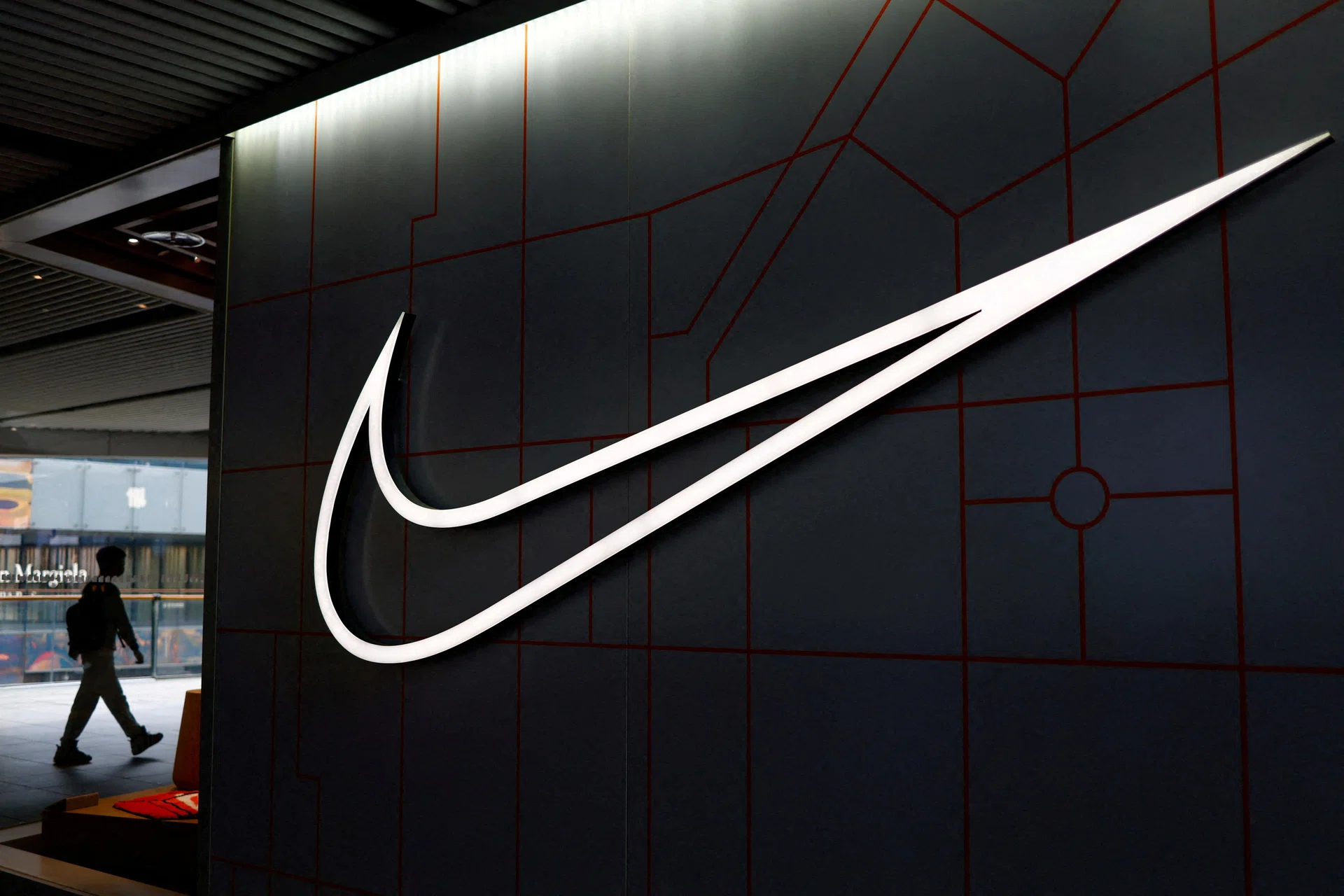
Photo: The Business Times
Nike is facing mounting pressure from investors as its long-anticipated turnaround continues to lag expectations, with fresh guidance signaling that meaningful recovery may still be more than a year away. Despite delivering earnings that slightly beat Wall Street forecasts for its fiscal third quarter, the company failed to reassure markets, triggering a sharp sell-off in its stock.
Shares dropped more than 15% following the earnings release, reflecting growing frustration among investors who had hoped to see clearer signs of a sustained rebound under CEO Elliott Hill’s leadership.
Revenue Outlook Signals Prolonged Weakness
The company’s updated outlook painted a cautious picture for the months ahead. Nike now expects revenue to decline by low single digits through the remainder of the year, with the current quarter projected to see a drop of between 2% and 4%. This marks a significant shift from earlier expectations of modest growth.
A major drag continues to be China, one of Nike’s most important international markets. The company anticipates sales in the region could fall by as much as 20% in the near term, even after accounting for favorable currency movements. This ongoing weakness is tied to a combination of softer consumer demand, increased competition from local brands, and Nike’s own efforts to restructure its product mix.
Executives indicated that efforts to streamline inventory, improve product positioning, and shift toward full-price sales in China will continue to weigh on performance through fiscal 2027, delaying any meaningful rebound in the region.
Margins Under Pressure Amid Rising Costs
Profitability remains another area of concern. Nike’s gross margin has declined for seven consecutive quarters, and the company has warned that external factors could make recovery even more challenging.
Rising input costs—driven in part by global supply chain disruptions and higher energy prices linked to geopolitical tensions—are expected to put additional pressure on margins. Transportation, manufacturing, and raw material costs have all become more volatile, complicating Nike’s efforts to stabilize profitability.
While management suggested that margins could begin to improve by the second quarter of fiscal 2027, the timeline remains uncertain and dependent on macroeconomic conditions.
Wall Street Downgrades Reflect Growing Skepticism
The disappointing outlook prompted a swift response from major financial institutions. Goldman Sachs, JPMorgan, and Bank of America all downgraded Nike’s stock, citing concerns over the extended turnaround timeline and limited near-term catalysts for growth.
Analysts noted that while Nike has shown strength in certain segments—particularly running products and its North American business—the overall recovery trajectory has been pushed further out than previously expected. The anticipated return to growth, once projected for early fiscal 2027, is now expected to take several additional quarters.
This delay reduces the likelihood of multiple expansion in the near term, meaning investors may see limited upside until clearer signs of recovery emerge.
Mixed Performance Across Key Segments
Not all aspects of Nike’s business are underperforming. The company continues to see solid demand in North America, its largest market, where both direct-to-consumer sales and wholesale channels are showing resilience.
Additionally, certain product categories, particularly performance running, have delivered encouraging results. Wholesale partnerships have also begun to stabilize after previous declines, contributing to pockets of growth within the broader business.
However, these positives have not been enough to offset the challenges in China and the broader operational reset taking place across the company.
Leadership Acknowledges Longer Path to Recovery
CEO Elliott Hill acknowledged that the turnaround is taking longer than initially anticipated, describing the process as complex and multifaceted. The company is working to rebuild its product pipeline, strengthen brand positioning, and recalibrate its distribution strategy—all of which require time to execute effectively.
Leadership maintains that the long-term direction remains intact, emphasizing a focus on innovation, brand storytelling, and operational discipline. However, the lack of a clearly defined timeline for recovery has contributed to investor uncertainty.
A Critical Period for Nike’s Transformation
Nike is at a pivotal moment in its transformation. The company is navigating a challenging macroeconomic environment while simultaneously attempting to reset key parts of its business. External pressures—from geopolitical instability to shifting consumer preferences—are adding layers of complexity to an already demanding turnaround effort.
For investors, the key question is no longer whether Nike can recover, but how long it will take—and at what cost. With growth now expected to remain subdued well into 2027, patience on Wall Street is clearly wearing thin.
The coming quarters will be crucial in determining whether Nike can regain momentum, rebuild confidence, and reestablish itself as a consistent growth story in the global retail and apparel market.
.webp)
Popular articles



Subscribe to unlock premium content
The Hidden World of Ultra-Rare Seaweed Farming

Riding Waves and Wealth in Bali

The Market for Renting Private Libraries Where Only Rare, Unpublished Manuscripts Exist

The Hidden World of Ultra-Rare Seaweed Farming
Riding Waves and Wealth in Bali
The Hidden World of Ultra-Rare Seaweed Farming