Nike Stock Slides After Earnings as China Slump and Tariffs Overshadow Beat

Nike Stock Slides After Earnings as China Slump and Tariffs Overshadow Beat
By
Rachel Steinberg
Last updated:
December 19, 2025
First Published:
December 19, 2025

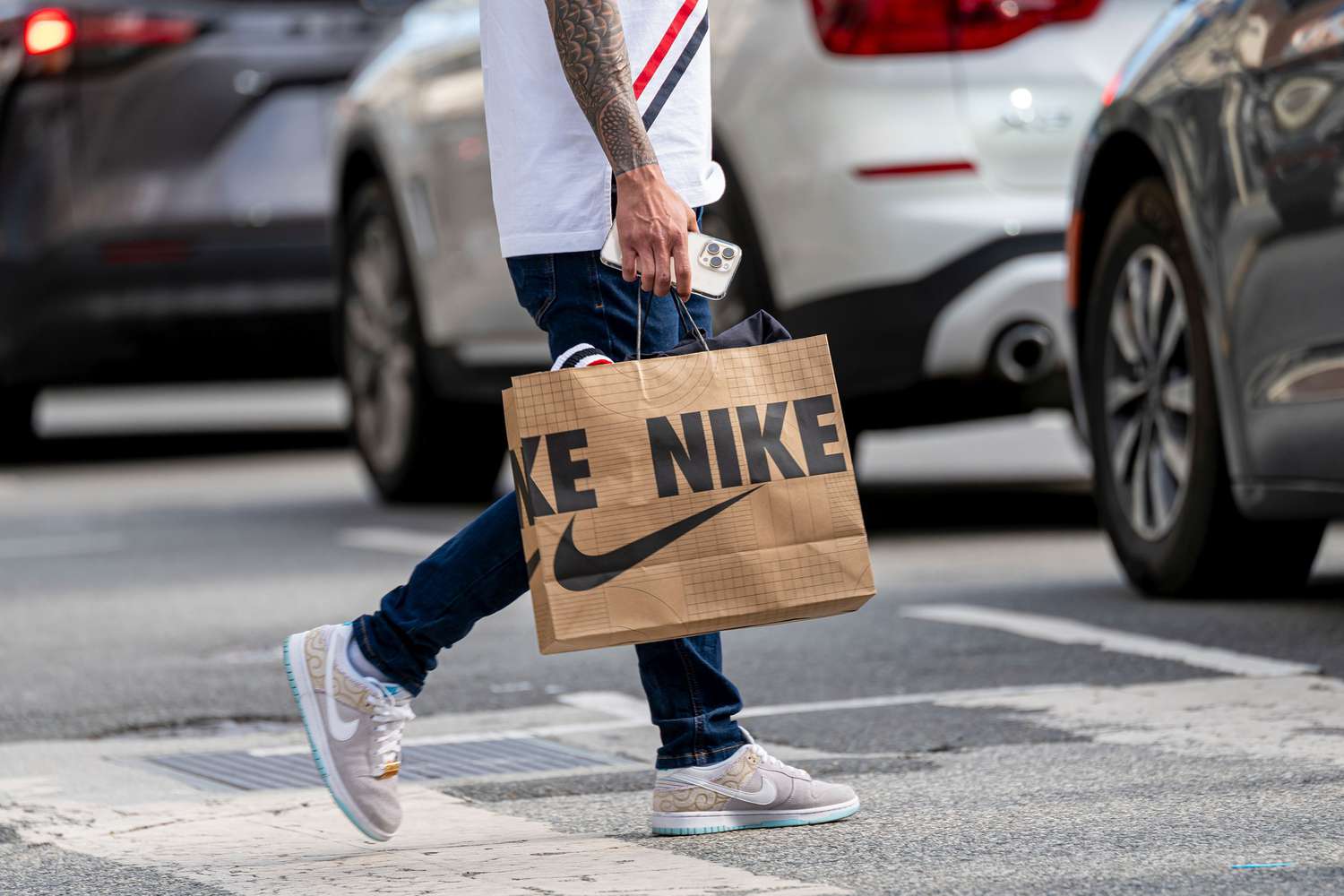
Getty Images
Market Reaction Despite Earnings Beat
Nike shares dropped roughly 10 percent in extended trading after the company reported fiscal second quarter results that exceeded Wall Street expectations. While earnings and revenue came in ahead of forecasts, investors focused on a steep decline in China sales and the growing drag from tariffs, which continue to squeeze margins and cloud the near term outlook.
The reaction underscores investor concern that Nike’s recovery remains uneven, with gains in North America unable to fully compensate for weakness in key international markets.
Quarterly Results at a Glance
For the second quarter of fiscal 2026, Nike delivered stronger than expected financial results, according to consensus estimates from LSEG.
Earnings per share came in at 53 cents, well above the 38 cents analysts had projected. Revenue reached $12.43 billion, topping expectations of $12.22 billion.
Despite the headline beat, regional performance told a more mixed story. North America revenue rose 9 percent to $5.63 billion, providing a crucial lift. In contrast, sales in Greater China fell 17 percent year over year to $1.42 billion, highlighting ongoing challenges in one of Nike’s most important growth markets.
China Remains a Key Weak Spot
China continues to weigh heavily on Nike’s overall performance. Management acknowledged that progress in the region has been slower than expected, even as the company invests in brand repositioning and operational changes.
Chief Executive Officer Elliott Hill said improvements in China are not happening at the speed or scale required to drive broader momentum, though he emphasized that the market remains one of Nike’s most significant long term opportunities.
The slowdown reflects a combination of cautious consumer spending, intense local competition, and geopolitical and trade related pressures that have made recovery more difficult than in other regions.
Turnaround Strategy in Progress
Nike is just over a year into Hill’s turnaround plan, which aims to restore growth, rebuild market share, and reset the company’s operating model. A central pillar of the strategy involves shifting back toward wholesale partners after years of prioritizing direct to consumer sales.
During the quarter, wholesale revenue increased 8 percent to $7.5 billion, signaling early traction from that pivot. Direct sales, however, fell 8 percent to $4.6 billion, reflecting Nike’s intentional pullback from aggressive digital discounting and inventory heavy online channels.
Hill described fiscal 2026 as a year of decisive action, focused on streamlining classic product lines, restoring Nike’s digital platforms to a premium experience, diversifying the product portfolio, and strengthening relationships with retail partners.
Tariffs and Margin Pressure
Tariffs remain a significant headwind. Nike reported that gross margin declined by about 3 percentage points during the quarter, driven largely by higher trade related costs. Inventories fell 3 percent, partly reflecting efforts to manage tariff exposure and clear older stock.
Looking ahead, the company expects third quarter revenue to decline by a low single digit percentage, with modest growth in North America. Nike also forecast a further gross margin decline of 1.75 to 2.25 percentage points, including an estimated 3.15 percentage point impact from tariffs alone.
Converse and Brand Performance
Nike’s Converse brand continued to struggle. After reporting a 27 percent revenue drop in the prior quarter, Converse sales declined another 30 percent in the second quarter, underscoring ongoing brand and demand challenges within that segment.
Despite these pressures, Nike highlighted pockets of strength. Chief Financial Officer Matt Friend said Nike.com delivered its strongest Black Friday performance on record, boosted in part by strong demand for the Air Jordan “Black Cat” release.
New Products and Internal Changes
Nike is preparing to launch a new footwear platform called Nike Mind in January, designed to support athletes’ preparation for training and competition. Management sees innovation and performance driven products as critical to reigniting consumer engagement.
Internally, the company has also made leadership changes to simplify its structure and accelerate decision making. As part of its “Win Now” strategy, Nike announced the departure of Chief Commercial Officer Craig Williams and other moves aimed at removing management layers.
Hill described the changes as growth focused, positioning the company to move more aggressively as it works through the turnaround.
Stock Performance and Outlook
Nike shares are down more than 13 percent year to date as of Thursday’s close, reflecting investor skepticism about the pace of recovery and the impact of external pressures such as tariffs and China demand.
While the latest results show signs of stabilization in core markets like North America, the sharp market reaction suggests investors want clearer evidence that Nike can regain momentum globally and rebuild profitability in a more challenging trade and consumer environment.

Popular articles


Subscribe to unlock premium content
The New Wave of Superyacht Ownership

Micro-Experience Convenience Stores Are Reinventing Quick Stops

Custom Vans for Digital Nomads Redefine Mobility

The New Wave of Superyacht Ownership
Micro-Experience Convenience Stores Are Reinventing Quick Stops
The New Wave of Superyacht Ownership