Nike Slashes 1,400 Jobs in Latest Restructuring Push to Accelerate Growth Strategy

Nike Slashes 1,400 Jobs in Latest Restructuring Push to Accelerate Growth Strategy
By
Rachel Steinberg
Last updated:
April 24, 2026
First Published:
April 24, 2026

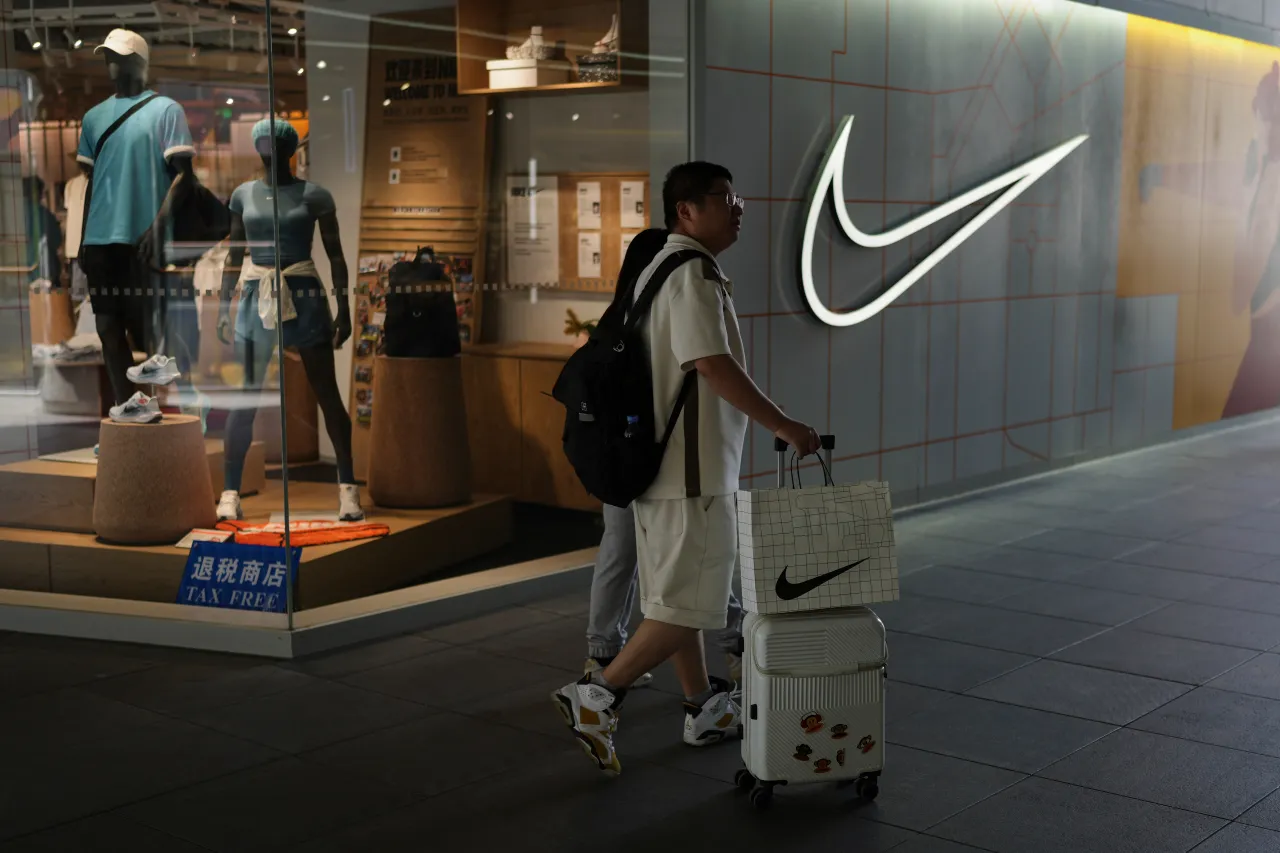
Nike is moving aggressively to streamline operations, announcing a fresh round of approximately 1,400 job cuts as part of a broader restructuring initiative aimed at reigniting growth and improving efficiency.
The layoffs, which primarily impact the company’s technology division, represent Nike’s second major workforce reduction this year. Earlier in January, the company had already eliminated around 775 roles, bringing the total number of cuts in 2026 to over 2,100 positions. The move reflects a deliberate shift in how the company allocates resources in an increasingly competitive global market.
A Strategic Reset Under the “Win Now” Plan
Nike has framed the layoffs as a key component of its “Win Now” strategy, an internal transformation effort focused on accelerating innovation, simplifying operations, and driving faster decision-making across the organization.
The strategy emphasizes reallocating investment toward high-impact areas such as product innovation, direct-to-consumer channels, and digital commerce. By trimming roles—particularly in overlapping or non-core functions—Nike aims to reduce operational complexity and improve margins.
Executives have indicated that the restructuring is less about cost-cutting alone and more about repositioning the company for long-term growth in a rapidly evolving retail and technology landscape.
Why Technology Teams Are Taking the Hit
A significant portion of the layoffs is concentrated within Nike’s technology units. Over the past few years, the company had expanded its digital and tech workforce to support e-commerce growth, data analytics, and platform development.
However, as digital demand stabilizes post-pandemic and companies across industries reassess spending, Nike appears to be consolidating its tech operations. This includes reducing redundancies, outsourcing certain functions, and focusing on core capabilities that directly support revenue generation.
Industry analysts note that many large corporations are undergoing similar recalibrations, shifting from rapid hiring phases to efficiency-driven models.
Broader Industry Context
Nike’s workforce reductions are part of a wider trend across the retail and apparel sector. Slower consumer spending, inventory challenges, and shifting demand patterns have pushed companies to tighten budgets and improve profitability.
Global sportswear competitors are also investing heavily in innovation, marketing, and digital ecosystems, increasing pressure on Nike to maintain its leadership position. In this environment, operational discipline and strategic clarity are becoming just as important as brand strength.
Financial and Market Implications
From a financial perspective, restructuring efforts like these are typically aimed at boosting operating margins and freeing up capital for strategic investments. Analysts estimate that workforce reductions of this scale could result in annual cost savings running into hundreds of millions of dollars.
Investors often view such moves as a sign of proactive management, particularly when paired with a clear growth strategy. However, there are also risks, including potential disruptions to internal operations and employee morale.
What This Means Going Forward
Nike’s latest layoffs signal a decisive shift toward a leaner, more focused organization. The company is betting that by cutting excess layers and prioritizing high-return initiatives, it can better navigate a challenging economic environment while positioning itself for the next phase of growth.
As the retail and sportswear landscape continues to evolve, Nike’s ability to balance cost efficiency with innovation will be critical. The success of its “Win Now” strategy will ultimately depend on whether these structural changes translate into stronger performance, both financially and competitively.
.webp)
Popular articles



Subscribe to unlock premium content
Chilling Luxury in the Arctic
The $80 Million Market for Luxury Indoor Vertical Gardens

Stars, Silence, and Luxury in Chile
Chilling Luxury in the Arctic
The $80 Million Market for Luxury Indoor Vertical Gardens
Chilling Luxury in the Arctic