India’s Smaller Cities Are Driving the Next E-Commerce Boom

India’s Smaller Cities Are Driving the Next E-Commerce Boom
By
Leah Rosenfeld
Last updated:
April 17, 2026
First Published:
April 17, 2026

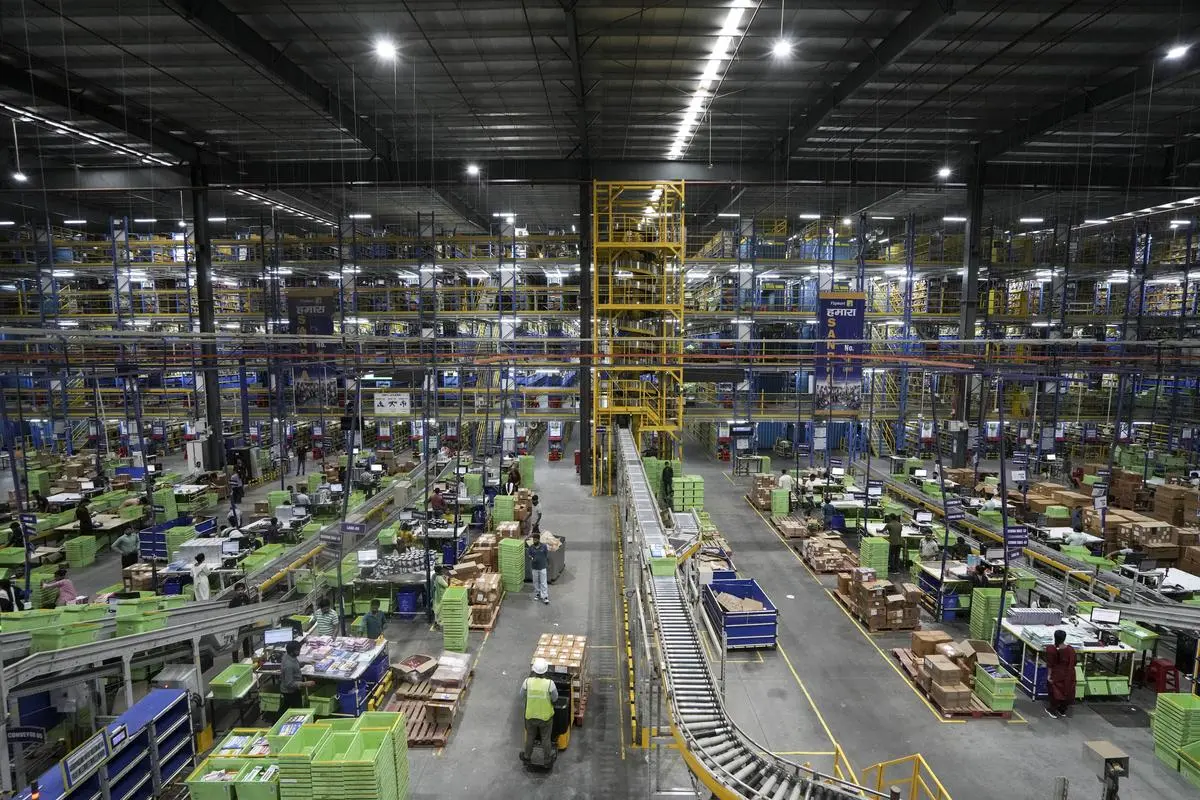
India’s e-commerce sector is undergoing a major transformation, with growth increasingly powered by smaller cities and towns rather than traditional metropolitan strongholds. What was once a metro-driven market is now being reshaped by a new wave of consumers from Tier 2 and Tier 3 locations, fueling one of the fastest expansions in global online retail.
Between 2020 and 2025, India’s e-commerce market recorded a compound annual growth rate of around 23%, making it the fastest-growing major market worldwide. Despite this rapid expansion, online shopping penetration remains relatively low, with only about 30% of the population shopping online—far behind China’s 92% and the United States’ 74%. This gap highlights the massive untapped potential that continues to attract global investment.
Smaller Cities Become the Growth Engine
The most significant shift in India’s e-commerce landscape is the rise of non-metro consumers. Smaller cities and towns now account for more than 60% of online shoppers and generate a similar share of total orders, signaling a fundamental change in consumer behavior.
This shift is not just about numbers—it reflects a deeper transformation in access and aspiration. Consumers in these regions are increasingly adopting digital platforms for everything from daily essentials to premium lifestyle products. Improved internet connectivity, affordable smartphones, and widespread adoption of digital payments have played a critical role in enabling this transition.
Industry estimates suggest that India now has roughly 300 million online shoppers, with the majority of new users coming from outside major urban centers. By 2030, the number of e-commerce users in smaller cities is expected to significantly outpace those in metros.
A Market Still in Early Stages
Despite its rapid growth, e-commerce remains a relatively small part of India’s overall economy. The sector currently contributes around 1.6% to the country’s GDP, compared to 4%–4.5% in Indonesia and as much as 13%–14% in China.
This under-penetration is precisely what makes India so attractive to global players. Analysts project the market could reach $250 billion in value by 2030, driven by both an expanding user base and increasing average spending per consumer.
Monthly spending per user is also expected to rise steadily, potentially increasing from around $25 today to approximately $45 by the end of the decade, reflecting greater purchasing power and deeper engagement with online platforms.
Amazon and Flipkart Dominate the Landscape
The competitive landscape remains largely dominated by two giants: Amazon and Walmart-owned Flipkart Group. Flipkart, which operates platforms such as Myntra and Shopsy, is widely considered the market leader, holding an estimated 48% share of India’s e-commerce market.
Amazon follows with a market share ranging between 30% and 35%, and continues to invest aggressively to close the gap. The company has committed tens of billions of dollars to expand its operations in India, including efforts to digitize over 12 million small businesses and strengthen its logistics network.
This intense competition is driving innovation, particularly in delivery speed, product variety, and customer experience.
Quick Commerce Reshapes Consumer Behavior
One of the most important trends accelerating growth in smaller cities is the rise of quick commerce. Defined by delivery times of under 20 minutes, this model has rapidly evolved from a niche urban convenience to a mainstream shopping channel.
Initially popularized by companies like Swiggy and Eternal, quick commerce is now being aggressively adopted by larger platforms. Flipkart has already expanded its ultra-fast delivery services to around 30 cities, while Amazon is scaling its own offering, Amazon Now.
Early data shows strong traction. Amazon reports that orders through its quick commerce service are growing at roughly 25% month over month, with Prime users significantly increasing their purchase frequency after adopting the service.
Interestingly, while quick commerce in major cities is often used for groceries and essentials, in smaller cities it is increasingly becoming a gateway to premium and aspirational products—from international beauty brands to high-end electronics.
Infrastructure and Digital Adoption Drive Expansion
The rapid rise of e-commerce in smaller cities would not have been possible without major improvements in infrastructure. Over the past decade, India has seen widespread rollout of low-cost high-speed internet, including 5G networks, along with the explosive growth of Unified Payments Interface (UPI)-based digital transactions.
Better road connectivity and logistics networks have also made it easier for companies to deliver goods efficiently to previously underserved regions. These developments have effectively leveled the playing field, allowing consumers in smaller towns to access the same products and experiences as those in major cities.
At the same time, social media has played a powerful role in shaping demand. Consumers across the country are now exposed to the same global trends in fashion, fitness, and lifestyle, driving interest in products that were once limited to urban markets.
The Road Ahead
India’s e-commerce story is still in its early chapters, but the direction is clear. The next phase of growth will be driven not by metros, but by millions of consumers in smaller cities who are rapidly embracing digital commerce.
For companies like Amazon and Flipkart, success will depend on how effectively they can tailor their offerings to these emerging markets—balancing affordability, speed, and product diversity.
As infrastructure improves and digital adoption deepens, India is set to become one of the most important battlegrounds in global e-commerce, with smaller cities leading the charge into the next era of online retail.
.webp)
Popular articles



Subscribe to unlock premium content
How a Small Italian Leather Workshop Became a Favorite Among Luxury Designers
Why Collecting Rare Artisanal Teas Has Become a Multi-Million-Dollar Hobby

Switzerland’s Secret to Exceptional Peacefulness

How a Small Italian Leather Workshop Became a Favorite Among Luxury Designers
Why Collecting Rare Artisanal Teas Has Become a Multi-Million-Dollar Hobby
How a Small Italian Leather Workshop Became a Favorite Among Luxury Designers