
Nancy Pelosi to Retire After Nearly Four Decades in Congress

Nancy Pelosi to Retire After Nearly Four Decades in Congress
By
Alina Sinclair
Last updated:
November 7, 2025
First Published:
November 30, 2025

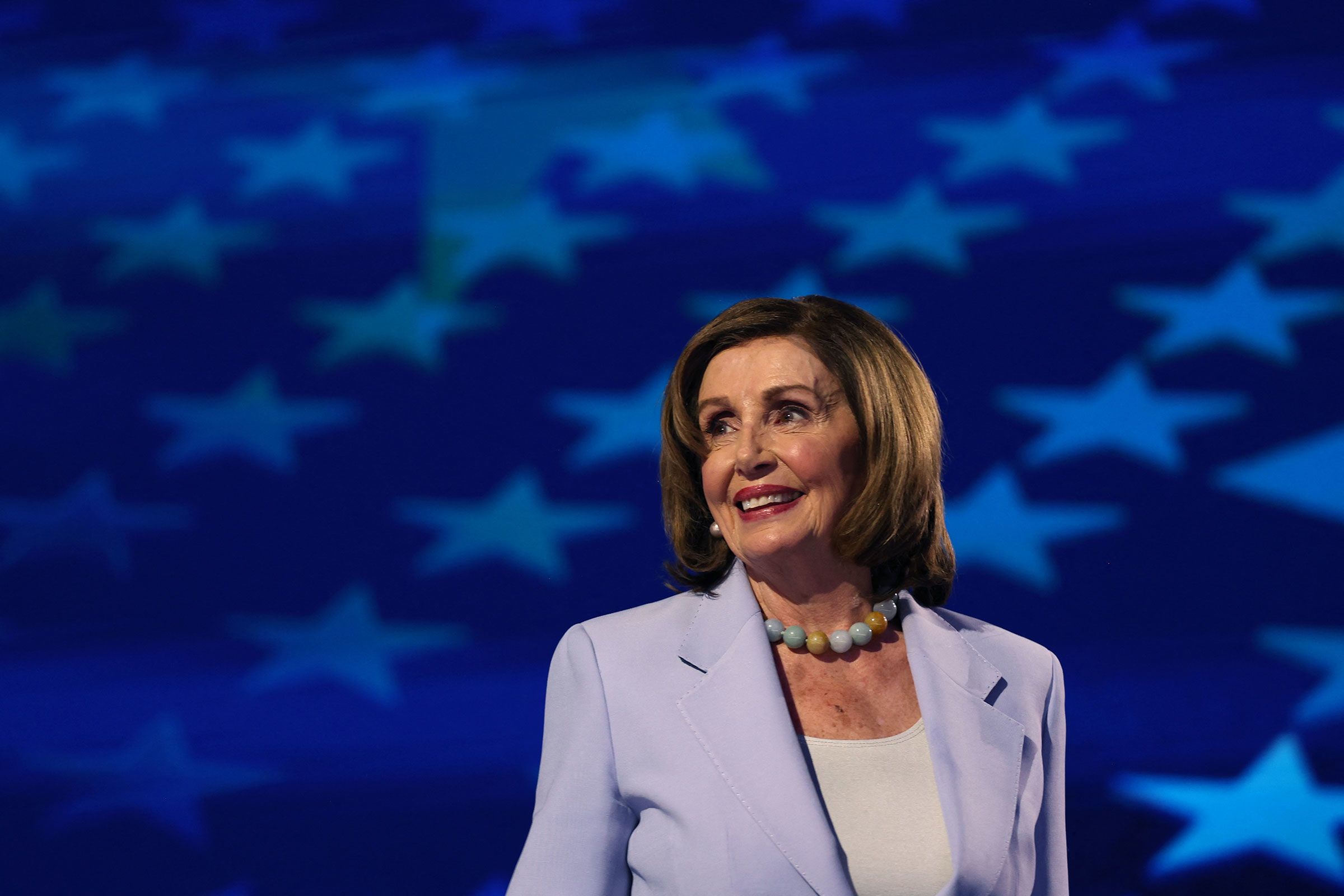
Photo: CNN
After almost 40 years in the U.S. House of Representatives, Nancy Pelosi, the California Democrat who shattered glass ceilings as the first woman to serve as Speaker of the House, announced she will not seek reelection in 2026. The 85-year-old lawmaker, a towering figure in American politics, revealed her decision in a heartfelt video message shared on social media.
“There has been no greater honor for me than to stand on the House floor and say, ‘I speak for the people of San Francisco,’” Pelosi said. “I have truly loved serving as your voice in Congress. That is why I want you, my fellow San Franciscans, to be the first to know: I will not be seeking reelection to Congress.”
A Historic Career Spanning Generations
Pelosi’s retirement marks the end of an era. First elected to Congress in 1987, she rose rapidly through Democratic ranks, becoming House Minority Leader in 2002. Five years later, when Democrats took control of the chamber, Pelosi became the first woman in U.S. history to hold the Speaker’s gavel — a position she would hold twice, from 2007 to 2011 and again from 2019 to 2023.
Throughout her tenure, Pelosi became known as a master strategist and formidable vote counter, guiding her party through some of the most consequential political moments in modern history. Under her leadership, the House passed transformative legislation, including President Barack Obama’s Affordable Care Act, which extended health coverage to more than 20 million Americans and reshaped the country’s healthcare system.
She also played a critical role in advancing major economic stimulus bills during the 2008 financial crisis and again in 2020 during the pandemic, pushing for strong social safety nets and infrastructure investments.
A Political Powerhouse and Trump’s Most Vocal Foe
Pelosi’s time in leadership was defined by her sharp political instincts and her often combative relationship with former President Donald Trump. Their clashes became iconic symbols of America’s deep political divide.
In 2019, during a tense White House meeting over the withdrawal of U.S. troops from Syria, Pelosi was photographed standing and pointing at Trump across the table — an image she later made her Twitter banner. She presided over Trump’s first impeachment, where the House charged him with abuse of power and obstruction of Congress related to his dealings with Ukraine.
Though Trump was acquitted in the Senate, Pelosi’s actions cemented her as one of his most relentless adversaries. More recently, in a CNN interview, she described Trump as a “vile creature” and “the worst thing on the face of the Earth,” underscoring her continued disdain for the former president’s political style.
Trump, in turn, responded to her retirement announcement by calling it “a great thing for America,” telling Fox News that Pelosi was “evil, corrupt, and highly overrated.”
Legacy of Leadership and Controversy
Pelosi’s impact on American politics cannot be overstated. She navigated razor-thin majorities, managed deep ideological divides within her own party, and consistently delivered legislative wins when many thought it impossible.
Her leadership helped steer the passage of landmark bills like the Dodd-Frank Wall Street Reform Act, the American Rescue Plan, and climate-focused provisions within the Inflation Reduction Act. She was also a vocal advocate for women’s rights, LGBTQ+ equality, and expanded child care and education funding.
However, Pelosi’s tenure was not without controversy. Critics often accused her of partisanship and political calculation. Yet even opponents acknowledged her unmatched skill in managing the complexities of congressional politics.
Reactions from Across the Political Spectrum
Pelosi’s announcement drew tributes from across the Democratic establishment. California Governor Gavin Newsom praised her leadership, saying, “Nancy Pelosi has inspired generations. Her courage and conviction have set the standard for what public service should be. Her impact on this nation is unmatched.”
President Joe Biden also released a statement calling Pelosi “the most effective Speaker in American history,” highlighting her role in “defending democracy and advancing progress for working families.”
Meanwhile, Republicans, though long critical of her politics, acknowledged her influence. “You may not agree with her,” one GOP lawmaker commented anonymously, “but you can’t deny her effectiveness.”
The End of an Era
With Pelosi stepping away, Democrats face a significant generational shift. Her departure follows that of several long-serving members of Congress, signaling a broader transition in Democratic leadership.
Pelosi, who will serve out her final term through early 2027, leaves behind a monumental legacy — one built on persistence, discipline, and an unyielding belief in the power of governance.
“For nearly four decades, Nancy Pelosi has been at the heart of the nation’s most consequential debates,” said historian Julian Zelizer. “Her departure marks not just the end of a political career, but the close of a chapter in American legislative history.”
As Pelosi herself put it in her farewell message: “With a grateful heart, I look forward to my final year of service as your proud representative. The future is bright, and it’s time for a new generation to carry the torch.”
.webp)
Popular articles



Subscribe to unlock premium content
How Finland Uses Ice Swimming Festivals to Boost Winter Tourism and Local Economies

The Boom of Luxury Personal Libraries Renting Rare Books to the Ultra-Wealthy

Why Bhutan’s Hand-Woven Textiles Are Gaining Global Collector Value

How Finland Uses Ice Swimming Festivals to Boost Winter Tourism and Local Economies
The Boom of Luxury Personal Libraries Renting Rare Books to the Ultra-Wealthy
How Finland Uses Ice Swimming Festivals to Boost Winter Tourism and Local Economies


