
Modi Warns India Faces Major Economic Pressure From Iran Conflict as Government Pushes Fuel and Import Cuts

Modi Warns India Faces Major Economic Pressure From Iran Conflict as Government Pushes Fuel and Import Cuts
By
Augusta Parker
Last updated:
May 11, 2026
First Published:
May 11, 2026

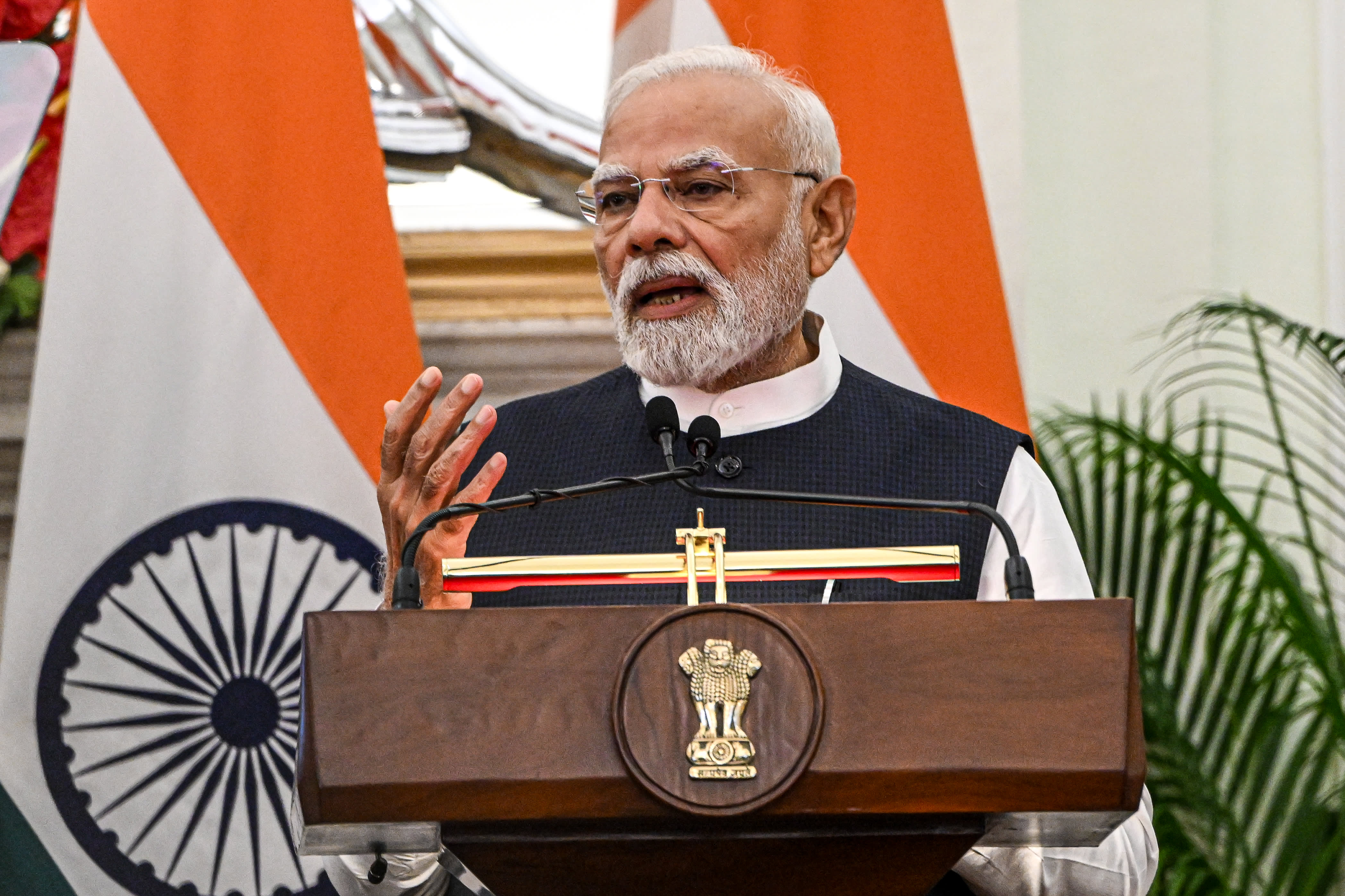
Indian Prime Minister Narendra Modi has issued one of his strongest public warnings yet about the economic dangers posed by the escalating Iran conflict, urging citizens to cut fuel consumption, reduce international travel, and temporarily avoid buying gold as the country faces mounting pressure from soaring global energy prices.
Speaking during a public address in Hyderabad, Modi said the ongoing instability in the Middle East represents a serious threat to India’s economic stability, trade balance, and currency strength. The Prime Minister called on households and businesses to help reduce pressure on the economy by conserving energy and limiting non-essential foreign spending.
The comments come as oil markets remain volatile following rising tensions between the United States, Iran, and Israel, with fears growing over prolonged disruptions near the Strait of Hormuz — one of the world’s most critical energy shipping routes.
India Faces Heavy Exposure to Global Energy Shocks
India remains one of the most energy-dependent major economies in the world, making it particularly vulnerable to rising crude oil prices.
The country imports nearly 85% of its total fuel requirements and relies heavily on shipments moving through the Strait of Hormuz. Roughly half of India’s crude oil imports pass through the strategic waterway, along with approximately 60% of its liquefied natural gas supplies and nearly all imported liquefied petroleum gas used for cooking and household energy.
As geopolitical tensions intensify, energy costs have climbed sharply across global markets.
Oil prices recently surged above major psychological levels after U.S. President Donald Trump rejected Iran’s latest proposal aimed at ending the conflict. The setback in negotiations reduced hopes for a near-term diplomatic resolution and increased fears of prolonged instability across Middle Eastern energy markets.
For India, higher oil prices immediately translate into a larger import bill, increased inflation risks, and additional pressure on the country’s external finances.
Modi Calls for Fuel Conservation and Lower Overseas Spending
In response to the growing economic strain, Modi urged citizens to adopt measures aimed at reducing fuel consumption and preserving foreign currency reserves.
The Prime Minister encouraged greater use of public transportation, remote work arrangements, and carpooling to lower domestic fuel demand. He also advised Indians to reduce discretionary foreign travel and temporarily slow gold purchases, both of which place additional pressure on the country’s foreign exchange reserves.
India is one of the world’s largest gold importers, second only to China. Gold purchases remain deeply connected to household savings, weddings, festivals, and investment habits across the country. However, large-scale gold imports also contribute heavily to India’s trade deficit because the metal is primarily purchased using foreign currency.
Analysts say Modi’s comments reflect growing concern within the government about maintaining stability in the rupee and controlling the widening current account deficit.
The Indian rupee has already weakened significantly against the U.S. dollar and is trading near record lows as investors react to rising oil prices and global market volatility.
India’s Massive Import Dependence Raises Economic Risks
The scale of India’s import exposure highlights why policymakers are becoming increasingly cautious.
During the financial year ending March 2026, India spent approximately $174.9 billion on crude oil and petroleum-related imports, accounting for roughly 22% of the country’s total imports.
Gold imports added another major burden, with India spending nearly $72 billion on gold purchases during the same period.
Foreign travel spending has also risen sharply in recent years. More than 32 million Indians traveled abroad in 2025, including over 14 million leisure travelers, increasing demand for foreign currency outflows at a time when the government is trying to preserve reserves.
Economists warn that sustained energy inflation could significantly widen India’s trade deficit and create additional pressure on government finances.
Stock Market Reacts to Modi’s Warning
Indian financial markets responded quickly to the government’s cautious messaging.
Shares of jewelry companies fell sharply following Modi’s comments, reflecting concerns that weaker gold demand could affect sales across the luxury retail sector.
Titan Company, part of the Tata Group, dropped nearly 6% during early trading, while several other jewelry-related stocks recorded declines of up to 10%.
Airline shares also came under pressure as investors assessed the impact of higher fuel costs and potential reductions in international travel demand.
IndiGo fell nearly 3% after the Prime Minister’s remarks. The airline has been aggressively expanding overseas operations and previously announced plans for international routes to account for roughly 40% of its daily services by 2030.
Rising aviation fuel prices, combined with weaker outbound travel demand, could complicate growth plans for carriers across the region.
Government Tries to Shield Consumers From Fuel Inflation
Despite the pressure on public finances, India’s government has so far avoided passing higher oil costs directly onto consumers.
Retail fuel prices at gas stations have largely remained stable even as global crude prices climbed sharply. Instead of increasing prices at the pump, authorities have chosen to reduce taxes and absorb part of the financial burden to protect households and businesses from sudden inflation shocks.
This approach has helped maintain stable fuel demand across the country, preventing a sharper slowdown in economic activity.
However, economists warn that the strategy may become increasingly difficult to sustain if global oil prices remain elevated for an extended period.
Maintaining stable fuel prices while import costs rise significantly could eventually strain government revenues and increase fiscal pressure.
Economists Warn of Slower Growth Ahead
Several economists and financial institutions have already downgraded India’s economic outlook due to the Middle East crisis and rising energy costs.
Analysts at major global banks recently lowered their forecasts for India’s economic growth during the financial year ending March 2027, citing what they described as a historically severe energy shock with uneven economic risks.
Experts say the combination of rising import costs, weakening currency conditions, and softer consumer confidence could slow investment activity and pressure household spending over the coming quarters.
Still, some policymakers and former diplomats believe India remains resilient enough to avoid a major economic crisis if geopolitical tensions stabilize relatively soon.
Pressure Builds for Tougher Economic Measures
Markets are also closely watching whether Modi’s government introduces additional economic measures in the months ahead.
Analysts had expected the administration to roll out tougher fiscal or economic policies following recent regional election victories by Modi’s Bharatiya Janata Party. However, major new reforms or austerity measures have not yet materialized.
Earlier this year, India’s chief economic advisor warned that the country’s trade deficit could rise significantly during the next financial year if energy prices remained elevated.
Officials suggested the burden would likely need to be shared between the government, households, and businesses through a combination of fiscal support, reduced consumption, and controlled spending.
For now, India is attempting to balance economic stability with consumer protection while navigating one of the most volatile global energy environments in recent years.
But with oil prices climbing, the rupee weakening, and geopolitical tensions showing little sign of easing, pressure on Asia’s third-largest economy may continue building in the months ahead.
.webp)
Popular articles



Subscribe to unlock premium content
Why Estonia’s Old Town Digital Nomad Hubs Are Attracting High-Paying Tech Freelancers

The Tiny Island of Tristan da Cunha and Its Rare Luxury Wildlife Observation Economy

Chocolate Escapes in São Tomé

Why Estonia’s Old Town Digital Nomad Hubs Are Attracting High-Paying Tech Freelancers
The Tiny Island of Tristan da Cunha and Its Rare Luxury Wildlife Observation Economy
Why Estonia’s Old Town Digital Nomad Hubs Are Attracting High-Paying Tech Freelancers


