Millions Lose Food Assistance as SNAP Cuts Reshape America’s Safety Net

Millions Lose Food Assistance as SNAP Cuts Reshape America’s Safety Net
By
Augusta Parker
Last updated:
June 1, 2026
First Published:
June 1, 2026

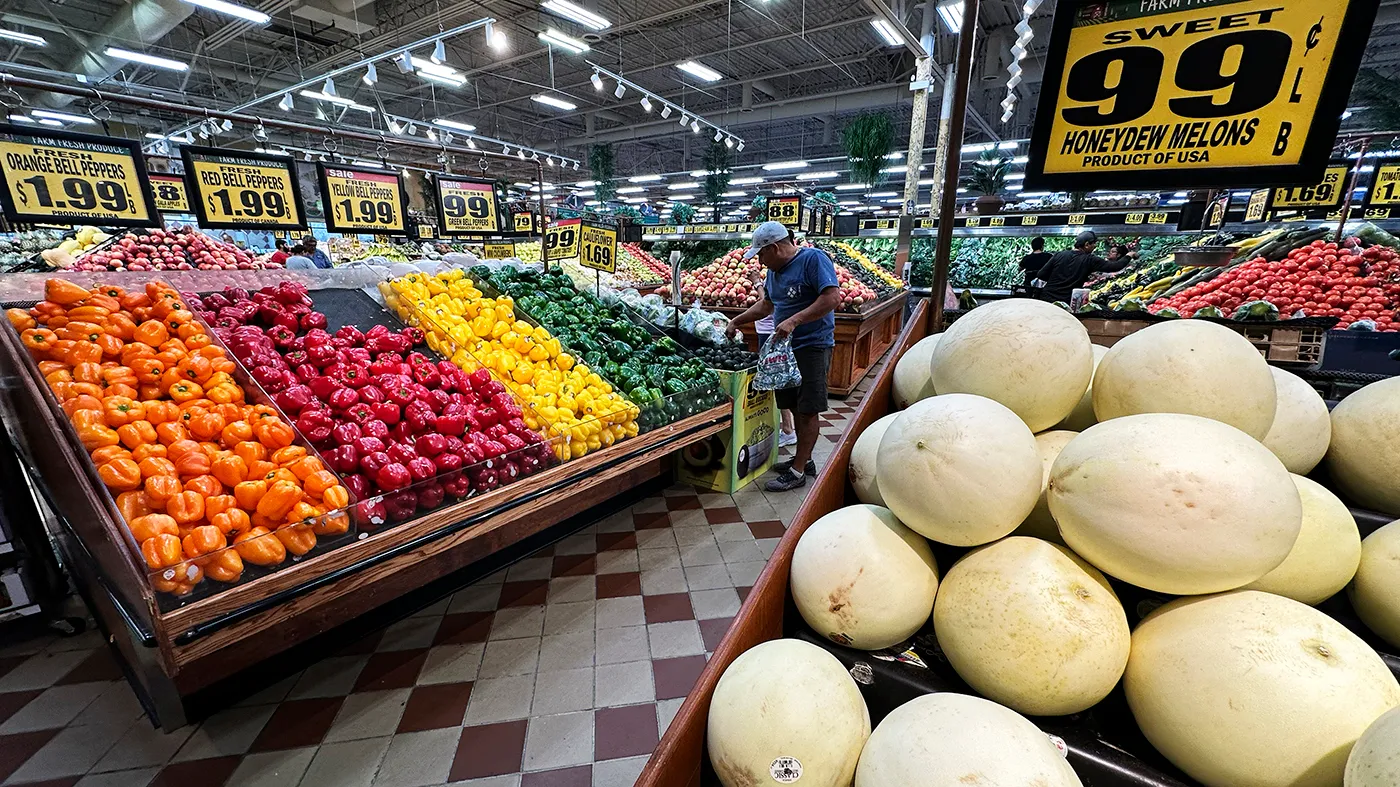
Photo: The Hill
A sweeping overhaul of the United States’ food assistance system is beginning to have a measurable impact on millions of Americans. Since new SNAP reforms were enacted under President Donald Trump’s "One Big Beautiful Bill Act," more than 3.5 million people have lost access to food assistance benefits, according to recent policy analysis.
The reductions come at a time when many households are already struggling with higher grocery prices, rising utility bills, elevated fuel costs, and persistent inflationary pressures. While supporters of the legislation argue the reforms improve accountability and reduce government spending, advocates warn that the changes are increasing food insecurity for some of the nation’s most vulnerable populations.
With states still implementing portions of the law, experts believe the full impact of the cuts has yet to be felt.
SNAP Participation Falls Across the Country
The Supplemental Nutrition Assistance Program (SNAP), formerly known as food stamps, remains the largest anti-hunger program in the United States.
In fiscal year 2025, nearly 42 million Americans relied on SNAP benefits to help purchase food. However, recent data indicates participation has dropped significantly since the legislation took effect.
According to policy researchers, more than 3.5 million beneficiaries lost access to benefits between July and February, representing nearly 9% of all recipients nationwide.
What makes the decline particularly notable is that it has occurred despite a relatively stable labor market. National unemployment has remained close to 4%, suggesting that reduced participation is not primarily being driven by improved economic conditions.
Instead, analysts point to policy changes, administrative hurdles, and expanded eligibility requirements as the primary drivers behind the decline.
What Changed Under the New Law?
The legislation introduced approximately $187 billion in SNAP spending reductions over the coming years, making it one of the largest restructurings of the program in decades.
Several major changes were implemented.
States are now responsible for covering a portion of SNAP benefit costs that were previously funded entirely by the federal government.
At the same time, stricter work requirements have expanded eligibility restrictions for several groups.
Under previous rules, certain adults without dependents could receive benefits for only three months every three years unless they worked at least 20 hours per week or qualified for an exemption.
The updated law broadens those requirements to include:
• Adults aged 55 to 64
• Parents with children aged 14 and older
• Certain veterans
• Individuals experiencing homelessness
• Former foster youth
In addition, some categories of legal non-citizen residents are no longer eligible for benefits.
Supporters argue the reforms encourage workforce participation and strengthen program oversight. Critics contend that many recipients face barriers that make compliance difficult despite actively seeking employment.
States Experience Sharp Declines in Enrollment
While SNAP participation has decreased nationwide, some states have experienced particularly dramatic declines.
Arizona has reported one of the largest reductions, with data suggesting more than half of prior SNAP recipients have lost benefits.
Louisiana has seen participation decline by roughly 20%, while Tennessee and Virginia have experienced decreases approaching 16% and 15%, respectively.
Researchers note that some states entered the transition period already struggling with staffing shortages, administrative backlogs, and processing delays. Those existing challenges have amplified the effects of the new requirements.
The result has been a significant increase in application reviews, documentation requests, and eligibility verifications.
Rising Costs Increase Financial Pressure
The SNAP reductions are occurring against a backdrop of continued cost-of-living challenges.
Food prices remain significantly higher than pre-pandemic levels, while housing, healthcare, transportation, and utility costs continue to strain household budgets.
Economic forecasters expect inflation to remain elevated compared with historical averages, adding further pressure on lower-income families.
For households already operating on tight budgets, even modest reductions in food assistance can create difficult financial tradeoffs.
Many recipients depend on SNAP to supplement limited income and cover essential nutritional needs throughout the month.
Without those benefits, families often face difficult choices between food, rent, healthcare, transportation, and other necessities.
Administrative Challenges Become a Major Barrier
Beyond the eligibility changes themselves, many applicants are encountering increased administrative requirements.
Experts report that beneficiaries are being asked to provide additional documentation, complete more verification steps, and navigate increasingly complex application processes.
The effort to reduce payment errors has resulted in stricter review procedures and greater scrutiny of applications.
While intended to improve program accuracy, critics argue these measures are creating unintended consequences.
Many applicants struggle to submit paperwork on time, respond to repeated information requests, or navigate lengthy review periods.
Others become discouraged and abandon applications altogether.
Advocates describe the process as increasingly burdensome, particularly for seniors, individuals with disabilities, and those with limited access to transportation, internet services, or legal assistance.
Food Banks Face Growing Demand
As SNAP participation declines, food banks across the country are reporting increased demand.
Community organizations are seeing more families seeking emergency food assistance as federal benefits become harder to access.
Many charitable organizations have expanded food drives and fundraising efforts to respond to rising need.
However, hunger relief groups consistently emphasize that charitable food assistance cannot fully replace federal nutrition programs.
SNAP operates on a scale that food banks simply cannot match.
Every dollar spent through SNAP generates multiple meals for families in need, while food banks typically operate with more limited resources and geographic reach.
As demand rises, many organizations worry about their ability to meet growing community needs without additional support.
California Prepares for Larger Benefit Reductions
Some of the most significant impacts may still lie ahead.
California, one of the largest SNAP markets in the country, continues implementing portions of the new law.
State officials and advocacy groups expect expanded work requirements and time limits to affect tens of thousands of residents each month once enforcement reaches full capacity.
California's food assistance participation has already declined by more than 6% over the past year.
At the same time, food banks across the state report serving millions of residents monthly, a level that remains higher than during some periods of the COVID-19 pandemic.
The combination of rising living costs and reduced benefit eligibility is expected to create additional demand for emergency food services.
New York Officials Warn of Further Impact
New York is also preparing for the next phase of implementation.
Expanded work requirements took effect earlier this year, meaning many beneficiaries may soon reach new eligibility deadlines.
Advocates estimate that hundreds of thousands of New Yorkers could be affected by the revised rules over time.
Organizations focused on hunger prevention and poverty reduction have expressed concerns that many families could lose benefits while continuing to struggle with high housing costs, healthcare expenses, childcare bills, and rising food prices.
As implementation continues, policymakers and advocacy groups are closely monitoring participation trends throughout the state.
Debate Over Long-Term Economic and Social Effects
The SNAP reforms have intensified a broader national debate over the role of public assistance programs.
Supporters argue that stronger work requirements promote labor force participation, reduce dependency, and improve fiscal discipline.
Critics counter that many recipients already work, face unstable employment conditions, or encounter barriers that make compliance difficult.
The modern labor market has become increasingly dependent on part-time, seasonal, gig, and contract work, making it harder for some individuals to consistently meet hourly thresholds.
Public health experts have also raised concerns about the potential long-term consequences of reduced food access, particularly for children, seniors, and vulnerable adults.
Researchers continue to study how food insecurity affects physical health, educational outcomes, workforce participation, and healthcare costs over time.
The Bigger Picture
The decline in SNAP participation marks one of the most significant shifts in America’s food assistance system in recent years.
More than 3.5 million beneficiaries have already lost access to aid, and experts expect additional reductions as states fully implement the law's provisions.
At the same time, inflation remains elevated, food prices continue to challenge household budgets, and charitable organizations report rising demand for assistance.
Supporters view the reforms as necessary changes that improve accountability and reduce government spending. Opponents argue the cuts risk leaving millions of families with fewer resources during a period of ongoing economic pressure.
As policymakers continue debating the future of food assistance programs, the effects of these changes are already becoming visible in communities across the United States, where families, food banks, and state agencies are adapting to a rapidly evolving safety net.
.webp)
Popular articles



Subscribe to unlock premium content
The Future of Urban Luxury Driving

Micro-Experience Convenience Stores Are Reinventing Quick Stops

Immortalizing Life in the Ultimate Luxury

The Future of Urban Luxury Driving
Micro-Experience Convenience Stores Are Reinventing Quick Stops
The Future of Urban Luxury Driving