Jes Staley Set to Face Congressional Questions as Epstein Inquiry Expands

Jes Staley Set to Face Congressional Questions as Epstein Inquiry Expands
By
Leah Rosenfeld
Last updated:
June 1, 2026
First Published:
June 1, 2026

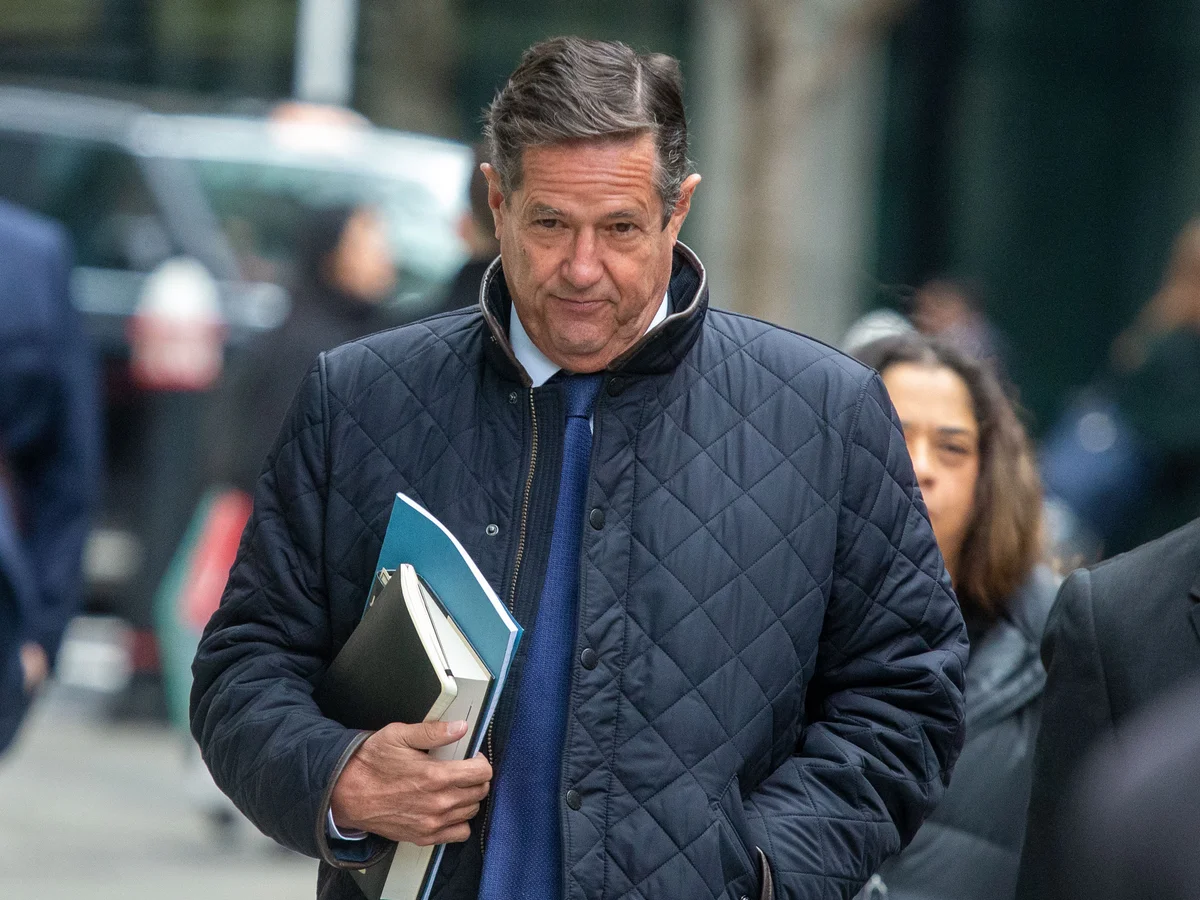
Photo: The Guardian
Former Barclays CEO Jes Staley is set to appear before the U.S. House Oversight and Government Reform Committee on July 23 as part of an ongoing congressional investigation into the network of relationships surrounding convicted sex offender Jeffrey Epstein.
The voluntary interview marks the latest development in a broad inquiry that has already involved current and former government officials, business leaders, and prominent public figures. Lawmakers are seeking to better understand the extent of Epstein’s connections across political, financial, and corporate circles, years after his death and the numerous legal battles that followed.
Staley, a longtime banking executive who previously held senior leadership positions at JPMorgan Chase before becoming CEO of Barclays, is expected to answer questions regarding his past relationship with Epstein and the nature of their interactions over the years.
Congressional Investigation Continues to Expand
The House Oversight Committee has spent recent months conducting a series of interviews with individuals linked in various ways to Epstein, whose activities and relationships continue to attract public attention years after his death.
The committee has already interviewed several high-profile figures, including former President Bill Clinton, former Secretary of State Hillary Clinton, Commerce Secretary Howard Lutnick, and former Attorney General Pam Bondi.
Additional interviews are also scheduled with prominent business leaders and financial executives. Microsoft co-founder Bill Gates is expected to appear before the committee, while private equity billionaire Leon Black and Goldman Sachs General Counsel Kathryn Ruemmler are also reportedly among those scheduled for questioning.
Lawmakers say the objective is to gain a clearer understanding of Epstein’s relationships with influential figures across finance, politics, and business, as well as the decisions made by institutions that maintained ties with him over the years.
Staley’s Long-Standing Connection to Epstein
Jes Staley's relationship with Epstein has drawn attention for years due to his senior role at JPMorgan Chase during the period when Epstein was a client of the bank.
Before joining Barclays, Staley spent more than three decades at JPMorgan, where he rose through the ranks to become one of the institution’s most influential executives. He oversaw major private banking and wealth management operations that served high-net-worth individuals and corporate clients.
During that period, Epstein maintained banking relationships with JPMorgan, making Staley one of the executives whose interactions with Epstein later became the subject of scrutiny.
Although Staley has repeatedly acknowledged his association with Epstein, he has also stated publicly that he was unaware of the criminal conduct that later came to light.
The relationship became a focal point in several legal proceedings and regulatory investigations following Epstein’s arrest and death.
JPMorgan’s Costly Epstein Settlements
The Epstein controversy has already carried significant financial consequences for JPMorgan Chase.
In 2023, the banking giant agreed to pay $290 million to settle lawsuits brought by victims who alleged the institution failed to act despite warning signs surrounding Epstein’s activities.
The settlement was one of the largest ever connected to claims involving a financial institution's relationship with a client accused of sex trafficking.
That same year, JPMorgan also agreed to pay $75 million to resolve separate litigation brought by the U.S. Virgin Islands, where Epstein owned a private island and operated several businesses.
While the bank agreed to the settlements, it did not admit wrongdoing in either case.
JPMorgan subsequently pursued legal claims involving Staley, arguing that any liability connected to Epstein-related litigation should ultimately fall on the former executive. The dispute was later resolved through a confidential settlement agreement.
The legal battles highlighted the growing pressure on financial institutions to strengthen compliance procedures and conduct more rigorous oversight of high-risk clients.
Barclays Leadership Ends Amid Regulatory Investigation
After leaving JPMorgan, Staley became CEO of Barclays in 2015 and led one of Europe's largest financial institutions for six years.
However, his tenure ended abruptly in 2021 following an investigation by the United Kingdom's Financial Conduct Authority (FCA).
The probe focused on how Staley had described his relationship with Epstein to Barclays and how that information was subsequently communicated to regulators.
Following the investigation, British regulators concluded that Staley had not provided an accurate characterization of the relationship.
As a result, he resigned from Barclays and later faced substantial regulatory penalties.
The FCA ultimately imposed a financial penalty exceeding $2 million and permanently prohibited him from holding senior management roles within the UK's financial services industry.
The decision represented one of the most significant individual enforcement actions involving a senior banking executive in recent years.
What Regulators Found—and Did Not Find
An important distinction emerged from the regulatory findings.
While authorities criticized Staley's descriptions of his relationship with Epstein, regulators did not conclude that he had knowledge of Epstein's criminal activities.
Barclays emphasized this point when responding to the FCA's findings, noting that the investigation did not determine that Staley was aware of or involved in Epstein's crimes.
That distinction has remained central to Staley's defense.
Over the years, he has expressed regret regarding the friendship and acknowledged that his judgment in maintaining the relationship was flawed.
In public comments following Epstein's arrest, Staley stated that he believed he knew Epstein well but later realized he had been mistaken.
His remarks reflected a broader theme that has emerged among several individuals connected to Epstein who have distanced themselves from the disgraced financier after details of his conduct became widely known.
Why the Upcoming Interview Matters
The Oversight Committee's decision to interview Staley underscores the continuing public and political interest surrounding Epstein's network of relationships.
While multiple criminal investigations, civil lawsuits, and regulatory reviews have already taken place, lawmakers continue to examine how influential institutions and individuals interacted with Epstein despite mounting concerns about his behavior over the years.
Staley's testimony could provide additional insight into the banking industry's handling of Epstein's accounts, the nature of their personal relationship, and the broader environment in which Epstein maintained access to powerful figures.
The interview may also help lawmakers evaluate whether existing oversight mechanisms within financial institutions are sufficient to identify and address risks associated with controversial clients.
Growing Pressure on Financial Institutions
The broader Epstein saga has become a case study in reputational risk management for banks, corporations, and regulatory agencies worldwide.
Financial institutions now face increased scrutiny regarding client onboarding procedures, anti-money laundering controls, and due diligence standards.
Since the controversy intensified, many banks have expanded internal compliance programs and strengthened monitoring systems designed to identify high-risk relationships before they become legal or reputational liabilities.
Corporate governance experts argue that the lessons learned from the Epstein fallout continue to influence risk management practices across the global financial sector.
The Bigger Picture
Jes Staley's upcoming appearance before Congress represents another chapter in the continuing examination of Jeffrey Epstein's connections to influential figures in business, finance, and politics.
As lawmakers expand their investigation, attention remains focused not only on Epstein himself but also on the institutions and individuals who maintained relationships with him during his rise to prominence.
For Staley, the interview arrives years after regulatory penalties, legal disputes, and public scrutiny reshaped his career. For lawmakers, it offers another opportunity to gather information as they seek a fuller understanding of one of the most controversial networks of relationships in recent history.
The July 23 testimony is expected to draw significant attention from both the financial industry and policymakers, as questions surrounding accountability, oversight, and institutional responsibility continue to resonate years after Epstein's death.
.webp)
Popular articles



Subscribe to unlock premium content
The Future of Urban Luxury Driving

Micro-Experience Convenience Stores Are Reinventing Quick Stops

Immortalizing Life in the Ultimate Luxury

The Future of Urban Luxury Driving
Micro-Experience Convenience Stores Are Reinventing Quick Stops
The Future of Urban Luxury Driving