
Middle East War Deepens as Iran Rejects U.S. Pressure and Trump Dismisses Peace Proposal

Middle East War Deepens as Iran Rejects U.S. Pressure and Trump Dismisses Peace Proposal
By
Augusta Parker
Last updated:
May 12, 2026
First Published:
May 12, 2026

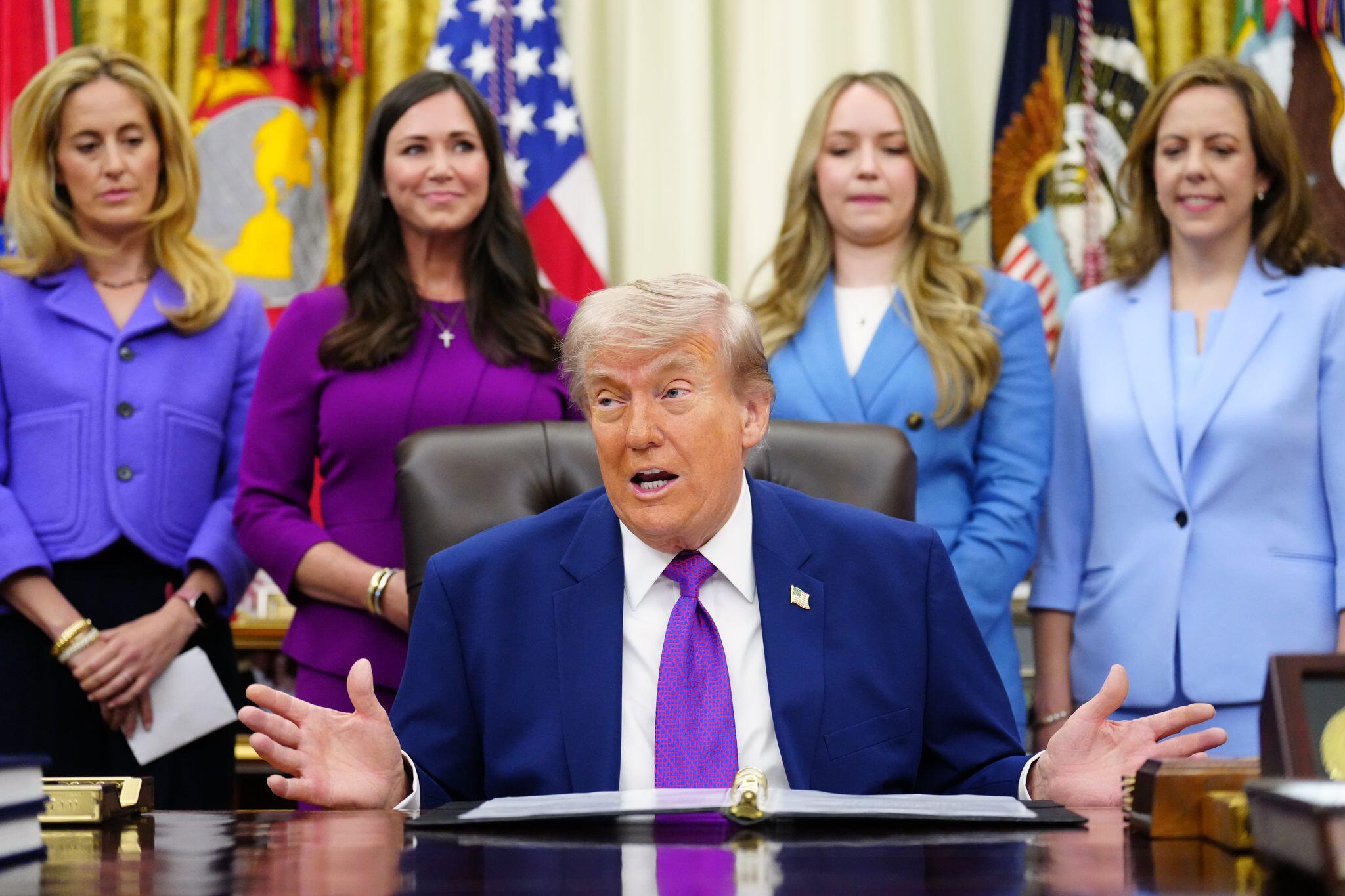
The conflict in the Middle East intensified dramatically after Donald Trump rejected Iran’s latest counterproposal aimed at ending the 10-week war, prompting Tehran to vow that it would “never bow” to foreign pressure and signaling that negotiations remain far from a breakthrough.
The growing diplomatic deadlock has heightened fears of prolonged instability across the region, particularly around the strategically critical Strait of Hormuz, one of the world’s most important oil shipping routes. The standoff is also adding fresh volatility to global energy markets already struggling with inflation pressures, geopolitical uncertainty, and rising fuel costs.
Trump sharply dismissed Iran’s response in a Truth Social post on Sunday, calling the proposal “TOTALLY UNACCEPTABLE” after reviewing Tehran’s conditions for ending the conflict.
“I have just read the response from Iran’s so-called representatives. I don’t like it — TOTALLY UNACCEPTABLE!” the president wrote.
Iranian officials responded with equally defiant rhetoric.
State media in Iran portrayed the U.S. proposal as an attempt to force Tehran into surrender rather than diplomacy. Iranian President Masoud Pezeshkian insisted that negotiations would not come at the cost of national sovereignty or military independence.
“We will never bow our heads before the enemy,” Pezeshkian said in a statement posted online. “Dialogue does not mean surrender or retreat.”
The collapse of negotiations leaves the region trapped in an increasingly dangerous impasse involving nuclear tensions, oil supply routes, military threats, and competing geopolitical alliances.
According to reports, Iran’s counterproposal demanded several major concessions from Washington, including the lifting of economic sanctions, the release of frozen Iranian assets, recognition of Iranian sovereignty over the Strait of Hormuz, and compensation tied to war-related damages.
The dispute also remains heavily focused on Iran’s nuclear program.
The United States is seeking firm guarantees that Tehran will permanently scale back uranium enrichment activities and dismantle key nuclear infrastructure as part of any peace agreement. Iran, however, has reportedly refused to fully dismantle enrichment facilities and instead proposed temporary limitations on uranium enrichment rather than the long-term restrictions demanded by Washington.
Tehran also reportedly offered to dilute part of its highly enriched uranium stockpile while transferring another portion to a third country under conditions that would allow its return if the United States later withdrew from any agreement.
Israeli Prime Minister Benjamin Netanyahu made clear that Israel does not believe the conflict is close to ending.
Speaking during an interview with CBS’ “60 Minutes,” Netanyahu said there was still “more work to be done,” arguing that Iran continues advancing its ballistic missile capabilities, supporting regional proxy groups, and maintaining sensitive nuclear infrastructure.
The ongoing confrontation has placed enormous pressure on global energy markets.
The Strait of Hormuz, located between Iran and the Gulf states, remains one of the world’s most vital energy chokepoints. Roughly one-fifth of global oil shipments and a substantial portion of liquefied natural gas exports pass through the narrow waterway each day.
Any threat to shipping activity in the strait immediately impacts global crude prices.
On Monday, U.S. West Texas Intermediate crude futures surged nearly 5% to more than $100 per barrel, while Brent crude futures climbed close to $106 per barrel as traders reacted to fears of prolonged disruptions and escalating military activity.
Energy analysts say markets remain extremely sensitive to every diplomatic or military headline emerging from the region.
Christopher Wong, currency strategist at OCBC Bank, said investors remain trapped between hopes for de-escalation and fears that ongoing clashes could keep a long-term geopolitical risk premium embedded into oil prices, currencies, and bond markets.
Although a Qatari liquefied natural gas tanker successfully crossed the Strait of Hormuz over the weekend for the first time since the war began, the symbolic transit did little to calm broader market anxiety.
The vessel’s passage was reportedly approved by Iran as a gesture toward Qatar and Pakistan, but regional security concerns remain extremely elevated.
Military tensions also continued escalating across the Gulf.
The United Arab Emirates reported intercepting two drones allegedly launched from Iran, while Qatar condemned an attack involving a cargo vessel operating in its waters. Kuwait also confirmed that hostile drones had entered its airspace before being confronted by air defense systems.
Iranian military officials responded with further warnings.
Brigadier General Mohammad Akraminia, speaking to Iranian state media, warned that any additional “miscalculation” by Iran’s adversaries could trigger “surprising options” and take the conflict into areas “the enemy has not anticipated.”
At the same time, reports from Iranian state broadcasters claimed that Mojtaba Khamenei, widely viewed as Iran’s new supreme leader, had issued fresh military directives despite remaining out of public view since the conflict began.
The geopolitical crisis is now expected to dominate a major upcoming summit between Trump and Xi Jinping in Beijing later this week.
Washington has reportedly been pressuring China to use its close relationship with Tehran to help stabilize the situation and ensure the continued flow of oil through the Strait of Hormuz.
China, however, faces a delicate balancing act.
Beijing depends heavily on Middle Eastern energy imports and has strong economic and strategic ties with Iran, making it reluctant to appear aligned too closely with U.S. pressure campaigns.
Analysts believe China will likely push for de-escalation while avoiding direct involvement that could damage its partnership with Tehran or expose it to diplomatic failure.
Ben Emons, managing director at Fed Watch Advisors, described the most likely outcome as a “managed détente with thin deliverables,” meaning broad calls for stability without any major breakthrough.
China recently hosted Iranian Foreign Minister Abbas Araghchi in Beijing, where senior Chinese diplomat Wang Yi reportedly reaffirmed the strategic partnership between the two countries while encouraging diplomatic solutions to the regional conflict.
As negotiations stall and military threats intensify, investors, governments, and energy markets are increasingly bracing for the possibility that the conflict could evolve into a much broader geopolitical crisis with significant consequences for global trade, oil prices, inflation, and economic stability worldwide.
.webp)
Popular articles



Subscribe to unlock premium content
Crypto in the Arctic

Iceland’s Seaweed Revolution

Private Island Rentals for Corporate Retreats Hit $1 Billion

Crypto in the Arctic
Iceland’s Seaweed Revolution
Crypto in the Arctic


