Middle East Tensions Escalate as Kuwait Activates Air Defenses Following New U.S. Strikes on Iran

Middle East Tensions Escalate as Kuwait Activates Air Defenses Following New U.S. Strikes on Iran
By
Leah Rosenfeld
Last updated:
May 28, 2026
First Published:
May 28, 2026

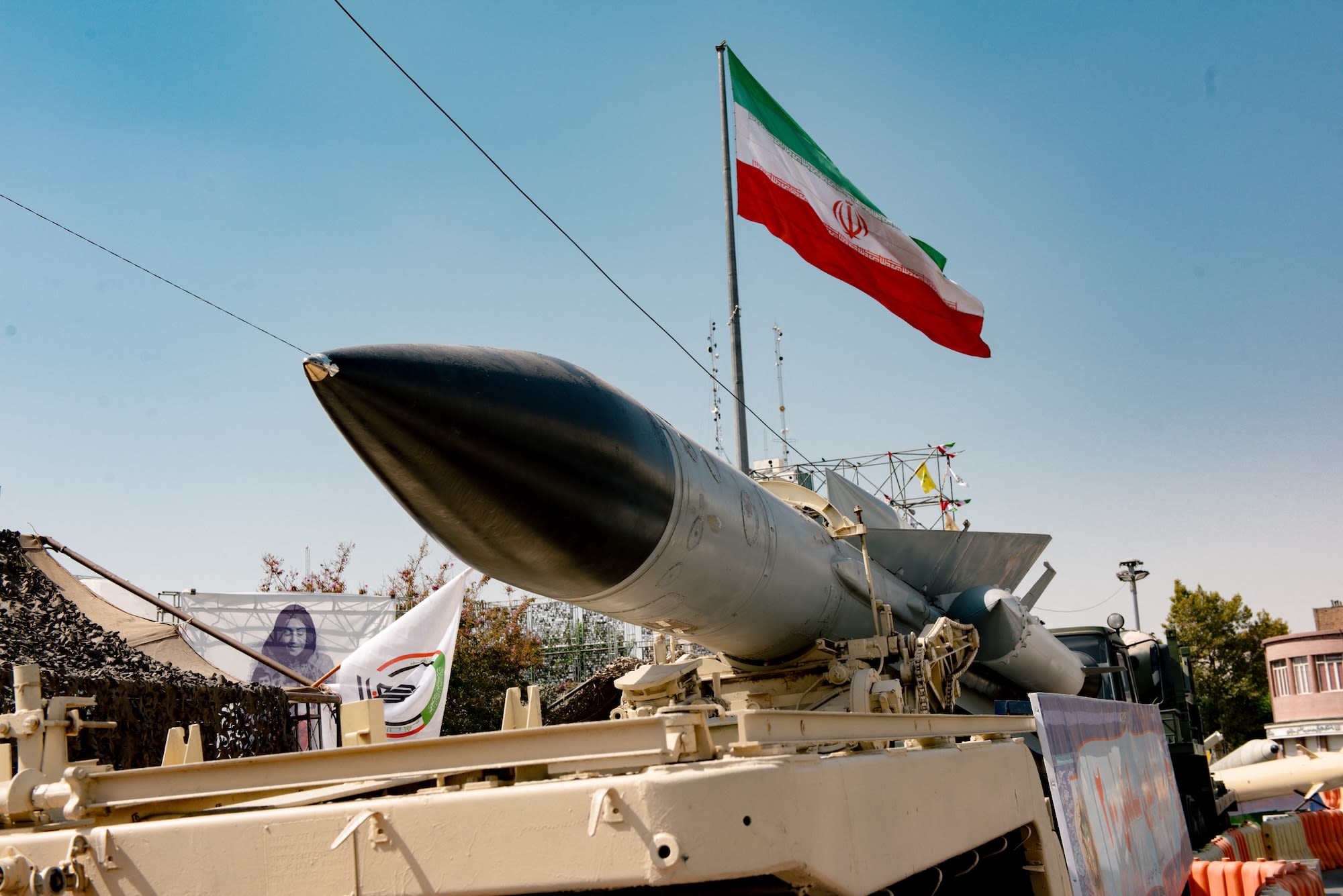
Getty Images
Tensions across the Middle East intensified dramatically after Kuwait activated its air defense systems in response to what officials described as incoming missile and drone threats, while the United States carried out a new round of military strikes inside Iran.
The developments have raised fresh concerns about regional stability, global oil supplies, and the possibility of a broader military confrontation involving key Gulf states and U.S. forces stationed in the region.
Kuwait’s armed forces announced Thursday that its air defense systems had been activated after detecting what it called “hostile missile and drone threats.” Authorities did not publicly identify where the threats originated, but local reports and military statements indicated that several incoming projectiles were intercepted before causing damage.
Residents in parts of Kuwait reportedly heard multiple explosion sounds overnight, which military officials later clarified were linked to air-defense interceptions rather than direct impacts on civilian areas.
The incident marks one of the most serious security alerts in Kuwait in recent years and highlights how quickly regional tensions are spreading beyond Iran and the Strait of Hormuz.
New U.S. Military Strikes Raise Pressure on Tehran
The security scare came shortly after fresh U.S. military strikes targeted a site inside Iran that American officials believed posed a threat to U.S. forces and commercial shipping routes near the Strait of Hormuz.
According to a U.S. official, the overnight operation focused on military infrastructure allegedly connected to activities threatening maritime traffic and regional security operations.
The Strait of Hormuz remains one of the world’s most strategically important energy chokepoints. Roughly 20% of global oil shipments pass through the narrow waterway every day, making any military escalation in the area a major concern for global energy markets.
Iran responded aggressively to the latest strikes.
In a statement released through Iranian state-linked media, the Islamic Revolutionary Guard Corps, or IRGC, claimed responsibility for targeting a U.S. air base after American strikes were allegedly conducted near Bandar Abbas airport.
Iranian officials warned that any additional attacks would trigger a stronger and more direct response.
“If it is repeated, our response will be more decisive,” the IRGC said.
The escalating rhetoric has increased fears that both sides may be entering a more dangerous phase of confrontation after months of rising pressure, proxy conflicts, and military posturing across the Gulf region.
Oil Prices Surge as Markets Fear Strait of Hormuz Disruption
Global oil markets reacted immediately to the growing instability.
Both Brent crude and West Texas Intermediate futures climbed more than 3% as traders priced in the possibility of supply disruptions or shipping risks in the Gulf. Energy analysts say even the perception of instability around the Strait of Hormuz can send oil prices sharply higher because of the region’s central role in global energy exports.
Several shipping companies and maritime security groups are reportedly monitoring the situation closely, especially after repeated warnings about drone activity, missile threats, and potential attacks on commercial vessels operating near Gulf waters.
Insurance costs for tankers traveling through the region have also started rising again as geopolitical risk premiums return to energy markets.
The latest spike in oil prices adds another layer of pressure to the global economy, particularly at a time when many countries are already dealing with inflation concerns, slowing growth, and elevated fuel costs.
Washington Expands Economic Pressure on Iran
Alongside the military action, the United States also unveiled a new round of sanctions targeting Iran’s Persian Gulf Strait Authority, the agency responsible for overseeing vessel transit through the Strait of Hormuz.
The U.S. Treasury Department accused the authority of generating revenue streams connected to the IRGC and warned that international companies or organizations working with the agency could face sanctions exposure.
American officials argued that the measures are designed to increase pressure on Tehran while limiting financial activity connected to military operations in the Gulf.
The new sanctions are part of a broader strategy aimed at restricting Iran’s regional influence and deterring actions that Washington says threaten commercial shipping and allied forces.
Diplomacy Still Remains on the Table
Despite the military escalation, U.S. officials continue signaling that diplomacy remains an option.
Secretary of State Marco Rubio said the United States is still willing to give negotiations with Iran “every chance to succeed,” even as military and economic pressure intensifies.
Speaking during a Cabinet meeting led by Donald Trump, Rubio said discussions with Tehran had shown some progress, though he acknowledged that other options remain available if diplomatic efforts fail.
Analysts say the dual-track approach of diplomacy combined with military pressure reflects Washington’s attempt to avoid a full-scale regional war while maintaining leverage over Iran’s military activities and nuclear ambitions.
Global Markets Brace for More Volatility
Financial markets are now closely watching whether tensions continue escalating in the coming days.
Energy traders, shipping firms, airlines, and defense analysts are all assessing the risks of a prolonged standoff in one of the world’s most sensitive geopolitical regions. Any disruption to Gulf oil exports or attacks on major infrastructure could have immediate consequences for global energy prices, inflation, and investor sentiment.
For now, the combination of missile threats, air-defense activations, military strikes, and economic sanctions has pushed the Middle East back to the center of global market concerns.
With both Washington and Tehran warning of further action if provoked, investors and governments alike are preparing for the possibility of another volatile chapter in the region’s long-running tensions.
.webp)
Popular articles



Subscribe to unlock premium content
Gliding Through Ice and Luxury

Frozen Luxury in the World’s Last Frontier

From Passion to Profit: How Celebrity Hobbies Create Billion-Dollar Industries

Gliding Through Ice and Luxury
Frozen Luxury in the World’s Last Frontier
Gliding Through Ice and Luxury