Merriam Webster Names “Slop” Word of the Year as AI Content Overload Grows

Merriam Webster Names “Slop” Word of the Year as AI Content Overload Grows
By
Leah Rosenfeld
Last updated:
December 16, 2025
First Published:
December 16, 2025

A Word That Captures the AI Moment
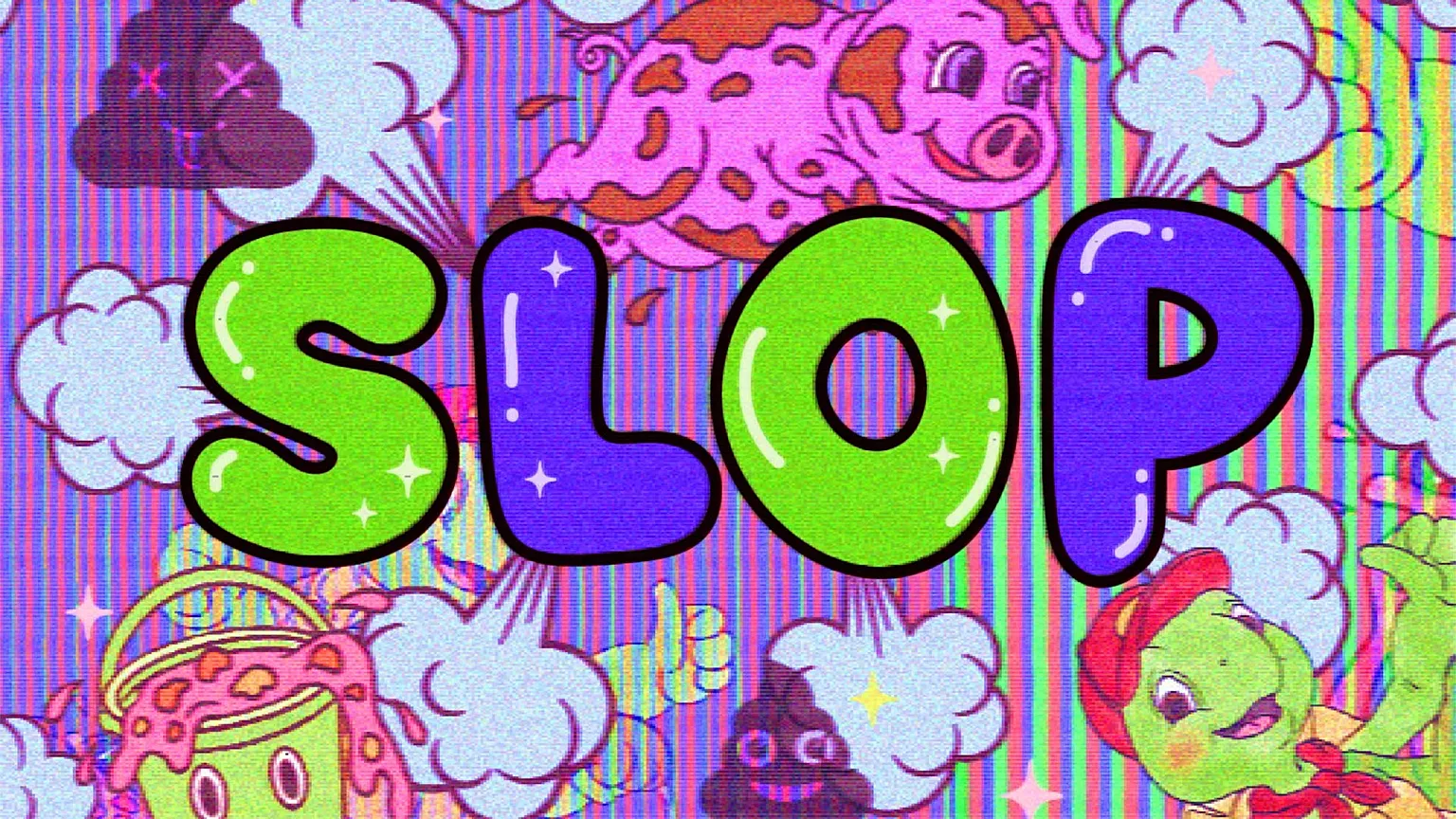
Merriam Webster has selected “slop” as its 2025 word of the year signaling a shift in public sentiment toward artificial intelligence and the content it produces. The choice highlights growing unease over the volume and quality of AI generated material now circulating across the internet.
The term has gained traction throughout the year as consumers creators and platforms grapple with an explosion of synthetic media that often prioritizes scale and engagement over originality or value.
How Merriam Webster Defines “Slop”
In its updated dictionary entry Merriam Webster defines slop as “digital content of low quality that is produced usually in quantity by means of artificial intelligence.” Historically the word referred to something of little value or to food waste fed to animals. Its modern usage reflects how rapidly AI has reshaped language culture and online behavior.
The redefinition underscores a broader recognition that generative AI has made it easier than ever to flood feeds with cheaply produced content that can still attract massive audiences.
Social Platforms Flooded With AI Content
Mainstream social networks have become primary distribution channels for AI generated media. Reports have highlighted viral videos featuring surreal and often unsettling imagery created entirely by generative models. One widely shared clip depicting a bizarre creature morphing into a nightmare like giraffe inside a crowded shopping mall reportedly amassed more than 362 million views across Meta owned platforms alone.
In response to surging interest Meta launched Vibes in September a dedicated feed for AI generated videos. Around the same time OpenAI released its Sora video generation app accelerating both the creation and consumption of synthetic media. Platforms such as TikTok and YouTube have also seen a sharp increase in AI generated clips many of which are optimized for rapid engagement rather than substance.
Monetization and the Incentive Problem
A key driver behind the rise of AI slop is monetization. Even low quality content can generate advertising revenue if it attracts enough views likes or shares. This economic incentive has encouraged mass production of AI generated videos images and music often with minimal disclosure to users.
The music industry has been particularly affected. Spotify disclosed in September that it removed more than 75 million AI generated spam tracks from its platform. The company also introduced stricter policies to combat AI impersonation and deceptive practices after facing criticism over artists that failed to clearly label their music as AI generated. One such project accumulated more than one million monthly listeners before later clarifying that it was a synthetic music experiment.
Shifting Public Attitudes Toward AI
Recent data suggests that enthusiasm for AI tools may be cooling. According to CNBC’s All America Economic Survey published in mid December usage of popular AI platforms has declined in recent months.
Only 48 percent of respondents reported using AI tools such as ChatGPT Microsoft Copilot or Google Gemini in the past two to three months compared with 53 percent in August. The decline suggests that while AI remains widely adopted users may be becoming more selective as concerns around quality trust and over saturation grow.
Why the Word Matters
By naming “slop” its word of the year Merriam Webster has captured a defining tension of the AI era. While generative technology continues to transform industries and unlock new creative possibilities it has also lowered the barrier to producing vast amounts of content that many users view as disposable or misleading.
The designation reflects a broader cultural reckoning as platforms regulators and consumers alike search for ways to balance innovation with quality transparency and trust in an increasingly AI driven digital ecosystem.

Popular articles


Subscribe to unlock premium content
Haute Power in the Boardroom

Tapping Into Seasonal Markets for Global Growth

The Secret Billion-Dollar Market of Corporate Carbon Credit Trading

Haute Power in the Boardroom
Tapping Into Seasonal Markets for Global Growth
Haute Power in the Boardroom
.png)