Markets Shift Into Survival Mode as Escalating U.S.-Iran Conflict Raises Fears of a Prolonged Global Risk Cycle

Markets Shift Into Survival Mode as Escalating U.S.-Iran Conflict Raises Fears of a Prolonged Global Risk Cycle
By
Augusta Parker
Last updated:
June 11, 2026
First Published:
June 11, 2026

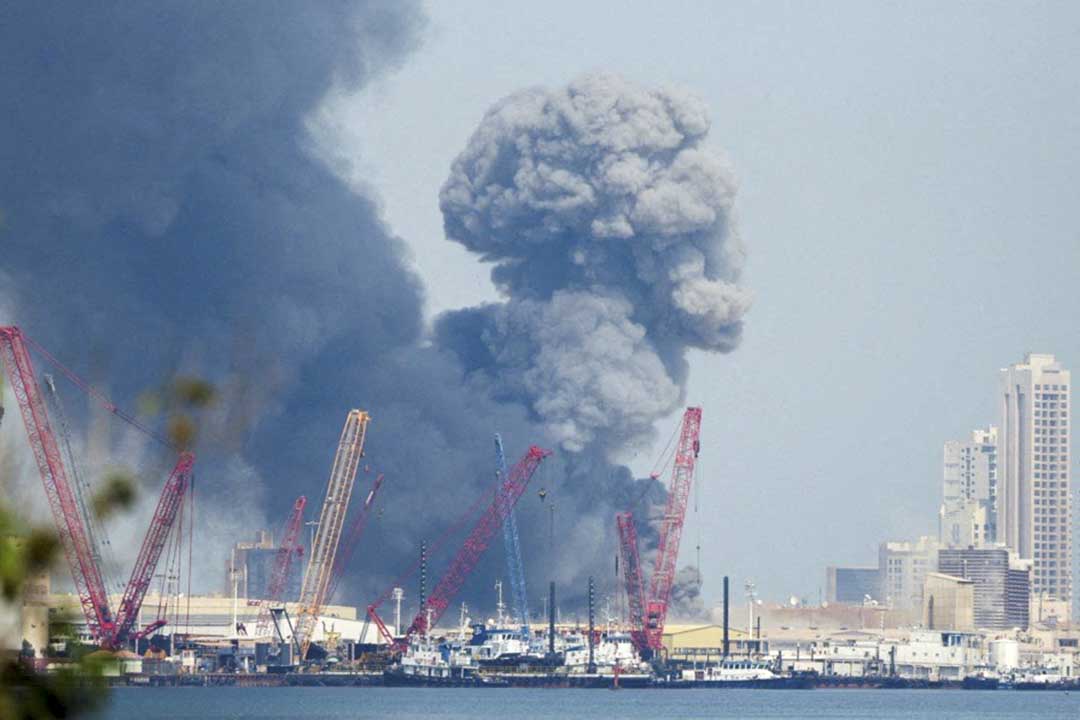
Global financial markets are increasingly adjusting to the possibility that tensions between the United States and Iran could become a long-lasting geopolitical challenge rather than a short-lived crisis. As military actions intensify and diplomatic efforts lose momentum, investors are reassessing risk across equities, bonds, commodities, and currencies.
The latest escalation followed military strikes by U.S. Central Command on Iranian targets, prompting retaliatory actions from Tehran and further increasing concerns about regional stability. While markets have avoided outright panic, investor sentiment has noticeably shifted from expecting a near-term ceasefire to preparing for an extended period of uncertainty.
This evolving outlook is forcing traders, fund managers, and institutions worldwide to reconsider assumptions about inflation, interest rates, energy prices, and economic growth over the coming years.
Markets Begin Pricing a Longer Conflict
Financial markets have historically reacted to geopolitical crises with sharp selloffs followed by recoveries once tensions ease. However, analysts suggest the current situation is beginning to look different.
Rather than treating the conflict as a temporary disruption, investors are increasingly incorporating a prolonged risk premium into asset valuations. This means markets may continue demanding higher returns to compensate for ongoing geopolitical uncertainty, even if the intensity of military actions fluctuates.
The shift is significant because risk premiums often remain embedded in financial markets long after headlines fade. Investors are no longer focused solely on immediate military developments but are also evaluating the long-term economic consequences of a conflict that could stretch for months or even years.
Many portfolio managers now believe the greater threat is not a sudden market collapse but a gradual deterioration in investment conditions driven by higher costs, slower growth, and persistent uncertainty.
Oil Markets Remain Resilient Despite Regional Disruptions
One of the biggest concerns surrounding the conflict has been the potential impact on global energy supplies.
The Middle East remains responsible for a substantial share of the world's oil exports, and disruptions to critical shipping routes such as the Strait of Hormuz could have severe consequences for global markets. Roughly one-fifth of the world's oil supply passes through the waterway, making it one of the most strategically important energy corridors on the planet.
Despite these risks, crude oil prices have remained relatively contained and have stayed below the psychologically important $100-per-barrel threshold.
Several factors have helped prevent a major supply shock:
- Increased energy exports from the United States
- Strategic petroleum reserve availability among major economies
- Alternative shipping and export routes
- Strong inventory levels in several consuming nations
- Expectations that major producers could increase output if necessary
While these buffers have prevented an immediate energy crisis, analysts caution that prolonged disruptions could gradually tighten global supply conditions and place upward pressure on fuel prices.
Higher Energy Costs Could Keep Inflation Elevated
Even if oil prices avoid extreme spikes, the conflict could still have significant inflationary consequences.
Energy affects nearly every sector of the economy, influencing transportation, manufacturing, logistics, agriculture, and consumer spending. Sustained increases in fuel costs can ripple through supply chains and eventually reach consumers through higher prices.
Economists warn that a prolonged period of elevated energy prices could complicate efforts by central banks to bring inflation back to target levels. After years of aggressive interest rate hikes designed to combat inflation, policymakers may find it more difficult to justify rapid rate cuts if geopolitical tensions continue to push costs higher.
For businesses, this means operating expenses may remain elevated. For consumers, it could translate into higher costs for transportation, goods, food, and utilities.
The Cost of Capital Is Becoming a Bigger Concern
Beyond energy markets, many investors are increasingly focused on what the conflict means for borrowing costs and capital allocation.
Financial experts argue that geopolitical instability is no longer being viewed as a temporary inflation shock. Instead, markets are beginning to reprice the long-term cost of capital in a world characterized by recurring geopolitical tensions.
This shift has major implications for corporate earnings and investment strategies.
When borrowing costs remain elevated, companies face greater pressure to generate stronger returns on investments. Businesses that previously benefited from low interest rates and easy financing may encounter a more challenging operating environment.
The result could be a market where investors become more selective, rewarding companies with strong cash flows, pricing power, and resilient business models while punishing weaker firms that rely heavily on debt financing.
Equity Markets Show Resilience but Risks Remain
Despite the escalating conflict, global equity markets have demonstrated surprising resilience.
Historically, geopolitical events often trigger short-term volatility before markets stabilize. Recent trading patterns have largely followed that script, with initial selloffs giving way to recoveries as investors assess the broader economic impact.
Many institutional investors continue to believe that a full-scale regional war remains unlikely. Instead, their base-case scenario involves intermittent military actions, periodic retaliatory strikes, and ongoing diplomatic tensions without a complete breakdown of regional stability.
This outlook has helped prevent panic selling, though analysts warn that markets remain vulnerable to unexpected escalations.
Investors are increasingly emphasizing diversification, quality assets, and long-term investment horizons rather than attempting to predict short-term geopolitical developments.
Global Growth Outlook Faces New Challenges
The economic consequences of a prolonged U.S.-Iran conflict extend well beyond energy markets.
Credit rating agencies and economic research firms have warned that sustained tensions could weigh on global growth by reducing business confidence, disrupting trade flows, increasing transportation costs, and maintaining upward pressure on inflation.
Higher inflation combined with elevated interest rates creates a difficult environment for both developed and emerging economies. Governments may face larger borrowing costs, corporations could delay investments, and consumers may reduce discretionary spending.
Several forecasts now suggest that geopolitical tensions could become one of the most important variables shaping the global economic outlook through the remainder of the decade.
Why Investors Are Preparing for a Long-Term Risk Environment
One of the key reasons markets are adjusting to a prolonged conflict is the perception that neither side appears willing to make significant concessions.
Analysts note that both Washington and Tehran continue to believe their strategic positions can improve over time, reducing incentives for rapid compromise. This dynamic raises the possibility of an extended period of military, political, and economic confrontation.
As a result, investors are increasingly preparing for an environment where geopolitical risk remains a permanent feature of market analysis rather than a temporary concern.
The focus is shifting from predicting when the conflict might end to understanding how prolonged instability could reshape investment returns, inflation trends, interest rate expectations, and global growth prospects.
The Bottom Line
Financial markets are gradually accepting that the U.S.-Iran conflict may not have a quick resolution. Instead of pricing in an imminent ceasefire, investors are preparing for a prolonged period of geopolitical uncertainty that could influence energy markets, inflation, interest rates, and economic growth for years to come.
While global markets have remained relatively resilient so far, the longer tensions persist, the more likely it becomes that higher risk premiums, elevated borrowing costs, and slower economic growth will become lasting features of the investment landscape. For investors, the challenge is no longer simply navigating volatility—it is adapting to a world where geopolitical risk plays a much larger role in determining market performance.
.webp)
Popular articles



Subscribe to unlock premium content
From Bean to Buzz in Thailand

The Rise of Celebrity-Curated Designer Board Games

Iceland’s Geothermal Revolution

From Bean to Buzz in Thailand
The Rise of Celebrity-Curated Designer Board Games
From Bean to Buzz in Thailand
.png)