Macron Pulls OpenAI’s Sam Altman Into G7 AI Talks as France Pushes Aggressive Tech Expansion

Macron Pulls OpenAI’s Sam Altman Into G7 AI Talks as France Pushes Aggressive Tech Expansion
By
Alina Sinclair
Last updated:
June 5, 2026
First Published:
June 5, 2026

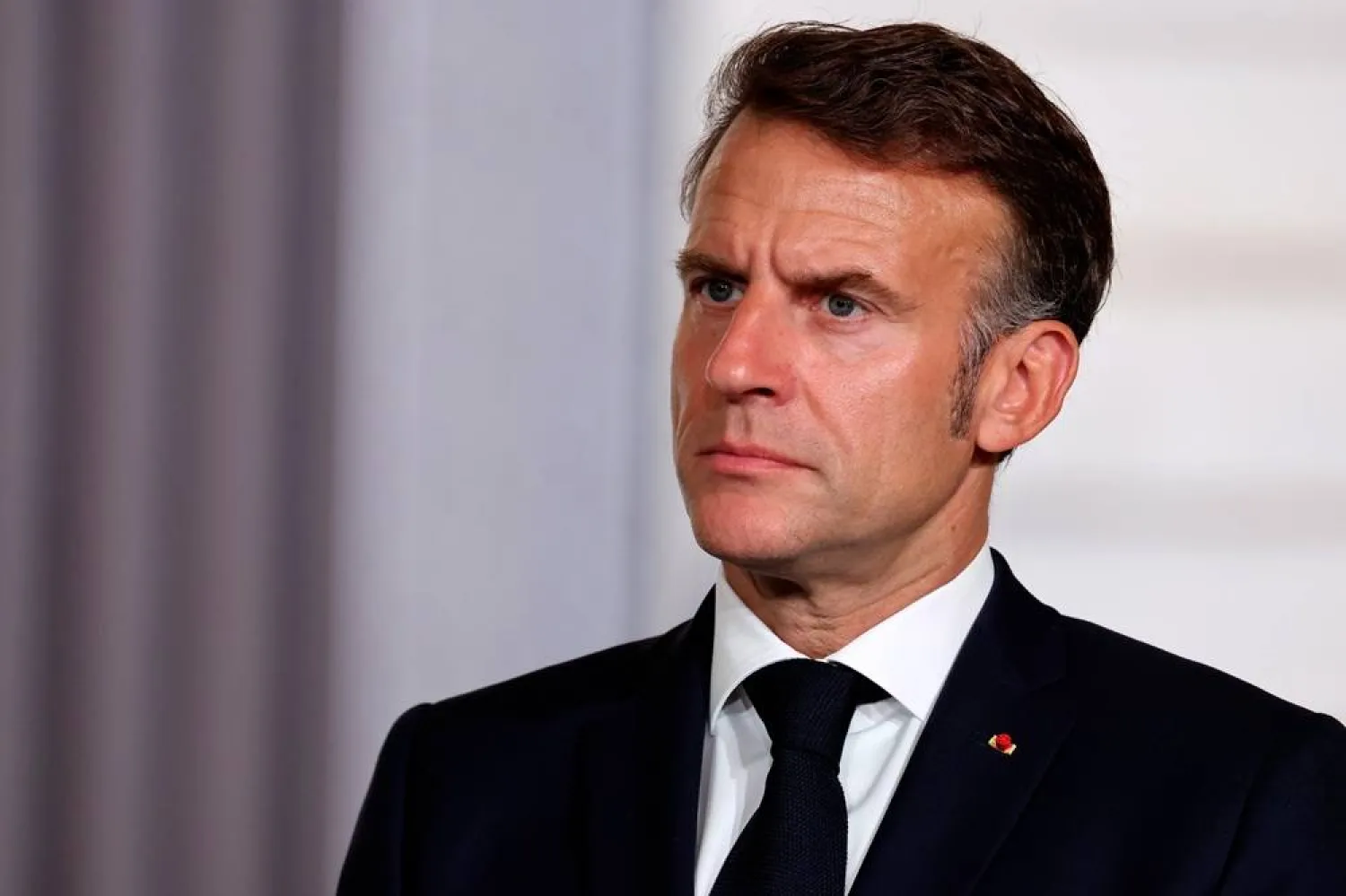
OpenAI CEO Sam Altman has been invited by French President Emmanuel Macron to attend the upcoming G7 summit in France, marking a significant moment in the growing intersection of artificial intelligence leadership and global policymaking.
According to OpenAI, Altman will participate in the Leaders’ Summit later this month, where artificial intelligence is expected to be one of the central topics of discussion among the world’s most powerful economies.
The invitation highlights France’s increasingly assertive strategy to position itself as a leading global hub for AI development, infrastructure investment, and international technology governance.
AI Moves to the Center of Global Diplomacy
The G7 summit, scheduled to take place from June 15 to June 17 in France, will bring together leaders from the United States, United Kingdom, Canada, France, Germany, Italy, Japan, and the European Union.
This year’s agenda is expected to place artificial intelligence at the forefront, reflecting how rapidly AI has shifted from a niche technological discussion to a central pillar of economic and national security policy.
Altman’s participation would mark his first appearance at the G7 Leaders’ Summit, signaling the increasing role of private sector executives in shaping global technology frameworks alongside heads of state.
OpenAI’s chief global affairs officer indicated that Altman is expected to contribute directly to high-level discussions involving government leaders, particularly on AI governance and safety frameworks.
Macron’s Expanding Tech Diplomacy Strategy
President Emmanuel Macron has intensified efforts in recent years to attract major global technology companies and investors to France, positioning the country as a competitive alternative to traditional tech hubs such as the United States and the United Kingdom.
His strategy has included direct engagement with top executives in the technology sector, aiming to secure large-scale investments in artificial intelligence infrastructure, data centers, and research ecosystems.
One of the most notable recent outcomes of this approach was SoftBank’s commitment to invest approximately 45 billion euros over the next five years in AI-related infrastructure projects in France.
Reports indicate that Macron personally engaged with SoftBank founder Masayoshi Son during negotiations, encouraging investment in domestic data center capacity and AI development facilities. The discussions reportedly involved direct communication between the two leaders as France sought to secure long-term strategic partnerships in advanced computing infrastructure.
France Positions Itself as a European AI Powerhouse
France’s broader AI strategy has accelerated through a combination of public funding initiatives, private capital inflows, and international partnerships.
Recent investment announcements tied to French government-led economic initiatives have collectively reached several billion euros, with contributions from global technology companies and sovereign wealth funds.
Projects announced under France’s “Choose France” investment framework include multi-billion-euro commitments aimed at expanding cloud computing infrastructure, AI research centers, and semiconductor-adjacent capabilities.
One of the largest initiatives involves a multi-billion-euro AI campus backed by a combination of public investment institutions and international partners, designed to strengthen France’s long-term position in the global AI ecosystem.
These efforts are part of a broader European push to reduce dependence on U.S. and Chinese technology platforms while building domestic capacity in advanced digital infrastructure.
OpenAI’s Expanding Role in Government Partnerships
OpenAI has increasingly positioned itself as a strategic partner to governments as AI systems become more integrated into public policy, education, and national security frameworks.
The company has promoted initiatives aimed at collaborating with countries on AI infrastructure development, including data center expansion, national deployment of AI tools, and workforce integration strategies.
One of its key programs involves partnerships designed to help governments deploy large-scale AI systems for public services while maintaining safety and regulatory oversight.
OpenAI executives have emphasized that AI governance is shifting from theoretical discussion to active policy design, as governments seek to establish frameworks for managing risks associated with advanced AI systems.
Policy Focus on Safety, Security, and Youth Protection
At the G7 summit, OpenAI is expected to prioritize discussions around AI safety, with particular emphasis on youth protection and online security.
Governments have increasingly raised concerns about how AI systems interact with younger users, especially in areas such as content generation, digital interaction, and information reliability.
Another key area of focus will be frontier AI risk management, including concerns related to cybersecurity threats and potential biological applications of advanced AI models.
These issues have gained urgency as AI systems become more capable of performing complex tasks traditionally reserved for highly specialized human expertise.
Rising Competition Among Global AI Leaders
The G7 invitation comes at a time when global competition in artificial intelligence is intensifying rapidly.
Major technology companies and research organizations are racing to develop increasingly powerful AI models, while governments simultaneously work to establish regulatory frameworks that balance innovation with safety concerns.
Recent advances in AI capabilities have sparked debate over how to manage risks associated with increasingly autonomous systems, particularly in areas such as cybersecurity resilience, critical infrastructure protection, and data integrity.
This evolving landscape has made collaboration between governments and private sector leaders more critical than ever.
Big Tech Investment Surge in France
France’s push to attract AI investment has been reinforced by a wave of commitments from global technology firms.
In addition to SoftBank’s large-scale investment plans, other multinational companies have announced multi-billion-euro commitments to expand operations in the country.
These investments span cloud infrastructure, enterprise software, and AI development ecosystems, reflecting growing confidence in France’s regulatory and economic environment for technology expansion.
The government’s goal is to create a long-term competitive advantage in AI by combining public sector support with private sector capital and research expertise.
G7 Set to Become a Defining Moment for AI Governance
The upcoming summit is expected to serve as a critical moment in shaping the global direction of artificial intelligence policy.
With leading economies gathering to discuss regulation, innovation, and international coordination, the presence of top technology executives underscores how central AI has become to global economic strategy.
Sam Altman’s participation highlights the increasing role of private sector leaders in diplomatic and policy discussions that were once dominated exclusively by governments.
As AI continues to evolve rapidly, the outcomes of these discussions could influence not only national strategies but also the broader structure of global technology governance in the years ahead.
.webp)
Popular articles



Subscribe to unlock premium content
Bali’s Digital Detox Revolution

Elevating Perspectives with Drone Photography

Dinner Reinvented in Los Angeles

Bali’s Digital Detox Revolution
Elevating Perspectives with Drone Photography
Bali’s Digital Detox Revolution