Biotech Dealmaking Surges Toward Strongest Year in Seven Years as Pharma Giants Race to Secure Future Growth

Biotech Dealmaking Surges Toward Strongest Year in Seven Years as Pharma Giants Race to Secure Future Growth
By
Leah Rosenfeld
Last updated:
June 5, 2026
First Published:
June 5, 2026

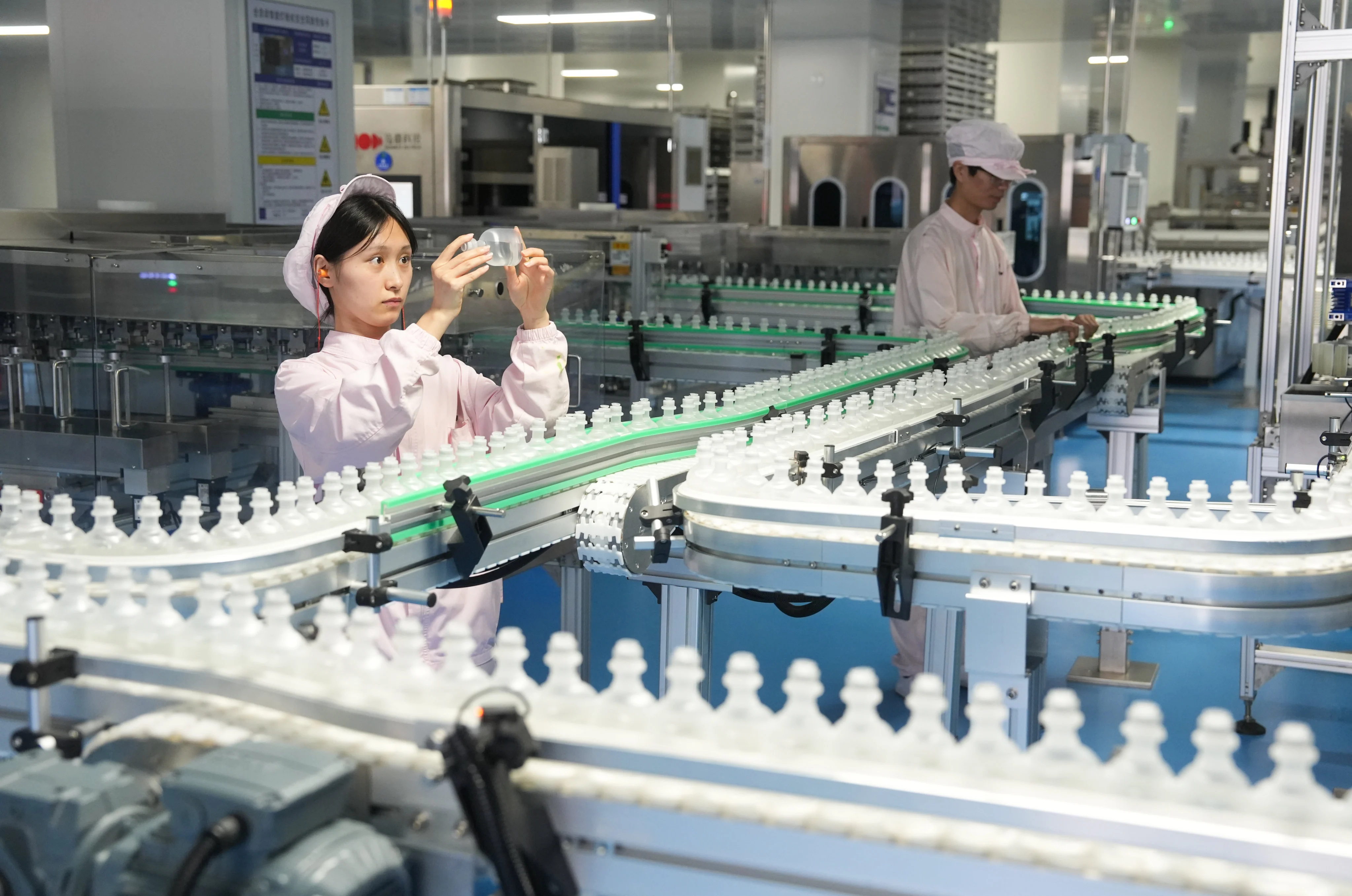
Photo: South China Morning Post
The global biotechnology and pharmaceutical industry is experiencing a powerful resurgence in mergers and acquisitions, with deal activity accelerating at a pace not seen since before the pandemic.
After several years of cautious spending, rising interest rates, and volatile market conditions, major pharmaceutical companies are once again opening their wallets in a bid to secure the next generation of blockbuster medicines. The result is a dealmaking environment that is rapidly approaching record territory.
According to industry data, biotech and pharmaceutical acquisitions have already reached approximately $106 billion across 201 transactions in 2026. If the current pace continues through the second half of the year, total deal value could exceed $250 billion, making this the strongest year for healthcare M&A since the industry's pre-pandemic peak.
The surge reflects a growing sense of urgency among pharmaceutical executives who face looming revenue challenges as several top-selling drugs approach the end of their patent protection periods.
A New M&A Boom Takes Shape
The healthcare sector has entered a new phase of consolidation.
Following a slowdown after the pandemic, acquisition activity has returned with remarkable strength. Total biotech and pharmaceutical deal value rebounded sharply in 2025, reaching more than $200 billion, and momentum has only accelerated in 2026.
Industry experts describe the current environment as one of the most active periods for strategic acquisitions in recent memory.
Unlike previous cycles that were often dominated by massive corporate mergers, today's market is being driven by a steady stream of targeted acquisitions designed to strengthen specific areas of a company's drug pipeline.
The trend highlights a growing preference among pharmaceutical companies to acquire innovation rather than build every breakthrough internally.
For many industry leaders, purchasing promising drug candidates has become the fastest path to future growth.
Why Pharmaceutical Companies Are Buying Aggressively
At the heart of the acquisition frenzy lies one of the industry's most persistent challenges: patent cliffs.
Patent protection gives pharmaceutical companies exclusive rights to market and sell medicines for a defined period. Once those protections expire, generic competitors can enter the market, often causing revenue to decline dramatically.
Over the next several years, some of the world's largest drugmakers face billions of dollars in potential revenue losses as key products lose exclusivity.
This creates enormous pressure to identify replacement products before those revenue streams disappear.
Acquisitions have emerged as one of the most effective solutions.
Rather than waiting years for internal research programs to produce results, companies can immediately gain access to promising therapies through strategic deals.
Many executives view acquisitions as a necessity rather than an option.
The challenge is not simply finding innovative science. It is finding products capable of generating meaningful commercial revenue before existing blockbuster drugs begin to decline.
The Rise of the "Bolt-On" Acquisition Strategy
One of the most notable characteristics of the current dealmaking wave is the preference for smaller, highly targeted transactions.
Instead of pursuing headline-grabbing mega-mergers worth tens of billions of dollars, pharmaceutical companies are increasingly focused on acquisitions in the $1 billion to $5 billion range.
These so-called "bolt-on" deals allow buyers to acquire specific therapies, technologies, or development programs without taking on the complexity of integrating an entire corporation.
Industry analysts note that these transactions often carry lower execution risk and face fewer regulatory hurdles than large-scale mergers.
A company can add a promising oncology treatment, metabolic disease program, or neurological therapy directly into its portfolio without disrupting broader operations.
This strategy has become particularly attractive as regulators worldwide maintain close scrutiny of major industry consolidation efforts.
The result is a deal environment characterized by numerous strategic acquisitions rather than a handful of transformational mergers.
Average Deal Sizes Continue to Climb
The industry's appetite for innovation is becoming increasingly visible in transaction values.
Average biotech deal sizes have risen significantly compared with previous years, reflecting stronger competition for high-quality assets.
Pharmaceutical companies are showing a willingness to pay premium valuations for therapies that demonstrate strong clinical results, large commercial potential, or access to emerging technologies.
This trend is especially evident in therapeutic areas where unmet medical needs remain substantial.
Companies developing innovative treatments for cancer, obesity, metabolic disorders, neurological diseases, autoimmune conditions, and rare diseases continue to attract significant acquisition interest.
Investors and executives alike recognize that breakthrough therapies in these categories can generate billions of dollars in annual revenue.
Oncology, Obesity, and Neurology Drive Investor Interest
Several therapeutic areas are emerging as major acquisition targets.
Cancer treatments remain one of the most active segments of biotech dealmaking. Advances in immunotherapy, targeted therapies, cell therapies, and precision medicine continue creating attractive acquisition opportunities.
Metabolic disease has also become a major focus.
The extraordinary success of next-generation obesity and diabetes treatments has transformed investor interest in the broader metabolic health sector. Pharmaceutical companies are actively searching for therapies that could complement or compete with today's market-leading weight-loss drugs.
Neurological disorders represent another rapidly growing opportunity.
Recent advances in Alzheimer's disease research, neurodegenerative conditions, and central nervous system therapies have increased optimism about a field that historically presented significant scientific challenges.
These areas collectively account for a substantial portion of current acquisition activity.
China Emerges as a Critical Source of Innovation
One of the most important developments in the global pharmaceutical industry is China's growing role in biotechnology innovation.
Over the past decade, Chinese biotech companies have dramatically improved their research capabilities, clinical development expertise, and scientific output.
Many firms are now producing drug candidates that rival those being developed in the United States and Europe.
As a result, global pharmaceutical companies are increasingly looking to China as a source of innovative therapies and strategic partnerships.
Despite ongoing geopolitical tensions and regulatory discussions surrounding Chinese clinical data, demand for Chinese-developed assets remains strong.
Industry leaders continue pursuing licensing agreements, acquisitions, and partnership arrangements that provide access to promising therapies developed within China's rapidly expanding biotech ecosystem.
The trend demonstrates that scientific innovation increasingly transcends geographic boundaries.
The Growing Popularity of the "NewCo" Model
An innovative deal structure known as the "NewCo" model has gained traction as pharmaceutical companies seek access to Chinese-developed assets.
Under this approach, investors acquire rights to promising therapies outside China and establish a new company specifically focused on developing those assets for global markets.
The newly formed business then oversees regulatory approvals, clinical development, commercialization efforts, and market expansion across North America, Europe, and other regions.
This structure allows Chinese innovators to monetize discoveries while enabling Western investors and pharmaceutical companies to unlock global commercial potential.
Many industry experts view the model as a highly effective bridge between China's growing research capabilities and the broader international healthcare market.
Public Markets Are Supporting the Recovery
Another major factor fueling acquisition activity is the improving state of biotechnology capital markets.
Investor sentiment toward biotech companies has strengthened considerably over the past year.
Biotech-focused stock indices have posted strong gains, and several successful public offerings have signaled renewed confidence in the sector.
The reopening of the biotech IPO market is particularly significant.
During periods when public markets are receptive, venture capital firms gain more exit opportunities, startups receive improved access to funding, and acquisition valuations become easier to justify.
A healthy public market ecosystem often supports stronger M&A activity because buyers and sellers can establish more transparent valuation benchmarks.
The combination of stronger equity markets and rising acquisition demand has created favorable conditions across the entire biotech investment landscape.
Why Interest Rates Haven't Stopped the Boom
One surprising aspect of the current dealmaking environment is its resilience despite higher interest rates.
Historically, rising borrowing costs tend to discourage acquisitions by increasing financing expenses and reducing corporate risk appetite.
However, pharmaceutical companies have continued pursuing transactions aggressively.
Several factors explain this resilience.
Many large pharmaceutical firms maintain strong balance sheets and substantial cash reserves. More importantly, the urgency created by upcoming patent expirations outweighs concerns about financing costs.
For executives facing multibillion-dollar revenue gaps over the next few years, securing future growth opportunities remains the top priority.
As a result, strategic necessity has largely overridden macroeconomic caution.
The Outlook for the Industry
The current acquisition wave shows few signs of slowing.
Large pharmaceutical companies continue facing significant pressure to replace aging products, strengthen pipelines, and secure long-term growth drivers.
At the same time, biotechnology companies are generating an increasingly diverse range of innovative therapies across oncology, obesity, neuroscience, rare diseases, and precision medicine.
Improving capital markets, strong investor demand, and expanding global innovation networks are creating favorable conditions for continued deal activity.
While economic uncertainty and geopolitical risks remain factors to watch, the fundamental drivers behind biotech M&A remain firmly in place.
As patent expirations approach and competition for breakthrough therapies intensifies, pharmaceutical companies are expected to remain active buyers.
For investors, entrepreneurs, and healthcare executives, the message is becoming increasingly clear: the biotechnology acquisition boom is not only back, but it may be entering one of its strongest periods in nearly a decade.
.webp)
Popular articles



Subscribe to unlock premium content
Bali’s Digital Detox Revolution

Elevating Perspectives with Drone Photography

Dinner Reinvented in Los Angeles

Bali’s Digital Detox Revolution
Elevating Perspectives with Drone Photography
Bali’s Digital Detox Revolution