Lululemon Slashes Annual Forecast as Sales Momentum Weakens and Brand Challenges Intensify

Lululemon Slashes Annual Forecast as Sales Momentum Weakens and Brand Challenges Intensify
By
Leah Rosenfeld
Last updated:
June 5, 2026
First Published:
June 5, 2026

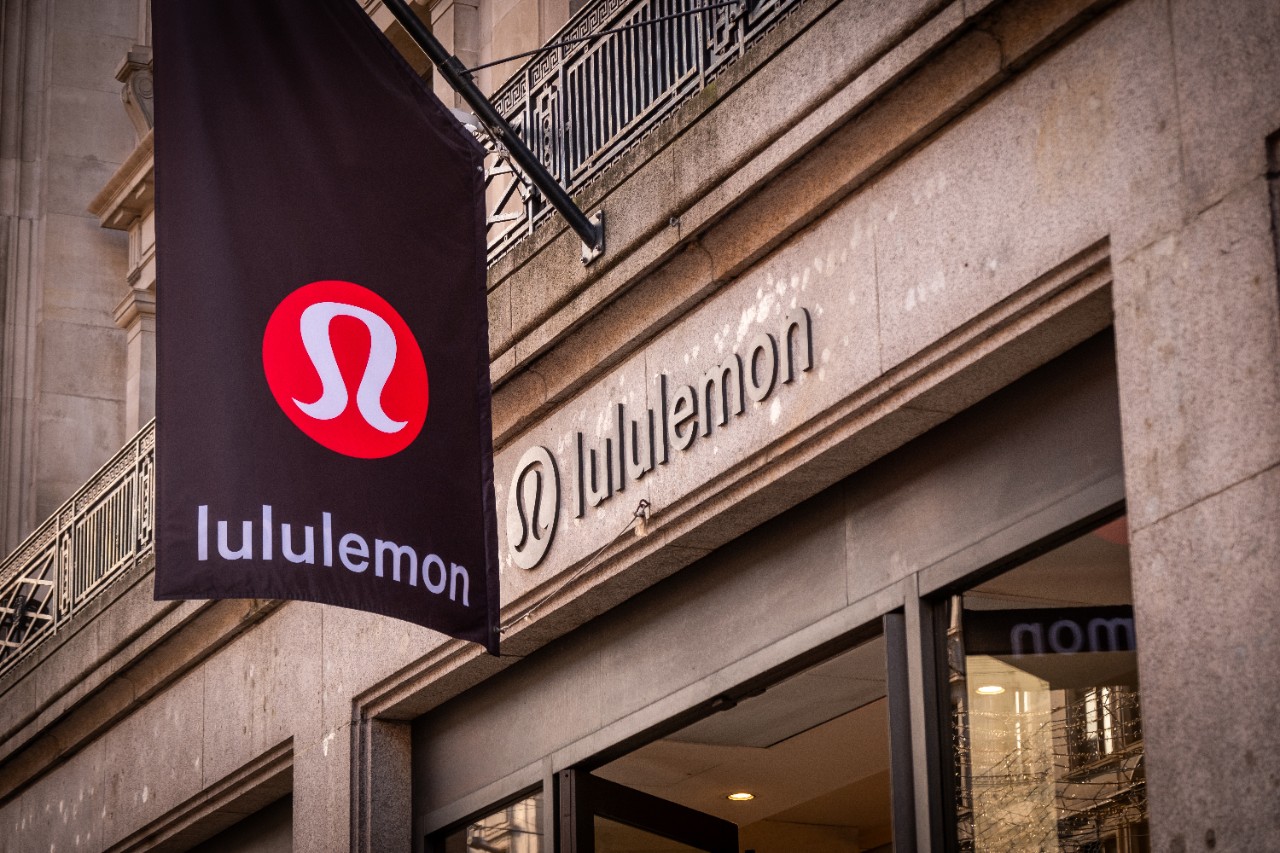
Photo: IG
Lululemon delivered another quarter of revenue growth and narrowly exceeded Wall Street's earnings expectations, but the company's latest outlook painted a far more challenging picture for the months ahead.
The premium athletic apparel retailer significantly reduced its full-year sales and profit forecasts while issuing weaker-than-expected guidance for the current quarter. Management pointed to a combination of slowing customer traffic, underperforming product launches, growing promotional activity, and lingering brand-related controversies that have weighed on consumer demand, particularly in North America.
The disappointing forecast triggered a sharp sell-off in the company's shares, extending what has already been a difficult year for one of the most recognizable names in athletic apparel.
A Strong Quarter Overshadowed by a Weak Outlook
While Lululemon managed to surpass analysts' expectations for both revenue and earnings during its fiscal first quarter, investors focused on the company's deteriorating outlook rather than its recent performance.
For the quarter ended May 3, Lululemon reported revenue of $2.47 billion, representing approximately 4% year-over-year growth and exceeding analyst estimates of $2.43 billion.
Earnings per share came in at $1.69, slightly ahead of expectations of $1.68.
Comparable sales, a key retail performance metric, increased 1%, outperforming analyst forecasts of 0.4%.
However, profitability deteriorated significantly. Net income fell to $195 million, or $1.69 per share, compared with $314.6 million, or $2.60 per share, during the same period a year earlier.
Despite the revenue beat, the company made it clear that growth has become increasingly difficult to sustain.
Why Lululemon Cut Its Forecast
Management attributed the weaker outlook to multiple factors affecting both customer demand and operational performance.
According to interim CEO and Chief Financial Officer Meghan Frank, negative media coverage and social media discussions surrounding the brand contributed to a decline in traffic toward the end of the quarter.
The company also acknowledged that several recent product launches failed to resonate with customers as strongly as anticipated.
While some new collections performed well, others generated significantly less consumer interest than expected, reducing sales momentum heading into the second quarter.
Executives indicated that public criticism linked to the company's highly publicized proxy battle with founder Chip Wilson, along with debates surrounding certain product materials and design choices, created additional pressure on customer sentiment.
Although management believes much of the negative publicity has faded, customer engagement has yet to return to previous levels.
Guidance Misses Wall Street Expectations
The most concerning element of the earnings report was the dramatic reduction in future expectations.
Lululemon now expects fiscal 2026 revenue to range between $11.0 billion and $11.15 billion, down from its previous forecast of $11.35 billion to $11.50 billion.
Analysts had been expecting approximately $11.48 billion in annual sales.
The company also reduced its earnings outlook by more than $1 per share.
Management now expects annual earnings per share between $10.95 and $11.15, compared with its previous guidance range of $12.10 to $12.30.
Wall Street had anticipated earnings of roughly $12.30 per share.
The near-term outlook appears equally challenging.
For the current quarter, Lululemon expects revenue between $2.45 billion and $2.48 billion, significantly below analyst expectations of approximately $2.60 billion.
Quarterly earnings are projected to fall between $1.76 and $1.81 per share, well below the consensus estimate of $2.68.
The guidance reduction suggests management expects continued pressure on both sales and profitability throughout much of the year.
North America Remains the Company's Biggest Problem
The company's largest challenge continues to be its performance in North America, which remains its most important market.
Comparable sales in the Americas declined 5% during the quarter, marking the fifth consecutive quarter of contraction in the region.
The trend has become increasingly concerning because North America generates the majority of Lululemon's revenue and profit.
Customer traffic remains soft, spending patterns have become more selective, and competition within the athletic apparel industry continues to intensify.
Major rivals including Nike, Athleta, Alo Yoga, Vuori, Adidas, and numerous emerging activewear brands are competing aggressively for market share in a slowing consumer environment.
Management expects the weakness to continue.
The company forecasts North American sales will decline by a low double-digit percentage during the current quarter and fall by a high single-digit percentage for the full fiscal year.
These projections suggest the turnaround may take longer than investors initially anticipated.
International Markets Continue to Shine
While North America struggles, international markets remain a bright spot for the company.
International revenue increased 22% during the quarter, significantly outperforming domestic operations.
Comparable sales outside North America rose 13%, demonstrating continued demand for the brand across key global markets.
China remains one of Lululemon's strongest growth engines.
Management expects sales in China to increase by a mid-to-high teens percentage during the current quarter and approximately 20% for the full year.
The Chinese market has become increasingly important as the company seeks to diversify away from slowing growth in the United States and Canada.
Other regions across Asia-Pacific and Europe are also contributing to international expansion, although they remain smaller compared to North America.
Margin Pressure Continues to Intensify
Sales growth is not the only concern facing Lululemon.
Profitability has emerged as an even greater challenge.
Gross margin fell 4.1 percentage points to 54.2%, missing analyst expectations and marking one of the most significant declines in recent years.
Several factors contributed to the deterioration.
Higher tariffs had the largest impact, reducing margins by approximately 2.8 percentage points.
Increased discounting and promotional activity also weighed on profitability as the company attempted to stimulate demand and clear excess inventory.
Historically, Lululemon built its reputation as a premium brand with limited reliance on discounts. The growing use of promotions raises concerns about potential long-term damage to pricing power and brand perception.
Management expects margin pressure to continue in the current quarter, forecasting another 4.1 percentage-point decline.
Higher tariffs, ongoing investments in stores, and increased markdown activity are expected to remain major headwinds.
Tariffs and Global Uncertainty Add More Challenges
Like many global retailers, Lululemon is facing a rapidly changing trade environment.
The company previously benefited from cross-border shipping advantages that reduced import costs for certain products entering the United States.
Changes in trade rules, combined with higher tariffs and ongoing geopolitical tensions, have significantly increased operating expenses.
Rising fuel prices and transportation costs linked to instability in the Middle East have added further pressure throughout the retail supply chain.
Although management expects to offset most tariff-related impacts over the course of the year through pricing adjustments, sourcing improvements, and operational efficiencies, the short-term financial impact remains substantial.
Leadership Transition Comes at a Critical Time
The company is also undergoing a major leadership transition.
Recently, Lululemon appointed longtime Nike executive Heidi O'Neill as its next Chief Executive Officer, ending months of uncertainty surrounding the company's future leadership structure.
O'Neill is widely respected within the athletic apparel industry and played a significant role in expanding Nike's women's business into a multibillion-dollar segment.
She also helped streamline product development processes and reduce product lead times during her tenure.
However, she will not officially assume leadership until September, meaning interim executives will continue overseeing operations during a critical period for the business.
Investors are hopeful that fresh leadership can help accelerate product innovation, strengthen brand positioning, and revive growth in North America.
Product Innovation Becomes a Top Priority
One of the most significant concerns raised by analysts is whether Lululemon's product pipeline remains strong enough to reignite consumer excitement.
Management acknowledged that not all recent launches met expectations, highlighting the importance of improving merchandising and accelerating product development.
The company has already made progress in shortening the time required to bring new products to market.
Product lead times have been reduced from approximately 18 to 24 months down to 15 to 16 months.
Management's long-term goal is to reduce that timeline even further to between 12 and 14 months, allowing the company to react faster to consumer trends and competitive pressures.
A more agile product strategy could become a key factor in restoring growth and maintaining relevance in an increasingly crowded activewear market.
The Road Ahead for Lululemon
Lululemon remains one of the strongest brands in the global athletic apparel industry, but its current challenges are becoming increasingly difficult to ignore.
Declining North American sales, weakening consumer traffic, margin compression, tariff pressures, and product execution issues have created a complex turnaround situation.
At the same time, the company continues to benefit from strong international expansion, growing demand in China, and a globally recognized premium brand.
The arrival of a new CEO, combined with efforts to improve product development and streamline operations, could eventually help restore momentum.
For now, however, investors appear focused on the near-term challenges. With sales expectations falling, profitability under pressure, and North America still struggling, Lululemon faces one of the most important transition periods in its recent history.
.webp)
Popular articles



Subscribe to unlock premium content
Bali’s Digital Detox Revolution

Elevating Perspectives with Drone Photography

Dinner Reinvented in Los Angeles

Bali’s Digital Detox Revolution
Elevating Perspectives with Drone Photography
Bali’s Digital Detox Revolution