
Lufthansa Braces for Fuel Cost Surge as Middle East Tensions Disrupt Global Aviation

Lufthansa Braces for Fuel Cost Surge as Middle East Tensions Disrupt Global Aviation
By
David Goldfarb
Last updated:
May 6, 2026
First Published:
May 6, 2026

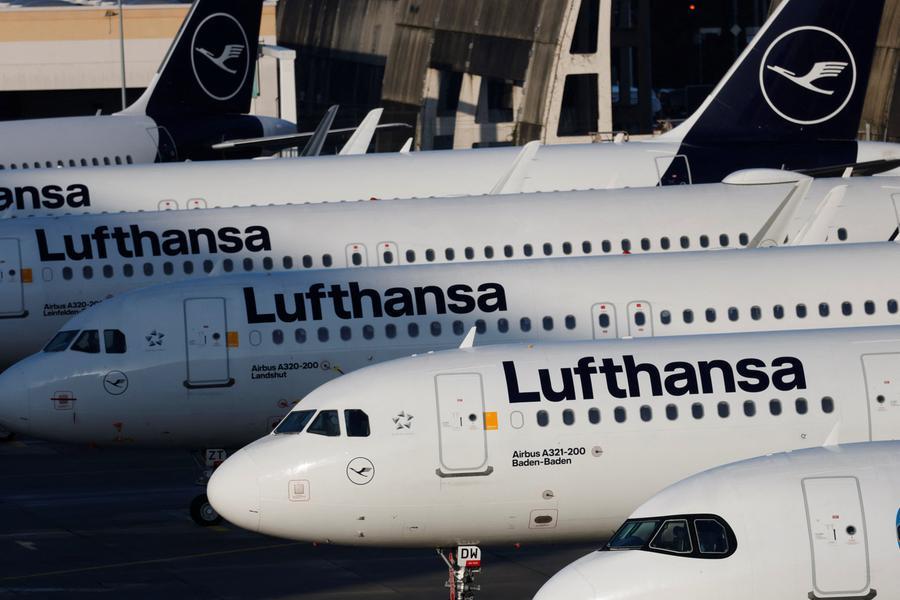
Photo: ZAWYA
Lufthansa is preparing for a sharp increase in operating costs as geopolitical tensions in the Middle East continue to disrupt global energy markets. The German aviation giant now expects to absorb an additional 1.7 billion euros in fuel expenses this year, equivalent to nearly $2 billion, highlighting the growing financial strain on airlines amid surging oil prices and supply uncertainty.
The warning comes alongside the company’s first-quarter earnings, which showed signs of operational improvement despite mounting external pressures. Revenue rose 8 percent year-on-year to 8.7 billion euros, reflecting steady travel demand and improved capacity utilization. The airline also narrowed its operating loss, reporting an adjusted EBIT loss of 612 million euros compared to deeper losses in the same period last year. Net income stood at 665 million euros, down from 885 million euros a year earlier, indicating that profitability remains under pressure.
Lufthansa has attempted to cushion the impact of rising fuel prices through hedging strategies, locking in approximately 80 percent of its jet fuel requirements. However, the remaining exposure, combined with elevated global prices, is expected to significantly increase costs. The company has indicated it will rely on a combination of efficiency measures and higher ticket prices to offset the financial hit heading into 2026.
The broader challenge stems from escalating disruptions in global fuel supply chains. The ongoing conflict in the Middle East has intensified concerns over access to key shipping routes, particularly the Strait of Hormuz, a critical artery for global oil and refined fuel transport. Any prolonged disruption in this region has immediate consequences for jet fuel availability, especially in Europe.
Industry data underscores the severity of the situation. Jet fuel prices surged by over 100 percent in a single month earlier this year, creating one of the most volatile cost environments airlines have faced in decades. At the same time, demand for air travel is rebounding strongly, placing additional pressure on already strained fuel supplies.
The International Energy Agency has warned that Europe could face a jet fuel shortage in the near term. The region relies heavily on imports, with approximately 75 percent of its jet fuel historically sourced from Middle Eastern refineries. Compounding the issue, some Asian suppliers have introduced export restrictions, forcing European buyers to seek alternative sources from markets such as the United States and Nigeria.
As peak summer travel approaches, demand for jet fuel is expected to rise sharply, potentially increasing by as much as 40 percent compared to early-year levels. This mismatch between supply and demand is likely to keep prices elevated and volatility high.
In response, Lufthansa has already taken operational steps to mitigate fuel consumption. The airline has reduced approximately 20,000 short-haul flights, targeting savings of around 40,000 metric tons of jet fuel. These cuts are primarily focused on less profitable routes, reflecting a broader industry shift toward capacity optimization and cost discipline.
The pressure is not limited to Lufthansa. Across Europe, airlines are grappling with similar challenges. EasyJet, for example, reported an additional £25 million in fuel costs in March alone and expects a significant pre-tax loss for the first half of the year. The carrier has hedged around 70 percent of its summer fuel needs, leaving a portion of its exposure vulnerable to ongoing price swings.
Consumer behavior is also shifting in response to economic uncertainty. Airlines are seeing passengers delay bookings, reducing visibility on future demand and complicating revenue forecasting. This trend, combined with rising operating costs, is forcing carriers to carefully balance pricing strategies to avoid dampening demand while protecting margins.
Despite these headwinds, Lufthansa remains cautiously optimistic about its ability to navigate the الأزمة. Management has emphasized the company’s resilience, citing improved operational performance and ongoing cost-control initiatives. However, the scale of the current energy shock presents a significant test for the entire aviation sector.
With fuel typically accounting for 20 to 30 percent of an airline’s total operating costs, sustained price increases can quickly erode profitability. If geopolitical tensions persist and supply constraints worsen, airlines may face a prolonged period of financial pressure, potentially leading to higher ticket prices, reduced capacity, and further consolidation within the industry.
The coming months will be critical. As global energy markets remain volatile and travel demand continues to recover, airlines like Lufthansa are being forced to adapt rapidly to a new operating environment where fuel risk once again dominates the economic landscape.
.webp)
Popular articles



Subscribe to unlock premium content
How Palau’s Hidden Jellyfish Lakes Are Monetized as Ultra-Premium Adventure Destinations
.png)
When Art Meets Luxury: Louis Vuitton’s Explosive Collaborations
How Slovenia’s Cave Systems Are Monetized as High-End Adventure Tourism Spots

How Palau’s Hidden Jellyfish Lakes Are Monetized as Ultra-Premium Adventure Destinations
When Art Meets Luxury: Louis Vuitton’s Explosive Collaborations
How Palau’s Hidden Jellyfish Lakes Are Monetized as Ultra-Premium Adventure Destinations


