LIV Golf Faces Funding Uncertainty as Saudi Backing Timeline Tightens Ahead of 2026 Deadline

LIV Golf Faces Funding Uncertainty as Saudi Backing Timeline Tightens Ahead of 2026 Deadline
By
David Goldfarb
Last updated:
June 10, 2026
First Published:
June 10, 2026

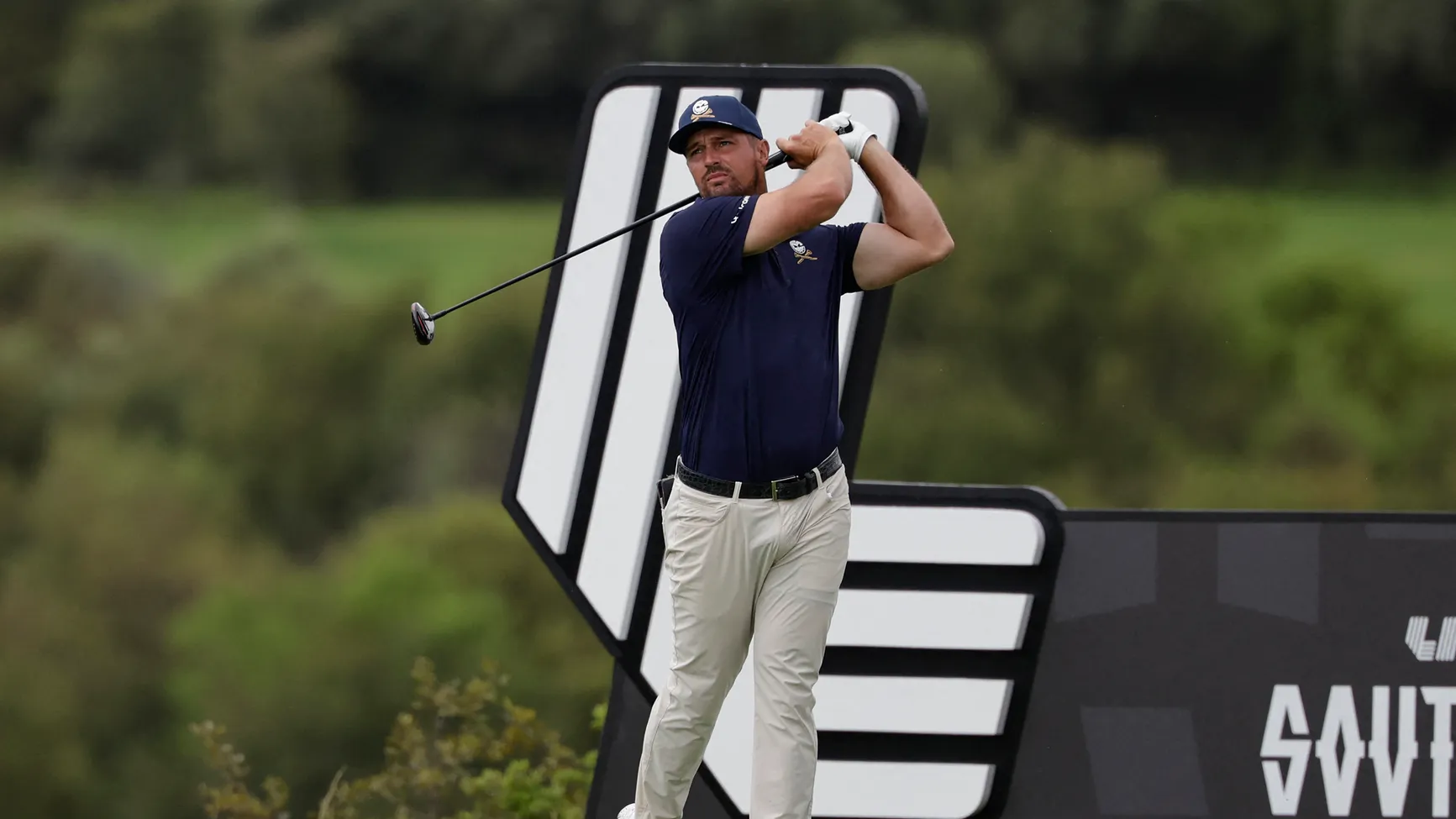
LIV Golf Navigates a High-Stakes Financial Transition
LIV Golf is approaching a pivotal moment in its short but highly disruptive history, as questions intensify over its long-term funding structure and operational sustainability.
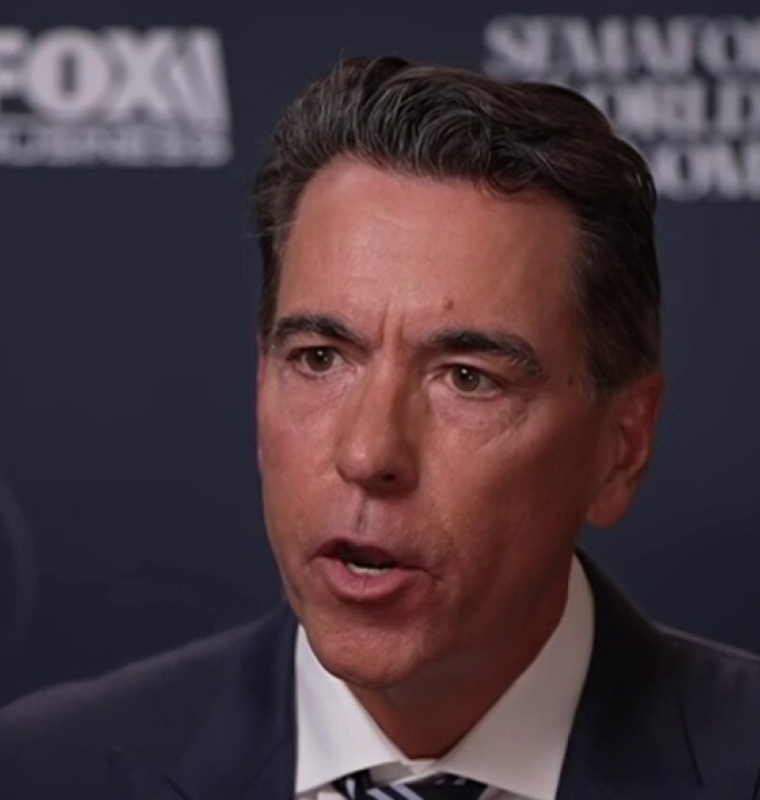
Chief Executive Officer Scott O’Neil confirmed that the organization is relying on assurances from Saudi Arabia’s Public Investment Fund (PIF) to continue financing the league through the remainder of the current season and beyond.
However, with PIF expected to withdraw its direct funding commitment after the 2026 season, the league is now operating within a defined financial runway that is reshaping its strategic priorities.
The situation places LIV Golf at a crossroads, balancing strong commercial ambitions with increasing pressure to secure independent funding sources.
Confidence in Saudi Commitment Despite Market Uncertainty
O’Neil emphasized that the organization continues to trust its primary financial backer, describing the Public Investment Fund as a highly reliable partner with a consistent track record of support.
He reiterated that LIV Golf is proceeding under the assumption that funding commitments made by PIF will be honored through the current season, ensuring that scheduled tournaments will continue as planned.
While recent media reports have raised speculation about the possibility of an earlier-than-expected withdrawal of support, LIV leadership maintains that internal operations remain stable and fully committed to delivering the existing competition calendar.
Still, uncertainty around long-term backing has introduced new pressure on the organization’s financial planning and investor outreach strategy.
Defined Funding Deadline Raises Strategic Pressure
According to previously reported timelines, Saudi Arabia’s Public Investment Fund is expected to end its direct financial support for LIV Golf following the conclusion of the 2026 season.
This creates a fixed timeline for the league to transition toward a more self-sustaining financial model or secure alternative long-term investors.
The departure of PIF Chairman Yasir Al-Rumayyan from his role as LIV Golf chairman has further reinforced the perception of a shifting governance and funding structure within the organization.
Although the league continues to operate under strong financial backing today, the prospect of a funding gap beyond 2026 is driving an accelerated push for external capital.
Investor Roadshow Targets Hundreds of Millions in New Capital
In response to the looming funding transition, LIV Golf has launched an investor roadshow aimed at raising up to $350 million from external stakeholders.
The capital raise is intended to support ongoing operations, stabilize long-term planning, and reduce reliance on a single sovereign funding source.
According to internal updates, the organization has already held multiple formal investor meetings, with additional discussions scheduled across a compressed timeframe as it seeks to close commitments during the current fundraising cycle.
Early engagement with potential investors has reportedly been positive, with interest coming from a mix of private capital groups, sports investment funds, and global entertainment stakeholders.
The league is aiming to complete its fundraising process within the summer window, reflecting a sense of urgency driven by tightening timelines.
Questions Over Tournament Security and Scheduling
Despite assurances from leadership, uncertainty remains over the full execution of LIV Golf’s competitive calendar.
Recent reports have raised questions about whether all remaining events on the schedule are fully secured, particularly in the context of shifting funding dynamics and evolving investor negotiations.
When asked about guarantees for upcoming tournaments, O’Neil declined to provide explicit assurances, instead emphasizing the organization’s long-term value proposition and growth potential.
He highlighted that LIV Golf remains focused on delivering strong commercial returns and building a scalable sports entertainment platform, even amid financial restructuring discussions.
Strategic Shift Toward Financial Discipline and Value Creation
With its funding model under pressure, LIV Golf is now emphasizing operational efficiency and long-term value creation as central pillars of its strategy.
Leadership has described the next phase of the organization’s development as requiring greater financial discipline, improved capital allocation, and stronger commercial monetization.
The league is increasingly focused on expanding media rights value, sponsorship revenue, global audience engagement, and premium event experiences as part of its broader business model evolution.
Executives believe that the combination of elite players, global branding, and high-profile events positions LIV Golf as a potentially valuable long-term sports asset if financial stability can be achieved.
Investor Interest Builds but Timeframe Remains Tight
Despite the funding challenges, LIV Golf reports ongoing engagement with potential investors.
O’Neil noted that multiple structured discussions have already taken place, with additional meetings scheduled as the organization accelerates outreach efforts.
However, he acknowledged that the timeline for securing capital is limited, creating a compressed environment for negotiation and decision-making.
This urgency reflects broader concerns in sports investment markets, where large-scale leagues often require sustained capital injections before achieving profitability or stable cash flow.
Competitive Landscape and Industry Context
LIV Golf continues to operate within a highly competitive global sports ecosystem dominated by established organizations such as the PGA Tour.
The league’s financial structure has been closely tied to sovereign wealth investment, which has enabled rapid expansion but also introduced dependency risks as funding timelines evolve.
Industry analysts note that LIV Golf’s long-term viability will likely depend on its ability to diversify revenue streams, expand broadcast reach, and build a sustainable global fan base independent of external capital support.
At the same time, increasing competition for sports media rights and live event audiences presents both opportunities and challenges for emerging leagues.
The Road Ahead for LIV Golf
As LIV Golf moves closer to its defined funding transition point, the organization faces a dual challenge: maintaining operational stability in the short term while building a sustainable business model for the future.
The reliance on Saudi Arabia’s Public Investment Fund has enabled rapid global expansion, high player acquisition costs, and premium event production. However, the upcoming funding deadline introduces a structural shift that will test the league’s commercial resilience.
Whether LIV Golf can successfully transition from sovereign-backed expansion to independently sustained growth will likely determine its long-term position within global professional golf.
For now, the league continues to operate under the assumption of full-season funding support, while simultaneously accelerating efforts to secure its financial future beyond 2026.
.webp)
Popular articles



Subscribe to unlock premium content
When Cartier Sets the Auction Stage Every Piece Becomes a Global Investment
Crystal Dreams in the Salt Flats

Frozen Opulence in Lapland

When Cartier Sets the Auction Stage Every Piece Becomes a Global Investment
Crystal Dreams in the Salt Flats
When Cartier Sets the Auction Stage Every Piece Becomes a Global Investment