Vinted Signals Structural Shift in Consumer Behaviour as Secondhand Marketplace Hits $9 Billion Valuation

Vinted Signals Structural Shift in Consumer Behaviour as Secondhand Marketplace Hits $9 Billion Valuation
By
Augusta Parker
Last updated:
June 10, 2026
First Published:
June 10, 2026

.webp)
Photo: Bloomberg
Vinted’s Growth Reflects a Deep Shift in Consumer Spending Behaviour
Vinted, the consumer-to-consumer marketplace known for enabling users to buy and sell secondhand clothing and other goods, is experiencing what executives describe as a structural transformation in how people approach consumption.
The company has seen rapid expansion in recent years, driven by global cost-of-living pressures, changing attitudes toward sustainability, and increasing acceptance of resale platforms as a mainstream shopping channel.
According to the company, the total value of items sold on its platform increased by nearly 50 percent in the past year alone, reflecting both higher transaction volumes and broader geographic expansion across Europe.
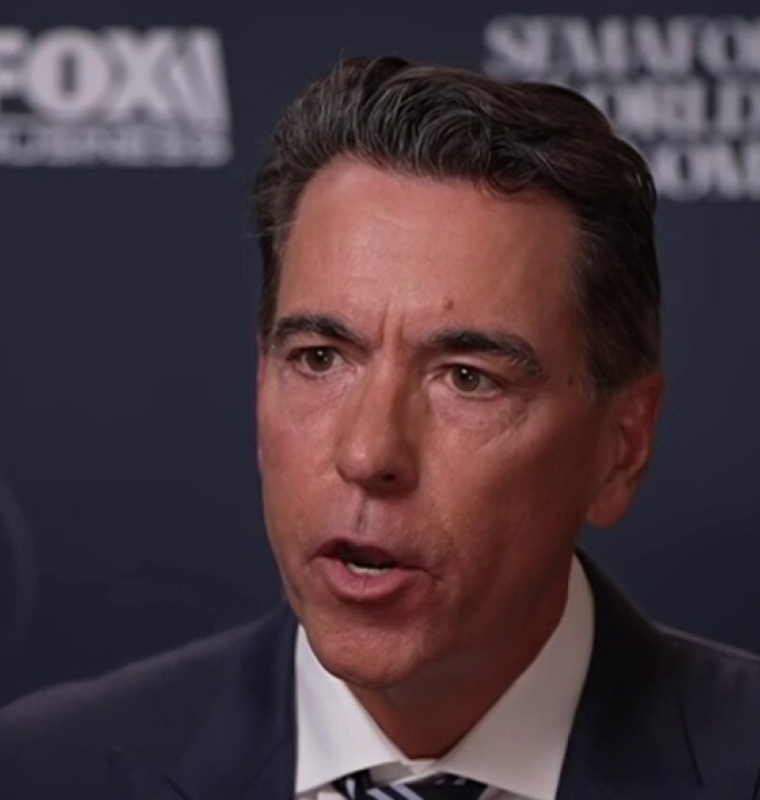
CEO of Vinted Marketplace Adam Jay said the shift represents a fundamental change in consumer behaviour, where secondhand purchasing is becoming a default option rather than a secondary choice.
He emphasized that the platform was already growing strongly before inflationary pressures intensified, but that economic conditions have accelerated adoption and reinforced long-term usage patterns.
$9 Billion Valuation Signals Investor Confidence in Resale Economy
Vinted’s rapid growth has translated into strong investor confidence, with the company recently valued at more than $9 billion following a major secondary share transaction.
The deal, valued at approximately €880 million, allowed existing shareholders and employees to sell shares while bringing in new long-term institutional investors, including major global asset managers.
Importantly, the transaction did not involve raising new primary capital, highlighting that Vinted is already financially stable and does not face immediate funding pressure.
The company’s ability to attract long-term investors reflects growing recognition of the resale economy as a durable and expanding segment of global retail.
Profitability and Revenue Growth Highlight Scale of Expansion
Vinted’s financial performance underscores the scale of its expansion.
The company reported a 38 percent increase in revenue, reaching approximately €1.1 billion in the most recent fiscal period.
At the same time, gross merchandise value rose by 47 percent to around €10.8 billion, indicating strong growth in overall platform activity and transaction volume.
However, net profit declined by 19 percent year over year, reflecting increased investment in logistics infrastructure, payments systems, and international expansion initiatives.
Despite the profit decline, executives argue that these investments are essential to building a scalable global marketplace capable of competing with larger established platforms.
Secondhand Economy Grows Faster Than Traditional Retail
Market research indicates that the secondhand apparel sector is expanding at roughly twice the pace of traditional retail fashion markets.
This acceleration is being driven by multiple structural forces, including rising cost sensitivity among consumers, increased environmental awareness, and improved digital infrastructure that makes peer-to-peer selling more efficient.
Vinted has positioned itself at the center of this shift by offering a simplified user experience that reduces friction in listing, buying, and shipping secondhand items.
The company estimates that users saved more than €21.6 billion on fashion purchases in 2025 by choosing secondhand alternatives, paying on average around 72 percent less compared to retail prices.
“Vinted Math” Becomes Core Consumer Behaviour Trend
A key concept emerging from Vinted’s user base is what the company calls “Vinted math,” a behavioural shift where consumers factor resale value into purchasing decisions.
Instead of viewing items as one-time purchases, users increasingly consider how much value they can recover by reselling goods later.
This shift has contributed to stronger engagement and higher transaction frequency, reinforcing a circular consumption model that blends sustainability with cost efficiency.
Executives believe this behavioural change is one of the strongest indicators that resale platforms are becoming embedded in mainstream shopping habits rather than operating as niche marketplaces.
Expansion Beyond Fashion and Into New Categories
Originally focused on fashion, Vinted is now expanding into additional product categories including electronics, home goods, and furniture.
The company initially hesitated to broaden its offering due to concerns that expanding categories could complicate the platform and reduce the simplicity that users value.
However, strong organic behaviour from users listing non-fashion items prior to official expansion signals that demand already exists beyond apparel.
This internal validation helped the company decide to move into a broader marketplace strategy while maintaining its core user experience design principles.
Geographic Expansion and Entry Into the United States
Vinted currently operates in 26 countries, with its strongest markets concentrated in France and the United Kingdom.
The company has also maintained a presence in the United States since 2013, but only recently began actively investing in marketing and user acquisition efforts in the region.
Executives see the U.S. as a significant long-term opportunity, although they acknowledge that scaling a European-style resale model in the American market will take time and sustained investment.
Challenges include higher logistics costs, fragmented shipping infrastructure, and strong competition from established platforms such as eBay, which reported gross merchandise value of approximately $79.6 billion in 2025.
Building Logistics and Payments Infrastructure
To support its global expansion, Vinted is investing heavily in logistics and payments infrastructure through initiatives such as Vinted Go and Vinted Pay.
These systems are designed to streamline shipping, reduce friction between buyers and sellers, and improve transaction reliability across markets.
However, these investments have increased operating costs and contributed to short-term pressure on profitability as the company scales its infrastructure ahead of future growth.
Competitive Landscape and Industry Consolidation
The resale and fashion marketplace sector is becoming increasingly competitive, with major platforms expanding aggressively into secondhand retail.
For example, large marketplace operators are strengthening their presence in fashion resale through acquisitions and platform integrations aimed at capturing younger demographics and higher-margin categories.
This consolidation trend is expected to intensify as resale continues to gain market share from traditional retail channels.
IPO Speculation Builds but Timeline Remains Unclear
Vinted’s strong valuation and financial performance have fueled ongoing speculation about a potential initial public offering.
However, executives have not provided a clear timeline, and the company’s current financial position suggests it is under no immediate pressure to go public.
The combination of strong revenue growth, cash-positive operations, and continued private funding flexibility gives Vinted the ability to delay listing decisions while continuing to scale globally.
Long-Term Outlook: Resale Becomes Mainstream Retail Layer
Vinted’s leadership maintains that secondhand commerce is no longer a niche behaviour but a long-term structural shift in global retail.
As inflation, sustainability concerns, and digital marketplace adoption converge, resale platforms are increasingly positioned as a permanent layer within the broader retail ecosystem.
For Vinted, the strategy now focuses on expanding categories, entering new geographic markets, and investing in infrastructure that supports global scale while preserving the simplicity that drove its early growth.
The company’s trajectory suggests that secondhand commerce is transitioning from an alternative shopping channel into a core component of modern consumer behaviour.
.webp)
Popular articles



Subscribe to unlock premium content
When Cartier Sets the Auction Stage Every Piece Becomes a Global Investment

Crystal Dreams in the Salt Flats

Frozen Opulence in Lapland

When Cartier Sets the Auction Stage Every Piece Becomes a Global Investment
Crystal Dreams in the Salt Flats
When Cartier Sets the Auction Stage Every Piece Becomes a Global Investment