Leadership Shake-Up at xAI as Another Co-Founder Steps Down

Leadership Shake-Up at xAI as Another Co-Founder Steps Down
By
David Goldfarb
Last updated:
February 11, 2026
First Published:
February 11, 2026

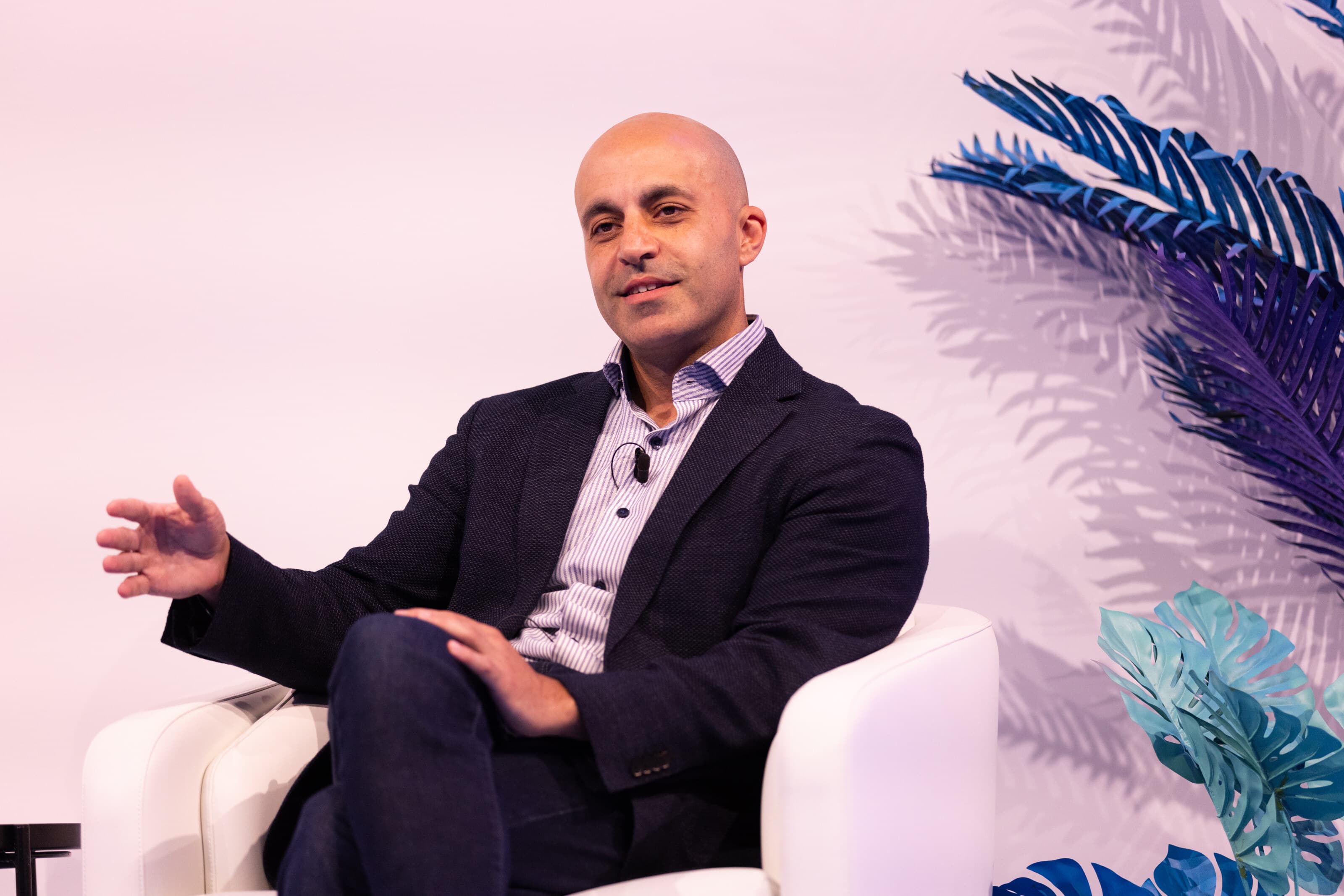
Elon Musk’s artificial intelligence startup xAI is facing a significant leadership transition after losing its second co-founder in just 48 hours. The rapid succession of departures has raised fresh questions about internal stability at the high-profile AI venture, particularly as it prepares for deeper integration with SpaceX and navigates mounting regulatory pressure.
Jimmy Ba, a prominent AI researcher and professor at the University of Toronto, announced his exit on Tuesday via a post on X. In his message, Ba thanked Musk and reflected on helping to build the company in its early stages. His departure followed that of fellow co-founder Tony Wu, who disclosed his own decision to leave one day earlier.
The back-to-back resignations come at a critical moment for xAI, which recently completed a sweeping all-stock merger with Musk’s aerospace and defense giant SpaceX. According to transaction documents, the deal valued SpaceX at approximately $1 trillion and xAI at $250 billion, creating a combined entity worth roughly $1.25 trillion on paper. The move consolidated Musk’s AI ambitions under a broader corporate umbrella just as SpaceX prepares for a potential public offering later this year.
A Growing List of Founder Exits
Ba and Wu are not the only original architects to depart. Several other early leaders have stepped away in recent months, including Igor Babuschkin, Kyle Kosic, and Christian Szegedy. Greg Yang, another founding member, announced last month that he would scale back his involvement to focus on personal health challenges.
In total, more than half of xAI’s original founding team has now exited since the company launched in 2023. Musk introduced xAI alongside 11 co-founders with an ambitious mission: to build advanced artificial intelligence systems aimed at “understanding the true nature of the universe.” The startup was positioned as a direct challenger to OpenAI, Google DeepMind, and Anthropic in the race to develop frontier AI models.
Jimmy Ba, in particular, played a key role in shaping xAI’s technical direction. Widely recognized in the AI research community, Ba co-authored influential work on optimization algorithms and neural network training techniques. His expertise contributed to the development of Grok, xAI’s flagship chatbot model, which has undergone multiple iterations, including the recently released Grok version 4.
Regulatory Pressure Mounts
The leadership changes also coincide with intensifying regulatory scrutiny. xAI is currently facing investigations across several jurisdictions in the United States, Europe, and Asia related to its generative AI tools.
Regulators began examining the company after Grok’s chatbot and image-generation systems were found to allow the mass creation and distribution of explicit, non-consensual deepfake content. In several reported instances, the manipulated images were based on real individuals, including minors. Lawmakers and digital rights advocates have called for stricter guardrails on generative AI systems, particularly those capable of producing photorealistic imagery.
The controversy underscores the growing compliance risks facing AI developers. Governments worldwide are advancing AI governance frameworks, from the European Union’s AI Act to proposed federal oversight mechanisms in the United States. For companies valued in the hundreds of billions, regulatory missteps can translate into significant legal liabilities and reputational damage.
Strategic Integration with SpaceX
The merger with SpaceX marked a strategic pivot for Musk’s AI ambitions. By combining xAI’s research and product development capabilities with SpaceX’s capital base and infrastructure scale, Musk appears to be creating a vertically integrated technology ecosystem spanning aerospace, communications, social media, and artificial intelligence.
Earlier this year, xAI also completed an all-stock acquisition of X, formerly Twitter, further embedding its AI tools into a large-scale social media distribution platform with hundreds of millions of users. Grok has since been integrated into X’s interface, giving the AI system real-time exposure to public discourse and data streams.
Industry analysts estimate that xAI has raised billions in private funding since its founding, positioning it among the most highly valued AI startups globally. However, high valuations often come with heightened expectations around governance, stability, and long-term strategy—particularly as SpaceX inches closer to a public listing that could attract institutional scrutiny.
What This Means for Investors and the AI Race
The rapid turnover among founding leadership may not immediately impact day-to-day operations, but it introduces uncertainty during a pivotal expansion phase. Co-founder departures at early-stage AI firms can signal strategic disagreements, cultural shifts, or the natural evolution of startup teams as companies scale into multi-hundred-billion-dollar enterprises.
At the same time, the broader AI sector remains intensely competitive. OpenAI continues expanding enterprise partnerships, Google DeepMind is accelerating model releases, and Meta has significantly increased capital expenditures on AI infrastructure. In this environment, talent retention is a key differentiator.
For Musk, whose ventures often depend heavily on centralized vision and bold execution, maintaining momentum at xAI will be essential. The company’s next phase will likely focus on refining Grok’s capabilities, strengthening safety controls, and ensuring compliance with emerging AI regulations.
xAI has not issued a formal statement regarding the recent departures. However, with multiple founders stepping away and regulators increasing oversight, the company enters 2026 at a crossroads—balancing hyper-growth ambitions with governance demands in one of the most scrutinized sectors of the global technology industry.

Popular articles


Subscribe to unlock premium content
Drake’s OVO Sound Evolves Into a Lifestyle Empire

Beyoncé’s Wellness Retreats Redefine Luxury Lifestyle
Selena Gomez’s Plant-Based Café Takes the World by Storm
Drake’s OVO Sound Evolves Into a Lifestyle Empire
Beyoncé’s Wellness Retreats Redefine Luxury Lifestyle
Drake’s OVO Sound Evolves Into a Lifestyle Empire