Estée Lauder Sues Walmart Over Alleged Sale of Counterfeit Beauty Products

Estée Lauder Sues Walmart Over Alleged Sale of Counterfeit Beauty Products
By
Alina Sinclair
Last updated:
February 11, 2026
First Published:
February 11, 2026

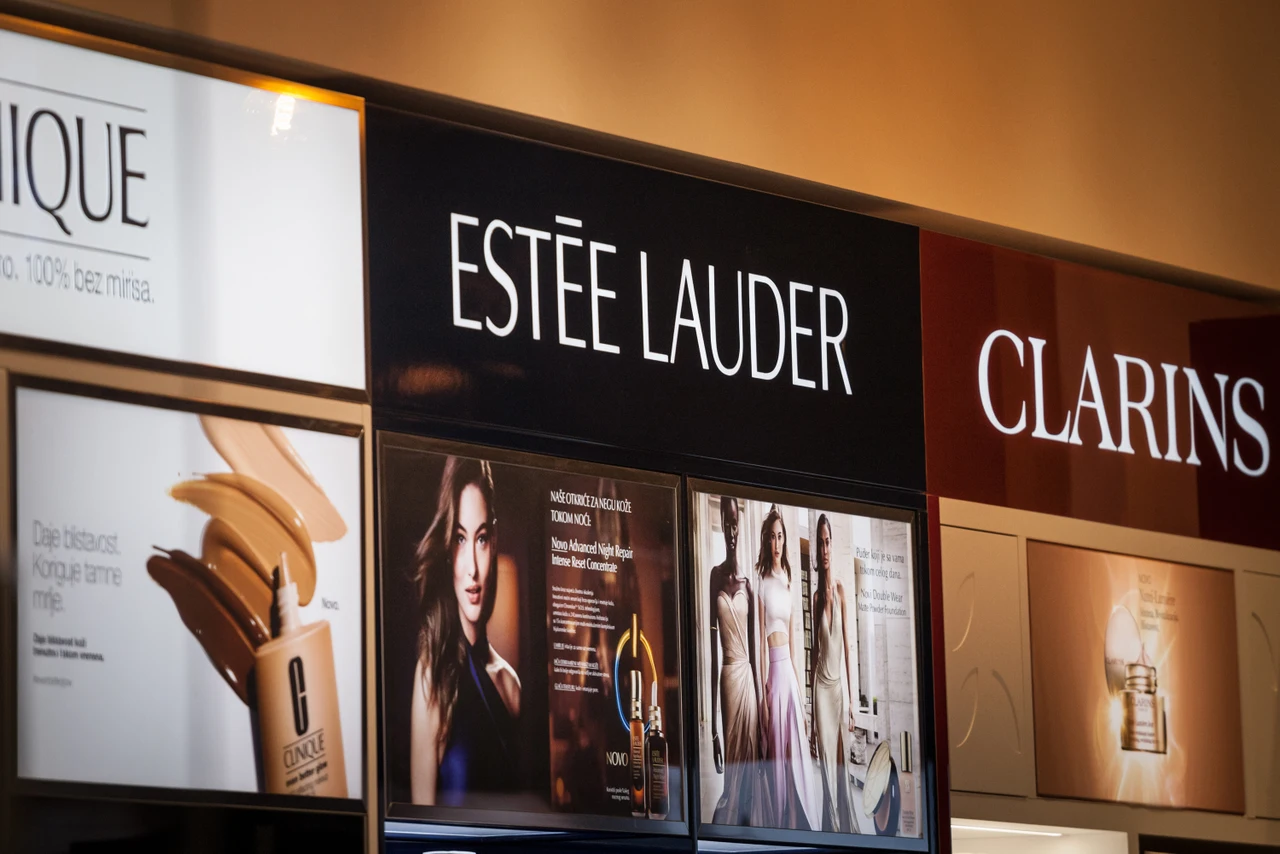
Photo: Seeking Alpha
Estée Lauder has filed a federal lawsuit against Walmart in California, alleging that the retail giant allowed counterfeit beauty products to be sold on its online marketplace. The complaint claims the retailer not only permitted the sale of fake items but actively facilitated their promotion to consumers, describing Walmart’s conduct as “despicable, extreme and harmful.”
Counterfeit Products and Brands Implicated
The lawsuit targets counterfeit products from several high-profile brands under the Estée Lauder umbrella, including:
- Estée Lauder Advanced Night Repair serum
- Clinique Smart Clinical Repair Wrinkle Correcting Eye Cream
- Le Labo fragrances
- La Mer lotions
- Aveda hair brushes
- Tom Ford fragrances
Estée Lauder said it purchased and tested multiple items sold on Walmart.com that bore these trademarks and determined they were counterfeit. Some of the products cited in the lawsuit overlap with a CNBC investigation from several months ago, which highlighted widespread fraud and fake beauty products on Walmart’s platform.
Allegations Against Walmart
While the items were sold by third-party sellers, Estée Lauder contends that Walmart played an active role in facilitating their sales. The company alleges that counterfeit products were promoted using Walmart’s search engine optimization tools, and the listings were displayed in a way that could make shoppers reasonably believe Walmart itself was the seller.
The complaint asserts that Walmart profited from these sales and failed to enforce sufficient vetting procedures despite claiming to carefully select and regularly review marketplace partners. Estée Lauder called the retailer’s behavior “fraudulent” and said it caused confusion among consumers, potentially harming the company’s brand reputation.
Walmart’s Response
Walmart has stated it maintains “zero tolerance for counterfeit products” and will respond appropriately in court. Previously, Walmart told CNBC that all marketplace sellers are required to offer authentic merchandise, though the company later revised the statement to remove that language.
The lawsuit underscores the tension between online marketplaces and luxury brands over counterfeit goods. Legal precedent, including the 2010 Tiffany v. eBay case, has made it challenging for brands to hold platforms accountable unless the conduct is egregious, which Estée Lauder argues is the case here.
The Broader Context of Marketplace Liability
Counterfeit products on major e-commerce platforms remain a significant concern. The Shop Safe Act, a bipartisan federal bill, has been introduced multiple times to incentivize marketplaces to better vet sellers and products. Compliance with such measures could shield platforms from liability if a seller offers a fake item. However, the legislation has failed to pass, in part due to lobbying by Walmart, Amazon, Etsy, and eBay.
Business Implications
Walmart’s online marketplace has been a key growth driver, helping the company reach a $1 trillion market capitalization last week. But the rise of third-party sales also exposes the retailer to reputational and legal risks, particularly when counterfeit or potentially unsafe products enter the supply chain. For Estée Lauder, the lawsuit represents an effort to protect its luxury brand portfolio and assert accountability over online sales channels.
The case is set to test the limits of platform liability and could influence future regulations and enforcement actions against online marketplaces in the U.S.
.webp)
Popular articles



Subscribe to unlock premium content
LEGO Boutique Flagship Stores Are Redefining Global Play
How Boutique Safari Camps in Kenya Are Creating Premium Eco Experiences

Discovering Southeast Asia’s Private Culinary Travel Boom

LEGO Boutique Flagship Stores Are Redefining Global Play
How Boutique Safari Camps in Kenya Are Creating Premium Eco Experiences
LEGO Boutique Flagship Stores Are Redefining Global Play