Lawmakers Push for Insider Trading Probe After Suspicious Pre-Announcement Market Moves

Lawmakers Push for Insider Trading Probe After Suspicious Pre-Announcement Market Moves
By
Alina Sinclair
Last updated:
April 9, 2026
First Published:
April 25, 2026


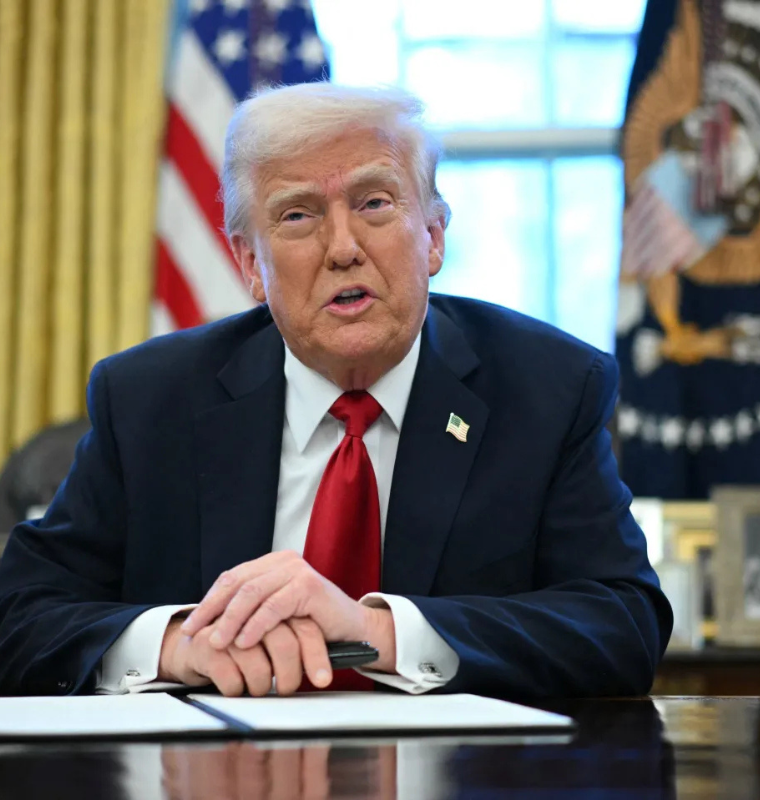
A new wave of scrutiny is building in Washington as questions emerge over whether sensitive government decisions may have been exploited for financial gain. Ritchie Torres is calling for a federal investigation into a surge of highly timed trades in oil and equity futures markets that occurred just minutes before a major geopolitical announcement by Donald Trump.
The controversy centers on trading activity that preceded the administration’s decision to pause military action targeting Iran’s energy infrastructure, a move that had immediate and significant implications for global markets.
Unusual Trading Activity Sparks Alarm
According to market data and reports cited by Torres, more than $500 million in crude oil futures trades were executed within a narrow 15-minute window prior to the public announcement of a five-day halt in hostilities.
This surge in trading was not only unusually large in scale but also strategically positioned. Market participants appeared to anticipate a decline in oil prices and a simultaneous rebound in equities, both of which aligned with the market reaction following the announcement.
Such precision has raised serious concerns among regulators and lawmakers, as it suggests the possibility that traders may have had access to material nonpublic information.
Call for Regulatory Investigation
In a formal letter addressed to the leadership of the Securities and Exchange Commission and the Commodity Futures Trading Commission, Torres urged authorities to launch a comprehensive investigation into the trades.
He emphasized the need to obtain full trading records, identify the entities involved, and determine whether any individuals or institutions acted on privileged information tied to government decision-making.
Torres described the situation as potentially one of the largest insider trading cases in modern financial history, pointing to the scale, timing, and directional accuracy of the trades as key red flags.
Market Sensitivity to Geopolitical Decisions
The case highlights how deeply financial markets are intertwined with geopolitical developments. Decisions related to military action, sanctions, or ceasefires can trigger immediate shifts in commodity prices, equity valuations, and investor sentiment.
Oil markets, in particular, are highly sensitive to developments involving Iran due to its strategic position in global energy supply chains. Any signal of de-escalation tends to push prices lower, while escalation drives them higher.
Equity markets often react inversely, with reduced geopolitical risk supporting investor confidence and driving stock prices upward.
This dynamic creates opportunities for profit — but also raises the stakes for potential abuse when information is not equally accessible to all market participants.
Broader Concerns Around Insider Trading
This is not the first time Torres has raised concerns about suspicious market behavior linked to political events. Earlier in the year, he flagged irregular betting activity on prediction platforms ahead of major geopolitical developments involving Venezuela.
In response, he introduced legislation aimed at restricting government officials, staff members, and politically connected individuals from trading or betting on events tied to policy decisions when they possess nonpublic information.
While the proposal has gained support among some lawmakers, its prospects remain uncertain, particularly in a divided political environment.
Regulatory Pressure Intensifies
The latest allegations have added pressure on financial regulators to demonstrate stronger oversight in increasingly complex and fast-moving markets.
The SEC and CFTC are already facing scrutiny over their ability to monitor not only traditional financial instruments but also emerging platforms such as offshore prediction markets, where regulatory frameworks are less defined.
Lawmakers argue that gaps in oversight could allow sophisticated actors to exploit geopolitical events for financial gain, undermining market integrity and investor trust.
Implications for Market Transparency
If proven, the case could have far-reaching consequences for how markets are regulated and how government information is handled.
Insider trading tied to geopolitical decisions represents a particularly sensitive area, as it blurs the line between national security and financial markets. Ensuring transparency and fairness in such cases is critical to maintaining confidence in both institutions.
For investors, the situation serves as a reminder of the risks associated with markets driven by sudden policy shifts and breaking news. For regulators, it underscores the need for faster detection systems, enhanced data analysis, and stricter enforcement mechanisms.
As investigations potentially unfold, the focus will remain on whether these trades were the result of coincidence, strategic speculation, or something far more serious.
.webp)
Popular articles



Subscribe to unlock premium content
The Hidden World of Ultra-Rare Seaweed Farming

Riding Waves and Wealth in Bali

The Market for Renting Private Libraries Where Only Rare, Unpublished Manuscripts Exist

The Hidden World of Ultra-Rare Seaweed Farming
Riding Waves and Wealth in Bali
The Hidden World of Ultra-Rare Seaweed Farming