Lawmakers Launch Probe Into Suspected Insider Trading Linked to U.S. Policy Decisions

Lawmakers Launch Probe Into Suspected Insider Trading Linked to U.S. Policy Decisions
By
David Goldfarb
Last updated:
April 3, 2026
First Published:
April 25, 2026

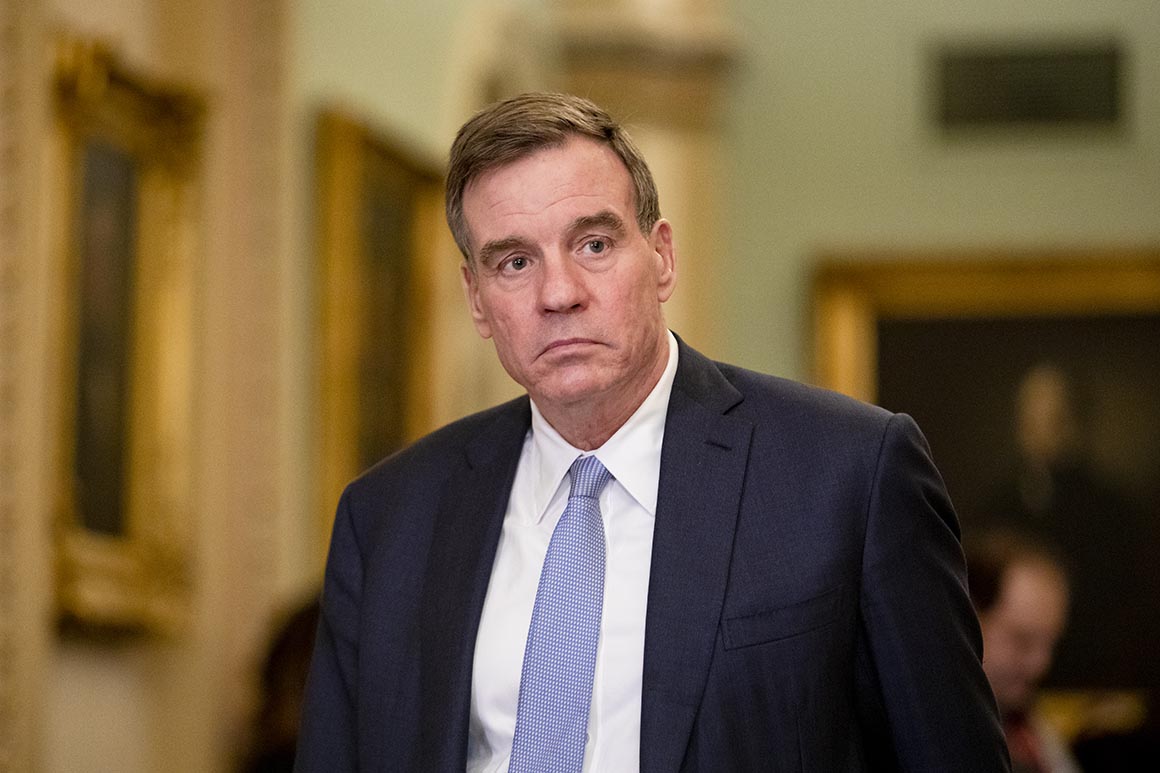
A new investigation led by senior U.S. lawmakers is putting the spotlight on potential insider trading within government ranks, as concerns mount over suspicious market activity occurring just before major policy announcements. Senators Mark Warner and Adam Schiff have formally requested federal oversight bodies to examine whether sensitive, nonpublic information is being misused for financial gain.
In a letter sent to the Securities and Exchange Commission (SEC) and the Department of Defense inspector general, the senators pointed to a pattern of large and strategically timed investments in equities and derivatives ahead of key government decisions. These include developments tied to geopolitical tensions in the Middle East and sweeping tariff measures that have historically triggered sharp market reactions.
The lawmakers emphasized that such trading patterns—if proven to involve privileged information—could represent a serious breach of public trust. They warned that even the perception of uneven access to market-moving information risks undermining the credibility of U.S. financial markets, which rely heavily on transparency and fairness.
Recent reports have highlighted cases where investors appeared to build substantial positions shortly before announcements that significantly impacted defense, energy, and global trade sectors. In one instance drawing particular scrutiny, a broker reportedly linked to Defense Secretary Pete Hegseth explored a multimillion-dollar investment in a defense-focused exchange-traded fund weeks before escalating military action involving Iran. Such timing has raised red flags about whether confidential government insights may have influenced investment decisions.
Warner, who serves as the top Democrat on the Senate Intelligence Committee, and Schiff noted that any connection between defense officials and potentially informed trading activity could have far-reaching implications beyond financial markets. They stressed that national security concerns are intertwined with market integrity, particularly when defense-related information is involved.
The senators outlined a series of questions directed at regulators and oversight agencies, seeking clarity on whether formal investigations will be launched into recent trading activity. They also requested details on the surveillance tools currently used to detect abnormal trading patterns, as well as any gaps that may exist in monitoring systems designed to flag potential insider activity.
Another key area of focus is enforcement. The lawmakers are pressing for a clearer understanding of what safeguards are in place to prevent federal employees and affiliated individuals from accessing or disseminating material nonpublic information for personal benefit. They also want to know how effectively existing rules are being enforced in practice.
Market experts note that the timing of this probe is particularly significant. Financial markets have become increasingly sensitive to policy signals, with even minor government announcements capable of triggering billions of dollars in market movements. In such an environment, access to early or exclusive information—even by a few hours—can generate outsized profits.
The rise of sophisticated trading strategies, including the use of derivatives and algorithmic systems, has further amplified the potential impact of insider knowledge. Large positions in options or leveraged instruments can deliver exponential returns if timed correctly, making the misuse of privileged information even more lucrative—and more difficult to detect.
Adding to the complexity is the growing overlap between financial markets and geopolitical developments. Defense spending, energy prices, and global supply chains are all directly influenced by policy decisions, meaning that information originating within government agencies can have immediate and measurable effects on asset prices.
The Defense Department’s inspector general office has acknowledged receipt of the lawmakers’ letter but has not provided further comment, indicating that the matter is under review. Meanwhile, the SEC is expected to evaluate whether recent trading patterns warrant deeper investigation under existing securities laws.
As scrutiny intensifies, the outcome of this probe could have lasting implications for both regulatory enforcement and public confidence. If evidence of insider trading emerges, it may prompt stricter oversight mechanisms and potentially new legislation aimed at closing loopholes in how sensitive information is handled within government institutions.
For now, the investigation underscores a broader concern: in an era where information moves markets at unprecedented speed, ensuring a level playing field is more critical than ever.
.webp)
Popular articles



Subscribe to unlock premium content
The Hidden World of Ultra-Rare Seaweed Farming

Riding Waves and Wealth in Bali

The Market for Renting Private Libraries Where Only Rare, Unpublished Manuscripts Exist

The Hidden World of Ultra-Rare Seaweed Farming
Riding Waves and Wealth in Bali
The Hidden World of Ultra-Rare Seaweed Farming