Kremlin Criticizes European and Ukrainian Tweaks to U.S. Peace Proposals

Kremlin Criticizes European and Ukrainian Tweaks to U.S. Peace Proposals
By
Calder Monroe
Last updated:
December 22, 2025
First Published:
December 22, 2025

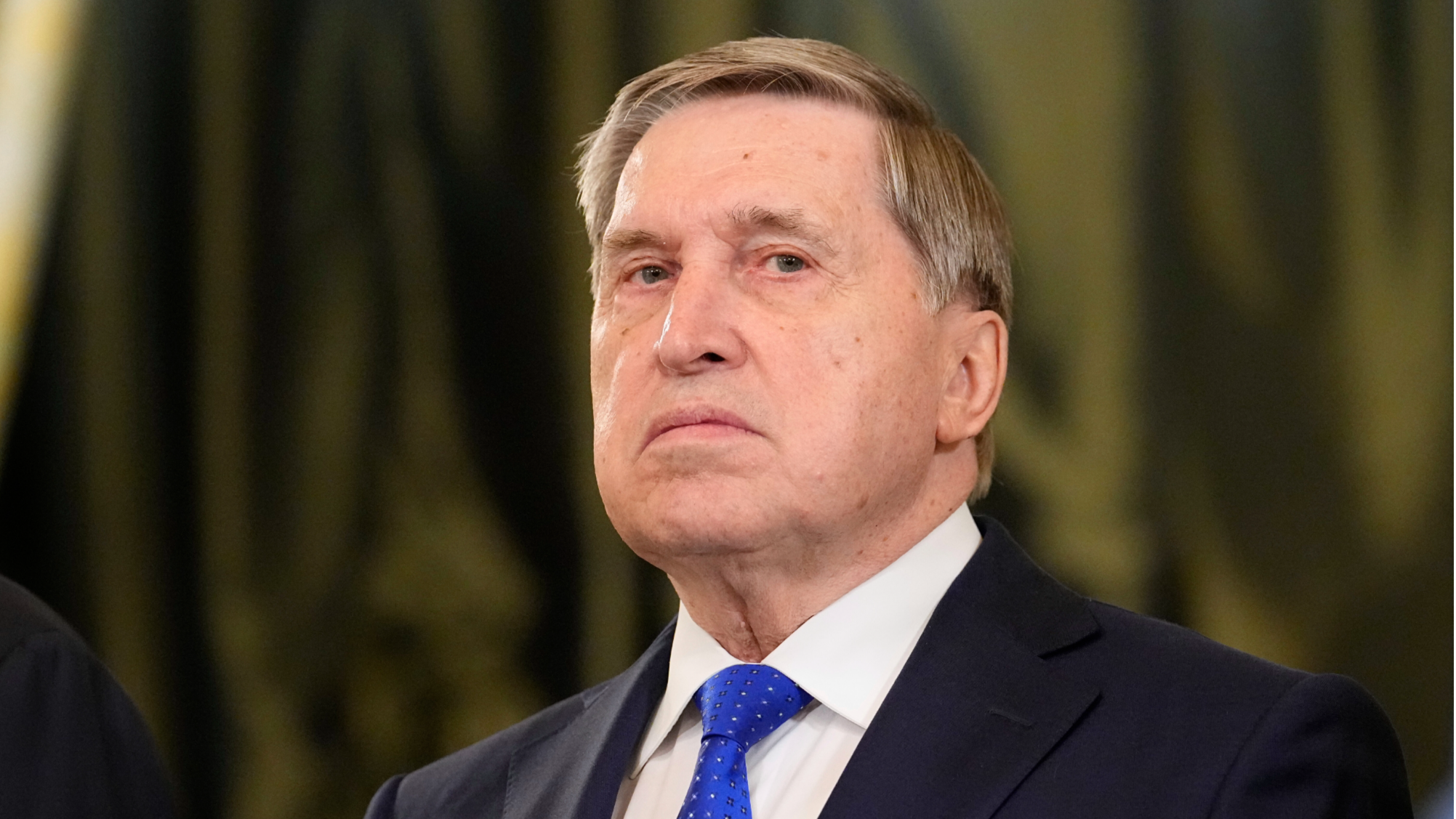
Photo: China Daily
The Kremlin has dismissed recent changes made by European and Ukrainian negotiators to a U.S.-drafted peace proposal, saying the adjustments “do not improve the document or increase the chances of achieving long-term peace” in the nearly four-year-old war in Ukraine. Russian President Vladimir Putin’s top foreign policy aide expressed skepticism over the latest developments, signaling continued friction in efforts to broker an end to the conflict.
Background on U.S.-Drafted Proposals
Last month, a set of peace proposals drafted by the United States surfaced in the media, raising concerns among European and Ukrainian officials that the terms were skewed in Russia’s favor. Analysts noted that the proposals could have pressured Kyiv into conceding significant ground, potentially undermining Ukraine’s territorial integrity.
Since the leak, European and Ukrainian negotiators have met with U.S. envoys in an effort to revise the draft and introduce additional safeguards for Ukraine. However, the exact content of the updated proposals has not been publicly disclosed. Kremlin aide Yuri Ushakov told reporters in Moscow that these revisions were unlikely to meaningfully improve the prospects for a sustainable agreement.
Moscow’s Response
Ushakov clarified that his remarks were not a formal forecast, noting that he had not reviewed the revised proposals in detail. “I am certain that the suggestions made by the Europeans and Ukrainians do not strengthen the document or enhance the likelihood of lasting peace,” he said.
The comments came after Putin’s special envoy, Kirill Dmitriev, met in Florida with U.S. officials, including special envoy Steve Witkoff and former presidential adviser Jared Kushner. These discussions follow separate talks in Washington with Ukrainian and European representatives, highlighting the complex multi-party negotiations at play.
Ukraine’s Position and Proposed Talks
Ukrainian President Volodymyr Zelenskiy expressed tentative support for U.S.-led three-way discussions involving Ukraine, Russia, and the United States, emphasizing that such talks could facilitate prisoner exchanges and pave the way for high-level diplomatic engagement. Despite this, Ushakov said that no serious deliberation on three-way talks had occurred, reflecting Moscow’s cautious approach.
European leaders have been pushing for conditions that Russia finds unacceptable, arguing that concessions could set a dangerous precedent for Russian territorial ambitions. In 2025 alone, Russian forces reportedly seized between 12 and 17 square kilometers of Ukrainian territory per day, further fueling tensions over the conflict’s resolution.
Historical Context and Geopolitical Implications
The war in Ukraine, which began in February 2022 after Moscow launched a full-scale invasion, represents the deadliest confrontation in Europe since World War Two. Putin frames the conflict as a defining moment in relations with the West, citing NATO expansion and Western influence in former Soviet states as provocations.
For Europe and the United States, the stakes extend beyond the immediate conflict, encompassing questions of territorial sovereignty, international law, and the broader balance of power in Eastern Europe. Analysts warn that continued stalemate in negotiations could prolong the war, with devastating humanitarian and economic consequences for Ukraine and ongoing geopolitical instability for the region.

Popular articles


Subscribe to unlock premium content
The New Wave of Superyacht Ownership

Micro-Experience Convenience Stores Are Reinventing Quick Stops

Custom Vans for Digital Nomads Redefine Mobility

The New Wave of Superyacht Ownership
Micro-Experience Convenience Stores Are Reinventing Quick Stops
The New Wave of Superyacht Ownership