Kevin Warsh’s Fed Bid Faces Scrutiny Over Wealth Transparency and Ethics Concerns

Kevin Warsh’s Fed Bid Faces Scrutiny Over Wealth Transparency and Ethics Concerns
By
Augusta Parker
Last updated:
April 17, 2026
First Published:
April 17, 2026

Getty Images
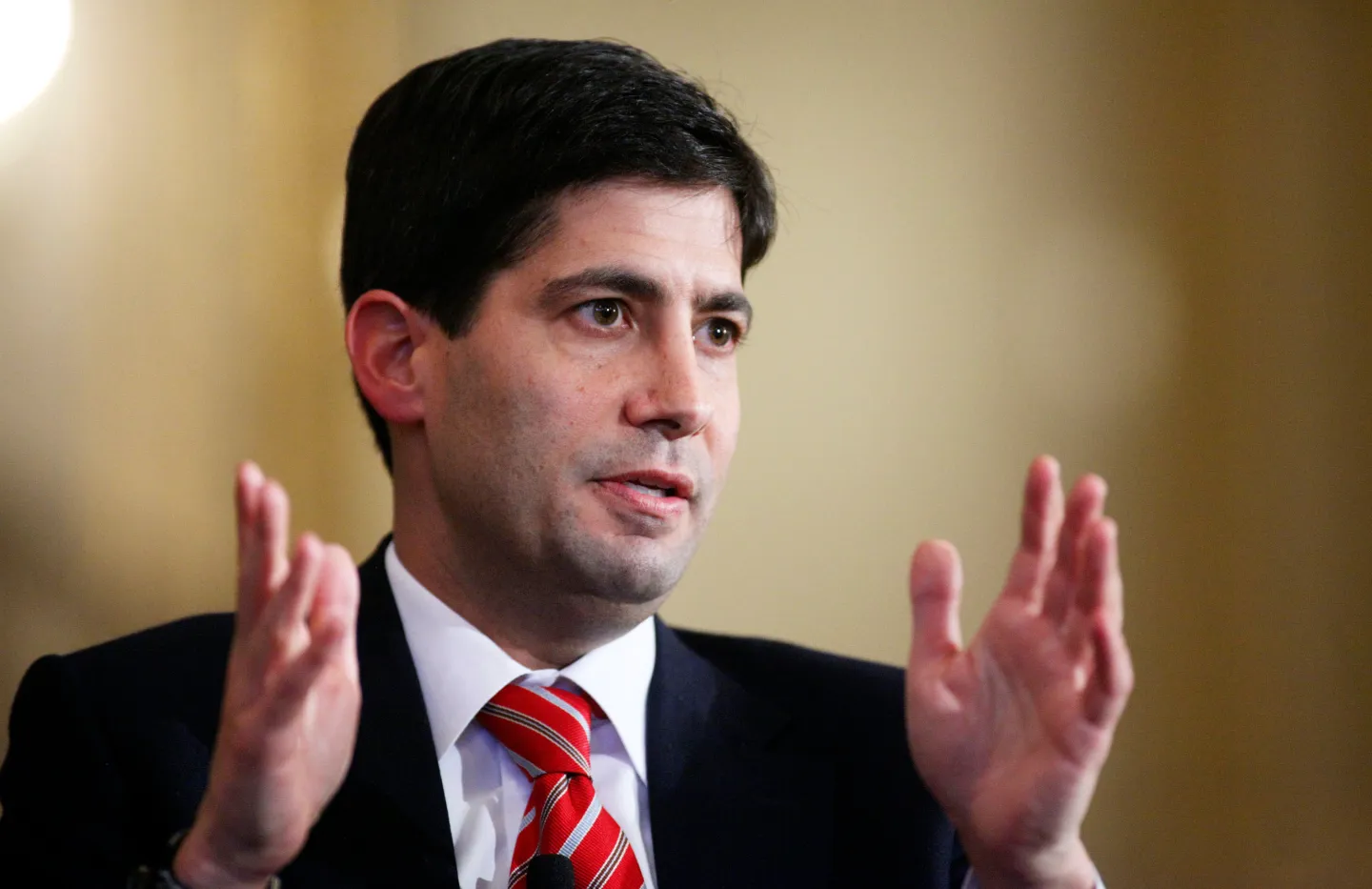
Kevin Warsh’s bid to lead the Federal Reserve is drawing intense scrutiny as newly released financial disclosures reveal both the scale of his wealth and significant gaps in transparency. While the filings confirm that Warsh controls assets worth between $135 million and $226 million, questions are mounting over portions of his portfolio that remain undisclosed due to confidentiality agreements.
The controversy comes at a sensitive moment for the Federal Reserve, which is still working to rebuild trust after a series of ethics-related issues in recent years. Warsh’s ability to address these concerns may prove decisive in determining whether the central bank can move past its credibility challenges.
Hidden Assets Raise Transparency Questions
At the center of the debate are investment holdings tied to private funds, including two assets each valued at over $50 million. These investments are associated with the Juggernaut Fund, linked to Duquesne Family Office, the firm run by billionaire investor Stanley Druckenmiller, where Warsh has worked since leaving the Fed more than a decade ago.
However, the disclosures stop short of identifying the underlying assets within these funds. Warsh cited pre-existing confidentiality agreements as the reason for withholding this information, a move that has triggered criticism from lawmakers and ethics experts.
Senator Elizabeth Warren, a vocal opponent of the nomination, argued that failing to disclose more than $100 million in assets makes it difficult to assess potential conflicts of interest. Ethics officials have also noted that Warsh is currently not in full compliance with disclosure requirements due to these omissions.
Compliance Timeline and Divestment Plan
In response, Warsh has committed to divesting the undisclosed holdings within 90 days if confirmed. According to a government ethics review, completing this process would bring him back into compliance with federal rules.
Still, the situation is highly unusual. Congressional aides have indicated that this marks the first time a Federal Reserve chair nominee has entered the confirmation process without fully meeting ethics disclosure standards. This distinction adds further complexity to an already closely watched nomination.
Independent ethics observers have also raised concerns about whether a thorough vetting process is possible without full visibility into such a large portion of a nominee’s wealth. The lack of detail, they argue, complicates efforts to verify both compliance and the effectiveness of any future divestment.
Fed’s Ongoing Struggle With Ethics Oversight
The issue of financial disclosures has become increasingly important within the Federal Reserve system. Since 2018, under Chair Jerome Powell, the central bank has faced criticism over trading activities by senior officials. These controversies led to sweeping reforms in 2022, including a ban on individual stock ownership, cryptocurrencies, and certain other investments for top policymakers.
The stricter rules were designed to restore public confidence, but enforcement has not been without challenges. In one notable case, Fed Governor Adriana Kugler stepped down after issues related to prohibited holdings, highlighting the high stakes surrounding compliance.
Warsh’s nomination now arrives against this backdrop, amplifying the importance of transparency and ethical rigor.
Political and Market Implications
Warsh is seeking to fill a key leadership role at a time when the Federal Reserve is navigating persistent inflation pressures, interest rate uncertainty, and global economic volatility. Any concerns about conflicts of interest or incomplete disclosures could influence both the Senate confirmation process and broader market sentiment.
With a confirmation hearing scheduled in the coming days, lawmakers are expected to press Warsh on the specifics of his financial holdings, his divestment strategy, and how he plans to uphold the Fed’s ethical standards.
For investors and policymakers alike, the outcome of this nomination carries significant weight. Beyond leadership, it will signal how seriously the Federal Reserve intends to enforce transparency and accountability at the highest levels.
.webp)
Popular articles



Subscribe to unlock premium content
How a Small Italian Leather Workshop Became a Favorite Among Luxury Designers

Why Collecting Rare Artisanal Teas Has Become a Multi-Million-Dollar Hobby

Switzerland’s Secret to Exceptional Peacefulness
How a Small Italian Leather Workshop Became a Favorite Among Luxury Designers
Why Collecting Rare Artisanal Teas Has Become a Multi-Million-Dollar Hobby
How a Small Italian Leather Workshop Became a Favorite Among Luxury Designers