Judge Upholds $243M Verdict Against Tesla in Fatal Autopilot Crash Case

Judge Upholds $243M Verdict Against Tesla in Fatal Autopilot Crash Case
By
Junia Wells
Last updated:
February 21, 2026
First Published:
February 21, 2026

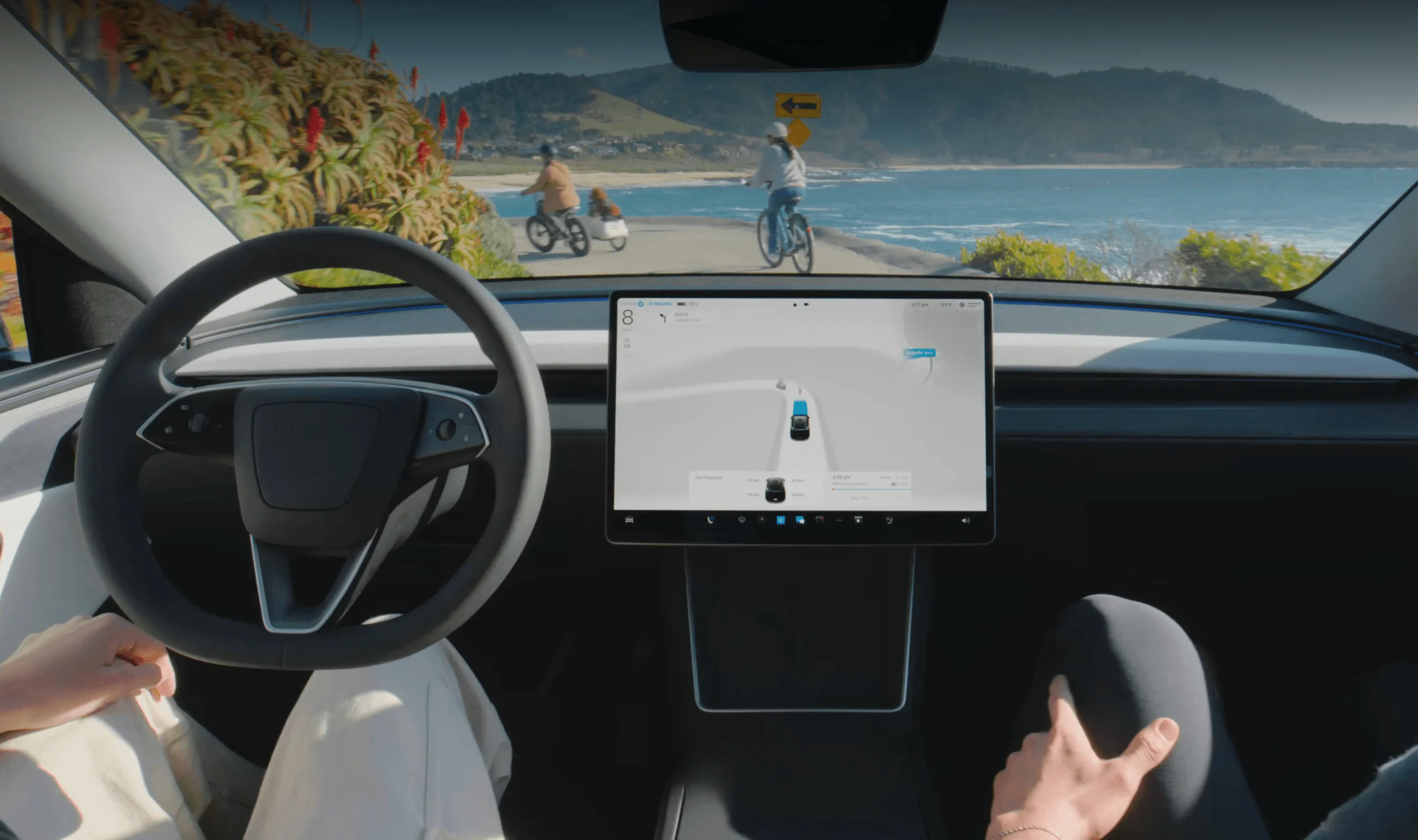
Photo: Technobezz
A federal judge in Miami has reaffirmed a $243 million jury award against Tesla, rejecting the company’s attempt to overturn the verdict tied to a fatal 2019 crash involving its Autopilot driver-assistance technology. The ruling keeps one of the largest legal penalties related to advanced driver-assistance systems firmly in place and underscores growing judicial scrutiny around how such technologies are marketed and used.
The Court’s Decision
U.S. District Judge Beth Bloom ruled that the evidence presented during the trial sufficiently supported the jury’s findings and did not justify a retrial or a reduction in damages.
In her written order, she concluded that the legal record showed no significant procedural or evidentiary errors, effectively shutting down Tesla’s bid to revisit the case. The decision preserves both compensatory and punitive damages awarded to the victims.
What Happened in the 2019 Crash
The case stems from a May 2019 collision in Key Largo, Florida, when a Tesla Model S operating with Enhanced Autopilot engaged struck pedestrians near an intersection.
Key facts established at trial included:
- The vehicle was traveling slightly above 60 mph at the moment of impact.
- The driver, George McGee, testified he briefly diverted attention to retrieve a dropped phone, expecting the system to detect hazards and brake.
- Instead, the car continued forward, hitting a parked vehicle and then the victims standing nearby.
The crash killed 22-year-old Naibel Benavides and left Dillon Angulo with life-altering injuries, including multiple fractures and long-term medical complications, according to testimony presented during proceedings.
Breakdown of the Financial Penalty
The jury’s total award of $243 million included:
- $129 million in compensatory damages for economic losses, medical costs, and emotional suffering
- $114 million in punitive damages intended to penalize conduct deemed reckless and to deter similar behavior
Tesla had argued the compensatory portion should be reduced to about $69 million, which would have significantly lowered the company’s total liability. It also sought to cap or eliminate punitive damages under Florida statutes, but the court rejected those arguments.
Legal Arguments and Industry Implications
Plaintiffs’ attorneys maintained that Tesla’s branding and messaging around Autopilot contributed to driver overreliance, a central theme in the case. The jury ultimately determined the automaker shared responsibility alongside the driver.
The ruling adds to a growing body of litigation examining how semi-autonomous systems are marketed and the extent to which manufacturers must anticipate misuse. Legal analysts say the decision could influence future product-liability standards for advanced driver-assistance technologies across the U.S.
Competitive Pressure in Autonomous Driving
The decision arrives as CEO Elon Musk continues to push Tesla toward fully autonomous mobility and a large-scale robotaxi rollout.
However, the company still trails established autonomous ride-hailing operators:
- Waymo, owned by Alphabet, runs commercial driverless services in multiple U.S. cities.
- China’s Baidu operates its Apollo Go platform with thousands of rides daily in several urban markets.
Tesla has stated it aims for a broader U.S. robotaxi network by 2026, though large-scale fully driverless operations are not yet widely available.
Why This Case Matters
This ruling reinforces several broader trends:
- Courts are increasingly willing to scrutinize human-machine interaction risks in partially automated vehicles.
- Large punitive awards signal rising legal exposure for companies deploying emerging mobility tech.
- The outcome may shape how automakers communicate limitations of driver-assistance features moving forward.
For Tesla, the decision represents both a financial hit and a reputational challenge at a time when investor focus is heavily tied to its autonomous driving ambitions.

Popular articles


Subscribe to unlock premium content
Green Tech Rising in Central and Eastern Europe
Urban Logistics Real Estate Takes Center Stage
Automation Takes Over Europe
Green Tech Rising in Central and Eastern Europe
Urban Logistics Real Estate Takes Center Stage
Green Tech Rising in Central and Eastern Europe