
JD.com Enters Europe’s E Commerce Battlefield With Joybuy Launch

JD.com Enters Europe’s E Commerce Battlefield With Joybuy Launch
By
Augusta Parker
Last updated:
March 16, 2026
First Published:
April 25, 2026

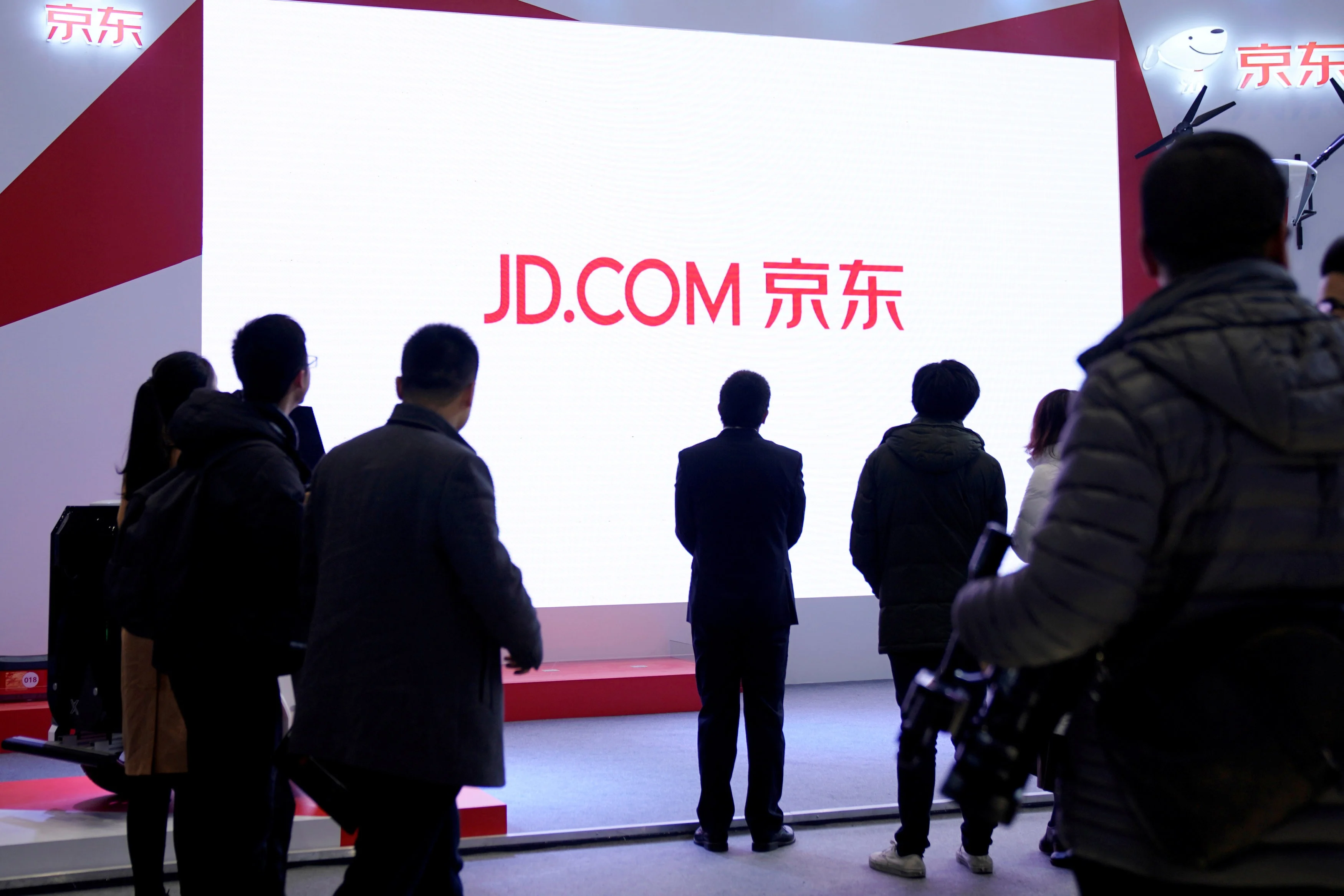
Photo: South China Morning Post
Chinese technology and retail powerhouse JD.com has officially launched its long awaited European e commerce platform, marking a major step in the company’s international expansion strategy. The new platform, branded as Joybuy, began operations on Monday and is debuting across six European markets including the United Kingdom and Germany.
The move signals JD.com’s ambition to compete directly with dominant global players such as Amazon while also challenging fellow Chinese platforms that have already gained traction overseas. By combining fast local delivery with brand partnerships and owned inventory, JD.com is attempting to differentiate its strategy from competitors that rely heavily on marketplace models.
The European push comes at a time when Chinese technology companies are increasingly looking beyond their domestic market for growth, particularly as competition intensifies and consumer spending slows at home.
A New Challenger in Europe’s Massive E Commerce Market
Europe represents one of the largest and most lucrative e commerce regions in the world. Online retail sales across the continent are estimated to exceed $700 billion annually, with markets such as the United Kingdom, Germany, and France leading digital commerce adoption.
Amazon currently dominates much of this landscape, operating extensive fulfillment networks and subscription services across Europe. At the same time, Chinese platforms including AliExpress and Temu have gained popularity by offering extremely low priced goods shipped directly from Chinese manufacturers.
JD.com’s new platform aims to carve out a different niche by focusing on reliability, premium brands, and significantly faster delivery times.
Joybuy is launching simultaneously in six European countries, with the United Kingdom positioned as a key entry market. The company believes that combining high quality global brands with efficient logistics will allow it to compete against both Western and Chinese rivals.
Logistics Driven Strategy Sets JD.com Apart
Unlike many international e commerce platforms that operate primarily as marketplaces connecting buyers and third party sellers, JD.com has built its reputation around owning and controlling much of its supply chain.
The company operates one of the most advanced logistics networks in China, with hundreds of warehouses, automated fulfillment centers, and a delivery infrastructure capable of processing millions of packages daily.
That logistics expertise is now being extended to Europe.
Joybuy relies on locally operated warehouses and distribution centers, allowing the platform to shorten delivery times compared with competitors that ship most goods directly from China.
Customers in certain areas can receive same day delivery for orders placed before 11 a.m., a service designed to rival Amazon’s rapid fulfillment capabilities. In the United Kingdom, orders above £29 qualify for free same day delivery, a pricing strategy intended to attract early adopters.
The platform is also introducing a membership program called JoyPlus, which costs £3.99 per month and provides unlimited free deliveries. The price is significantly lower than Amazon Prime in the U.K., which currently costs £8.99 per month.
This membership model could help JD.com build long term customer loyalty while encouraging frequent purchases.
Brand Partnerships at the Core of Joybuy’s Marketplace
Another key feature of the new platform is its focus on official brand stores. Instead of primarily relying on third party merchants selling generic goods, Joybuy is building partnerships with well known international brands.
Companies such as L’Oréal Paris and De’Longhi are among the first to establish dedicated storefronts within the platform. These branded spaces allow companies to showcase verified products directly to consumers, helping address concerns about authenticity that have sometimes affected online marketplaces.
JD.com has historically positioned itself as a trusted platform for premium goods in China, hosting official stores for global companies including Apple, Nike, and Samsung. The same approach is now being replicated in Europe to appeal to consumers who prioritize product authenticity and brand reputation.
By controlling inventory and working directly with brands, JD.com also gains greater control over pricing, product availability, and delivery performance.
Competing With Amazon and Chinese Rivals
JD.com’s entry into Europe comes at a time when competition in global e commerce is intensifying rapidly.
Amazon remains the dominant player in most Western markets, supported by its extensive fulfillment infrastructure and Prime membership ecosystem. The company continues to invest billions of dollars annually in logistics, data infrastructure, and artificial intelligence to maintain its competitive advantage.
At the same time, Chinese platforms such as Temu and AliExpress have expanded aggressively in Europe over the past several years. These platforms rely on a marketplace model that connects international consumers directly with Chinese merchants, often offering products at extremely low prices.
However, the asset light approach used by those companies often results in longer shipping times, with deliveries sometimes taking one to two weeks or more.
JD.com is betting that many European consumers are willing to pay slightly higher prices in exchange for faster delivery, reliable customer service, and authentic branded goods.
Gradual Expansion Across Europe
Joybuy has already spent more than six months in a testing phase, quietly operating in beta mode to refine logistics systems, inventory management, and customer experience.
Now that the full launch has begun, JD.com plans to expand its warehouse footprint across Europe in stages. The company intends to gradually increase storage capacity and distribution centers to support faster delivery coverage across more cities and regions.
Initially, same day delivery will only be available in selected urban areas where logistics infrastructure has already been established. However, JD.com aims to expand the service over time as additional fulfillment hubs come online.
This incremental expansion strategy mirrors the approach the company used in China, where years of investment in logistics eventually enabled ultra fast delivery speeds that became a major competitive advantage.
A Broader Global Expansion Strategy
JD.com’s European launch reflects a broader shift among Chinese technology giants toward global growth. With China’s domestic e commerce market becoming increasingly saturated, many companies are seeking new revenue opportunities abroad.
International expansion also allows these companies to diversify risk as regulatory changes and economic conditions fluctuate in their home market.
For JD.com, Europe offers a particularly attractive opportunity due to its high internet penetration, large consumer base, and strong demand for cross border products.
If Joybuy succeeds in gaining traction, it could eventually expand into additional European countries and potentially other international regions.
The Next Phase of Global E Commerce Competition
JD.com’s arrival in Europe highlights the growing globalization of online retail. As logistics technology improves and cross border trade becomes more efficient, e commerce companies are increasingly competing far beyond their home markets.
For European consumers, the result is likely to be greater competition, faster delivery services, and a wider selection of products.
For the global retail industry, however, it represents the start of a new phase of competition where technology, logistics infrastructure, and supply chain control may determine which companies dominate the next decade of online commerce.
.webp)
Popular articles



Subscribe to unlock premium content
How Finland Uses Ice Swimming Festivals to Boost Winter Tourism and Local Economies

The Boom of Luxury Personal Libraries Renting Rare Books to the Ultra-Wealthy

Why Bhutan’s Hand-Woven Textiles Are Gaining Global Collector Value

How Finland Uses Ice Swimming Festivals to Boost Winter Tourism and Local Economies
The Boom of Luxury Personal Libraries Renting Rare Books to the Ultra-Wealthy
How Finland Uses Ice Swimming Festivals to Boost Winter Tourism and Local Economies


