Japanese Corporate Optimism Peaks Despite Iran Conflict, Risks Loom

Japanese Corporate Optimism Peaks Despite Iran Conflict, Risks Loom
By
Augusta Parker
Last updated:
April 2, 2026
First Published:
April 2, 2026

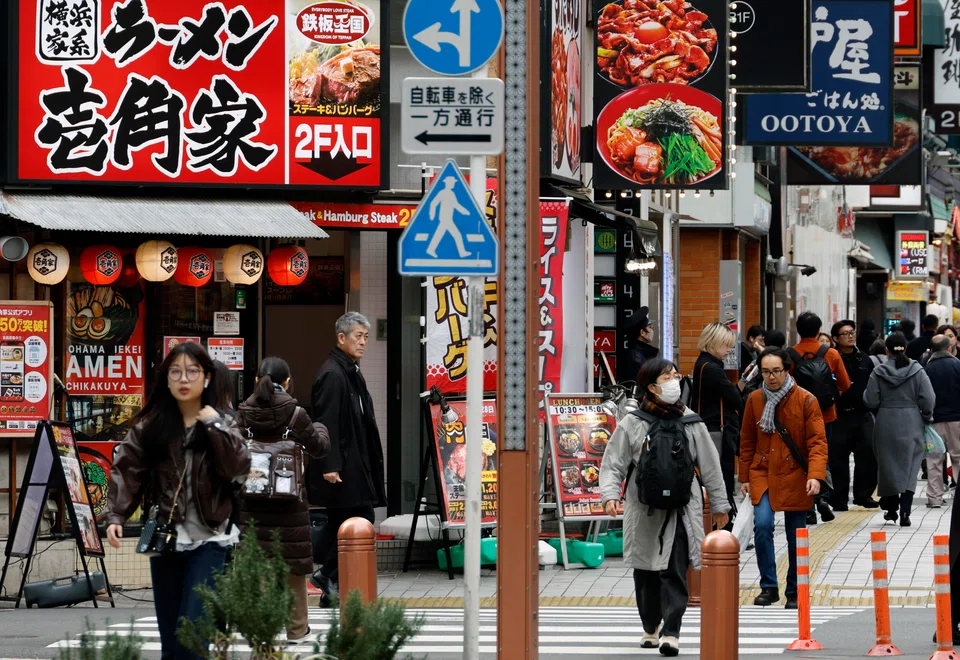
Photoi: The Business Times
Large Japanese manufacturers reported a surge in business optimism in the first quarter of 2026, marking the highest level in over four years. According to the Bank of Japan’s quarterly Tankan survey, the index for business sentiment among large manufacturers rose to 17, up from 15 in the previous quarter and slightly above economists’ forecast of 16. A positive reading indicates that optimists outnumber pessimists, signaling confidence despite looming geopolitical tensions.
Large non-manufacturers maintained a strong sentiment index of 36, holding at a multi-decade high, defying expectations of 33. Analysts attribute this optimism to solid corporate profits and strong economic momentum, supported by a rebound in exports in January and February. The Nikkei 225 responded positively, rising 4.48% following the release of the data.
Energy Costs and Geopolitical Risks
Despite upbeat survey results, economists caution that the Tankan data may understate the impact of the Iran war. The survey period ended in March, before the full escalation of the conflict in the Strait of Hormuz—a critical shipping route for global oil. Japan imports over 87% of its energy needs, making the country particularly sensitive to disruptions.
HSBC’s chief Asia economist Frederic Neumann noted that while corporate momentum is strong, the outlook is increasingly uncertain. “Every day that the Strait of Hormuz remains closed compounds the challenge of soaring energy costs and supply chain disruptions,” he said. Rising crude prices could further strain Japanese companies, with a 10% increase in oil potentially lifting consumer inflation by 0.3 percentage points over the next year.
Corporate Sentiment May Face Headwinds
Oxford Economics’ lead Japan economist Norihiro Yamaguchi warned that the escalation in energy costs could dampen corporate confidence in the coming months. Higher oil prices worsen the terms of trade—the ratio of export prices to import costs—putting pressure on profit margins, particularly for energy-intensive industries.
Japan has responded with strategic measures, including releasing oil from national stockpiles and providing fuel subsidies to mitigate the worst effects of the energy shock. However, analysts remain cautious that these interventions may only partially shield businesses from the broader economic impact of sustained geopolitical instability.
Looking Ahead
While current sentiment reflects strong fundamentals, corporate optimism in Japan faces potential volatility as energy costs rise and supply chain pressures persist. Investors and policymakers will be closely monitoring how the conflict in the Middle East unfolds, with the risk that gains in the stock market and business confidence could be temporary if oil prices remain elevated and supply disruptions continue.
Large Japanese companies, therefore, remain cautiously optimistic—but with clear headwinds that could reshape corporate expectations in the coming quarters.
.webp)
Popular articles



Subscribe to unlock premium content
The Rise of Micro-Cruises Offering Boutique Cultural Experiences in the Mediterranean

Iceland’s Adventure Lodges Are Redefining Remote Work

Inside London’s Private Wealth Advisory Firms Catering to Millennial Investors

The Rise of Micro-Cruises Offering Boutique Cultural Experiences in the Mediterranean
Iceland’s Adventure Lodges Are Redefining Remote Work
The Rise of Micro-Cruises Offering Boutique Cultural Experiences in the Mediterranean